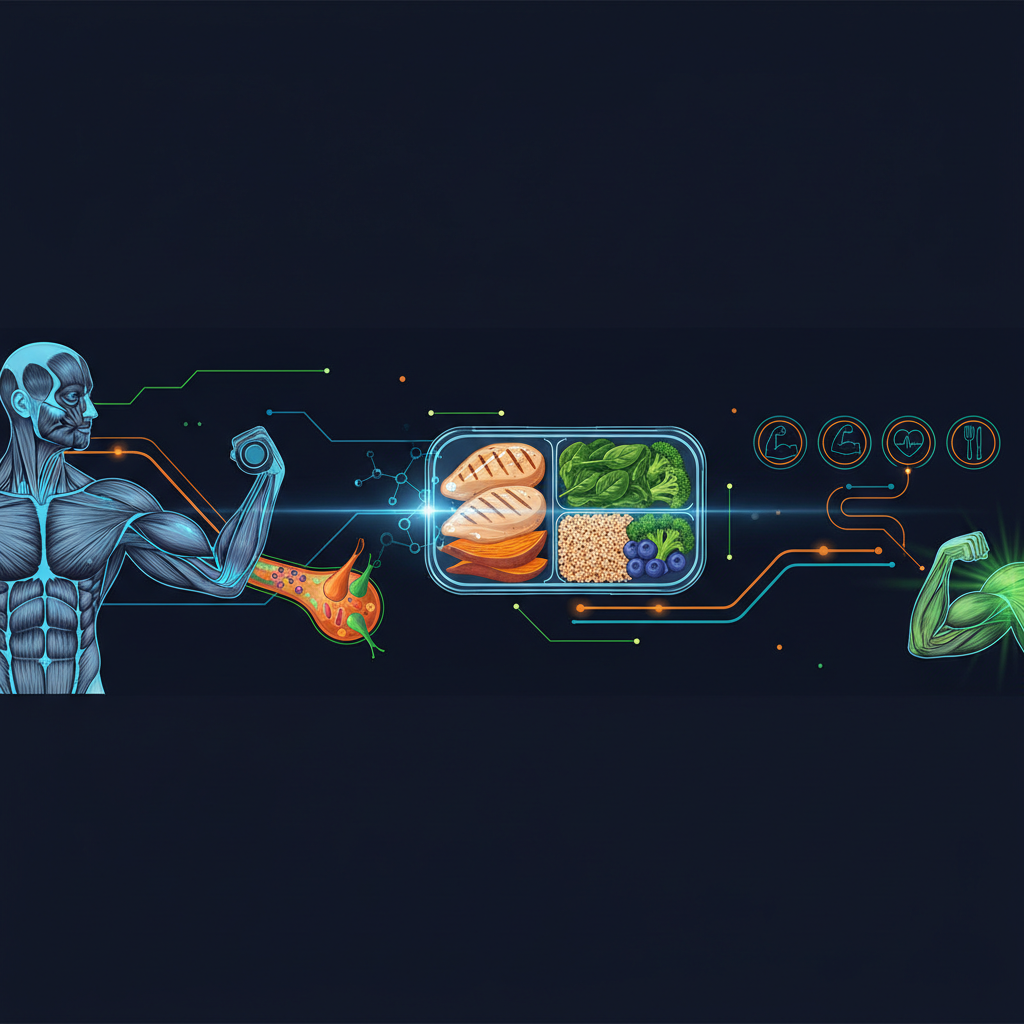
Unlock Your Potential: The Power of Meal Prep for Muscle Recovery
Building muscle and achieving peak fitness isn't just about crushing it in the gym; it's equally about what happens after your workout. Proper nutrition and recovery are the cornerstones of muscle growth, and healthy meal prep for muscle recovery is your secret weapon. This guide, drawing from NASM CPT protocols and Precision Nutrition principles, will equip you to fuel your body for optimal repair and growth.
Why Muscle Recovery Matters (The Science Bit)
When you engage in resistance training, you create microscopic tears in your muscle fibers. This is a necessary stress that signals your body to adapt and rebuild stronger. However, without adequate nutrition and rest, this repair process is compromised, leading to:
- Slower muscle growth: Your body can't efficiently synthesize new muscle tissue.
- Increased risk of injury: Overtrained and under-repaired muscles are more susceptible to strains and sprains.
- Fatigue and decreased performance: Your energy levels dip, making future workouts less effective.
The NASM-CPT Approach: Training Principles for Recovery
The National Academy of Sports Medicine (NASM) emphasizes a holistic approach to fitness, where training and recovery are intrinsically linked. Key principles relevant to muscle recovery include:
1. Progressive Overload & The OPT Model
The foundation of any successful training program is progressive overload – gradually increasing the demands placed on your body. The NASM Optimum Performance Training (OPT) model structures this progression into phases (Stabilization, Strength, Power). Each phase presents different stresses, and your recovery nutrition must adapt accordingly. After a demanding strength or power phase, your body requires more fuel and specific nutrients to repair the more significant muscle damage.
2. Periodization
Varying your training intensity and volume over time (periodization) is crucial for preventing overtraining. When planning your own meal prep, consider your training cycle. High-intensity or high-volume training weeks demand more robust nutritional support than lower-intensity recovery weeks.
3. Listen to Your Body
NASM stresses the importance of autoregulation – adjusting your training based on how you feel. This extends to nutrition. If you're feeling particularly sore or fatigued, your meal prep should prioritize easily digestible, nutrient-dense foods rich in recovery-promoting compounds.
Healthy Meal Prep for Muscle Recovery: Your Nutrition Blueprint
This is where Precision Nutrition's practical approach shines. Forget calorie counting gymnastics; focus on fueling your body with whole, unprocessed foods.
The Precision Nutrition Hand-Portion Method: A Simple Guide
This visual technique makes portion control intuitive and requires no measuring tools. For a balanced meal focused on muscle recovery, aim for:
- Protein: One palm-sized portion. This is crucial for muscle protein synthesis.
- Vegetables: Two cupped-hand portions. Packed with micronutrients, fiber, and antioxidants to combat exercise-induced inflammation.
- Carbohydrates: One to two fist-sized portions (depending on activity level). Replenish glycogen stores depleted during training.
- Fats: One thumb-sized portion. Essential for hormone production and reducing inflammation.
Key Macronutrients for Recovery:
Protein Powerhouse:
Get your free Day 1 workout — no card required.
Meet Andy — get your free Day 1 workoutMuscle repair requires protein. Aim to include a quality protein source in every meal and snack.
- Lean Meats: Chicken breast, turkey, lean beef, fish (salmon, tuna).
- Plant-Based: Lentils, beans, tofu, tempeh, edamame.
- Dairy/Eggs: Greek yogurt, cottage cheese, eggs.
Carbohydrate Replenishment:
Carbs are not the enemy! They provide the energy needed for intense workouts and replenish muscle glycogen stores. Focus on complex carbohydrates for sustained energy.
- Whole Grains: Oats, quinoa, brown rice, whole-wheat pasta.
- Starchy Vegetables: Sweet potatoes, potatoes, butternut squash.
- Fruits: Berries, bananas, apples (great for pre/post-workout).
Healthy Fats for Inflammation Control:
Healthy fats help manage inflammation and support overall health.
- Avocado: Creamy and versatile.
- Nuts & Seeds: Almonds, walnuts, chia seeds, flaxseeds.
- Oily Fish: Salmon, mackerel, sardines.
- Olive Oil: For cooking and dressings.
Micronutrients & Antioxidants: Fighting Inflammation
Intense exercise generates oxidative stress. Antioxidant-rich foods combat this, aiding recovery.
- Berries: Blueberries, strawberries, raspberries.
- Leafy Greens: Spinach, kale, Swiss chard.
- Colorful Vegetables: Bell peppers, broccoli, carrots.
- Spices: Turmeric, ginger.
Sample Meal Prep Ideas for Muscle Recovery:
Meal 1: Post-Workout Power Bowl
- Protein: Grilled chicken breast or salmon (palm-sized)
- Carbs: Quinoa or sweet potato mash (fist-sized)
- Veggies: Steamed broccoli and roasted bell peppers (two cupped hands)
- Fats: Drizzle of olive oil or a sprinkle of almonds (thumb-sized)
Meal 2: Overnight Oats (Breakfast/Snack)
- Base: Rolled oats (fist-sized portion dry)
- Protein Boost: Scoop of protein powder or Greek yogurt
- Fats/Fiber: Chia seeds or chopped walnuts (thumb-sized)
- Flavor/Antioxidants: Mixed berries or banana slices
Meal 3: Lentil & Veggie Stew (Plant-Based)
- Protein/Carbs: Lentils (generous portion, count as protein & carb)
- Veggies: Carrots, celery, spinach, tomatoes (two cupped hands)
- Fats: Olive oil used in cooking (thumb-sized)
Hydration is Key: Don't forget water! Proper hydration is essential for nutrient transport and overall bodily function. Aim for pale yellow urine throughout the day.
Putting It All Together: Your Meal Prep Strategy
- Plan Your Week: Based on your training schedule (referencing your OPT phase), decide on your meals.
- Create a Grocery List: Stick to whole, unprocessed foods.
- Batch Cook: Dedicate a few hours to cook staples like grains, proteins, and roasted vegetables.
- Portion & Store: Use airtight containers to store individual meals for the week.
- Customize: Adjust portions based on your hunger and energy levels, always keeping the hand-portion guide in mind.
Fueling Forward with FitForge AI
Mastering healthy meal prep for muscle recovery is a game-changer for your fitness journey. It ensures your body has the building blocks it needs to repair, rebuild, and grow stronger after every workout.
Ready to integrate smart training and nutrition strategies seamlessly? Start your FREE trial of FitForge AI today and receive personalized workout plans designed to complement your recovery nutrition!
Tags: meal prep, muscle recovery, nutrition, fitness, NASM CPT, Precision Nutrition
Frequently Asked Questions
What are the most important nutrients for muscle recovery when meal prepping?
For optimal muscle recovery, prioritize lean proteins (complete amino acids), complex carbohydrates (glycogen replenishment), and healthy fats (inflammation modulation). Micronutrients like vitamins and minerals are also crucial for cellular repair and energy production.
How soon after a workout should I consume a recovery meal?
While the 'anabolic window' is longer than once thought, consuming a recovery meal or snack within 1-2 hours post-workout is ideal. This timing helps restock glycogen stores and provides amino acids for muscle protein synthesis, initiating the repair process efficiently.
What are some practical meal prep ideas for muscle recovery?
Effective recovery meal prep includes options like chicken breast with quinoa and roasted vegetables, salmon with sweet potato and asparagus, or lean beef stir-fry with brown rice. Strategically incorporating protein shakes with fruit can also serve as quick, nutrient-dense recovery options.
Can meal prepping for recovery help with fat loss too?
Yes, meal prepping for muscle recovery often aligns well with fat loss goals. By consistently providing your body with balanced, nutrient-dense meals, you can better manage hunger, stabilize blood sugar, and support a higher metabolism, all of which contribute to sustainable fat loss alongside muscle preservation.
Get your free Day 1 workout — no card required.
Meet Andy — get your free Day 1 workout