The Best Post-Workout Meal Ideas for Optimal Recovery and Muscle Growth
Why Your Post-Workout Nutrition Matters
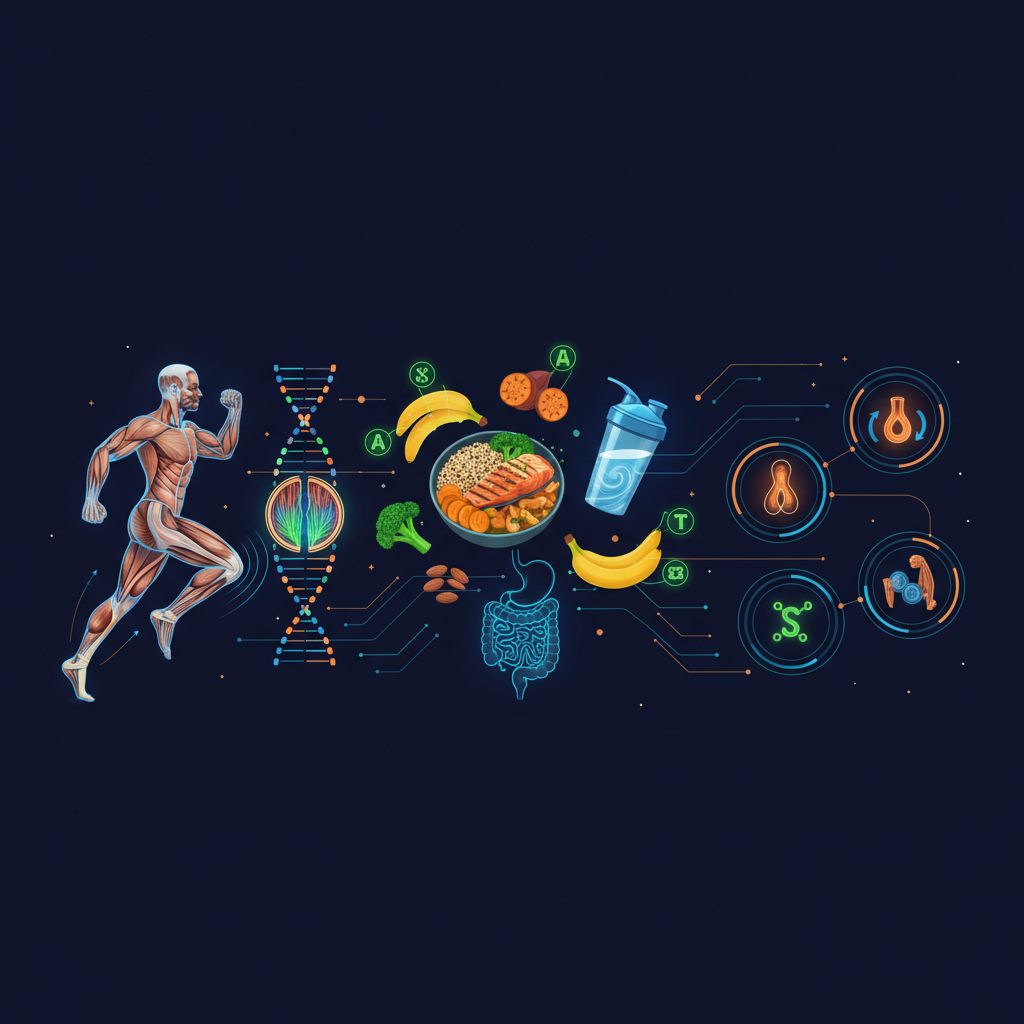
Coach Voris — a NASM-certified personal trainer and Precision Nutrition coach — can't stress enough the importance of post-workout nutrition. The 30-60 minute window after a strenuous workout, often called the "anabolic window," is a critical period for recovery and muscle repair. During this time, your muscles are primed to absorb nutrients, replenishing glycogen stores and initiating protein synthesis. Ignoring this crucial phase can hinder your progress, no matter how effective your training.
Understanding the Science: NASM CPT Principles and Evidence-Based Training
NASM's CPT protocols emphasize a holistic approach to fitness, integrating exercise science with sound nutritional principles. Evidence-based training dictates that for muscle hypertrophy (growth), progressive overload is key, which requires adequate recovery. Post-workout nutrition directly supports this recovery process by:
- Replenishing Glycogen Stores: Exercise depletes muscle glycogen, the primary fuel source for high-intensity activity. Consuming carbohydrates post-workout helps to rapidly refill these stores, preparing you for your next session. Aim for a 3:1 or 4:1 ratio of carbohydrates to protein, particularly after endurance or high-intensity interval training.
- Initiating Muscle Protein Synthesis (MPS): Resistance training causes micro-tears in muscle fibers. Protein provides the amino acids necessary to repair this damage and build new muscle tissue. Consuming protein post-workout stimulates MPS, crucial for muscle growth and repair.
- Reducing Muscle Soreness and Improving Recovery: Proper nutrition can help mitigate delayed onset muscle soreness (DOMS) and speed up the overall recovery process, allowing you to train more consistently and effectively.
What to Eat: The Macronutrient Breakdown
Protein: The Building Blocks
Protein is paramount for muscle repair and growth. Aim for 20-40 grams of high-quality protein within your post-workout meal. Good sources include:
- Lean Meats: Chicken breast, turkey, lean beef
- Fish: Salmon, tuna, cod
- Dairy: Greek yogurt, cottage cheese, whey/casein protein powder
- Plant-Based Options: Tofu, tempeh, lentils, beans, plant-based protein powders (pea, soy, hemp)
Carbohydrates: Replenishing Energy
Carbohydrates are essential for restoring energy levels. Focus on both simple and complex carbs:
- Simple Carbs: Offer quick energy replenishment, ideal for immediately post-workout. Examples include fruits like bananas, berries, and pineapple.
- Complex Carbs: Provide sustained energy release and fiber. Examples include oats, sweet potatoes, quinoa, brown rice, and whole-wheat bread.
Healthy Fats: Inflammation Control and Hormonal Health
While not the immediate priority for post-workout recovery, healthy fats play a role in reducing inflammation and supporting overall hormonal health. Include sources like avocados, nuts, seeds, and olive oil in your overall diet.
The Best Post-Workout Meal Ideas (Practical & Actionable)
Here are some delicious and effective meal and snack ideas, catering to various preferences and dietary needs:
Quick & Easy (<15 minutes prep)
Greek Yogurt with Berries and a Handful of Almonds:
- Why it works: High in protein (yogurt), antioxidants and quick carbs (berries), and healthy fats (almonds).
- NASM CPT Tip: Opt for plain Greek yogurt to control sugar intake. Add a drizzle of honey if you need extra sweetness and quick carbs.
Protein Smoothie:
- Ingredients: 1 scoop whey/casein/plant-based protein powder, 1 banana, 1 cup spinach, 1 cup unsweetened almond milk, 1 tbsp chia seeds.
- Why it works: Highly customizable, fast absorption, balanced macros. Spinach adds micronutrients without altering taste significantly.
- FitForge AI Tip: Experiment with different fruits (berries, mango) and liquids (water, coconut water) to find your favorite blend. Check out the [workout] routines for ideas on what to pair this with!
Cottage Cheese with Pineapple Chunks:
- Why it works: Excellent source of casein protein (slow-digesting) and simple carbs from pineapple.
- NASM CPT Tip: Look for low-sodium cottage cheese. This is a great pre-bedtime snack too, thanks to the casein.
Tuna Salad Sandwich on Whole Wheat:
- Ingredients: Canned tuna (in water), light mayonnaise or Greek yogurt, celery, whole-wheat bread.
- Why it works: Lean protein from tuna, complex carbs from whole wheat. Adds fiber and crunch with celery.
- NASM CPT Tip: Mix in diced pickles or mustard for extra flavor without adding many calories.
Get your free Day 1 workout — no card required.
Meet Andy — get your free Day 1 workoutHeartier Meals (15-30 minutes prep)
Grilled Chicken or Salmon with Quinoa and Roasted Vegetables:
- Ingredients: Grilled chicken breast or salmon fillet, 1 cup cooked quinoa, mixed roasted vegetables (broccoli, bell peppers, zucchini).
- Why it works: Complete protein, complex carbohydrates, fiber, vitamins, and minerals. A powerhouse meal.
- NASM CPT Tip: Batch cook your quinoa and roast veggies at the beginning of the week for quick assembly. Consider the [tools] for meal prepping guidance.
Lean Ground Turkey Stir-fry with Brown Rice:
- Ingredients: Lean ground turkey, mixed stir-fry vegetables (snap peas, carrots, onions, bok choy), soy sauce/tamari, garlic, ginger, brown rice.
- Why it works: Lean protein, complex carbs, and a wide array of micronutrients from the vegetables.
- NASM CPT Tip: Use low-sodium soy sauce or tamari. Add a sprinkle of sesame seeds for healthy fats.
Oatmeal with Protein Powder and Fruit:
- Ingredients: Rolled oats, water or milk, 1 scoop protein powder, topped with sliced banana or berries.
- Why it works: Combines complex carbs (oats) with fast-digesting protein and simple carbs (fruit).
- NASM CPT Tip: Prepare overnight oats for an even quicker morning meal. This is also a fantastic breakfast option after a morning workout.
Scrambled Eggs with Spinach and Whole Wheat Toast:
- Ingredients: 3-4 eggs, handful of spinach, 1-2 slices whole wheat toast.
- Why it works: High-quality protein from eggs, iron and vitamins from spinach, complex carbs from toast.
- NASM CPT Tip: Add diced tomatoes or mushrooms for extra flavor and nutrients.
Plant-Based Powerhouses
Lentil Soup with Whole Grain Bread:
- Why it works: Excellent source of plant-based protein and fiber. Hearty and filling.
- NASM CPT Tip: Add extra vegetables like carrots, celery, and kale to boost the nutrient profile.
Tofu Scramble with Black Beans and Avocado:
- Ingredients: Firm tofu (crumbled), black beans, diced onions, bell peppers, turmeric, nutritional yeast, served with sliced avocado.
- Why it works: Complete protein from soy, fiber and complex carbs from beans, healthy fats from avocado.
- NASM CPT Tip: Nutritional yeast adds a cheesy flavor and B vitamins.
Timing Your Nutrition
While the "anabolic window" is important, don't stress obsessively about hitting the 30-minute mark. Consistency throughout the day is key. Aim to consume your post-workout meal within 1-2 hours of finishing your exercise session. If your workout is close to a regular mealtime, simply incorporate your post-workout nutrition into that meal.
Listen to Your Body: The Ultimate Guide
The "best" meal is subjective and depends on your individual needs, preferences, goals, and tolerances. Pay attention to how different foods make you feel. Do you have energy? Are you recovering well? Are you experiencing digestive issues?
- Consider your workout type: High-intensity interval training (HIIT) or long endurance sessions may require a higher carbohydrate intake compared to moderate resistance training.
- Factor in your goals: If your primary goal is muscle gain, prioritize protein and ensure adequate overall calorie intake. If it's fat loss, focus on nutrient-dense, lower-calorie options while still meeting protein needs.
Ready to Optimize Your Training and Nutrition?
Creating the perfect nutrition plan can feel daunting, but it doesn't have to be. FitForge AI offers personalized guidance to help you achieve your fitness goals.
Ready to take the guesswork out of your fitness journey? Sign up for FitForge AI's FREE 7-day trial today and discover customized workout plans, expert nutrition advice, and motivating tools designed to help you succeed!
Click here to start your free trial! For more workout ideas, check out the [workouts] section. Utilize the [tools] to help plan your meals and track your progress.
Frequently Asked Questions
How soon after a workout should I eat for optimal recovery?
For optimal recovery and muscle repair, it is generally recommended to consume a post-workout meal within 30-60 minutes after strenuous exercise. This period, often referred to as the 'anabolic window,' maximizes nutrient absorption and replenishes glycogen stores effectively.
What should be in a good post-workout meal to support muscle growth?
An effective post-workout meal should ideally contain a combination of high-quality protein and complex carbohydrates. Protein is crucial for muscle repair and synthesis, while carbohydrates help replenish depleted glycogen stores, providing energy for future workouts.
Are there specific macronutrient ratios recommended for post-workout nutrition?
While individual needs vary, a common guideline for post-workout nutrition suggests a protein-to-carbohydrate ratio of approximately 1:2 or 1:3. This balance ensures adequate protein for muscle repair and sufficient carbohydrates to restore energy levels efficiently.
Can post-workout nutrition impact my overall fitness progress?
Absolutely, post-workout nutrition significantly impacts overall fitness progress by facilitating muscle recovery, reducing soreness, and preventing overtraining. Neglecting this crucial phase can hinder your ability to adapt to training stimuli and achieve desired results.
Get your free Day 1 workout — no card required.
Meet Andy — get your free Day 1 workout