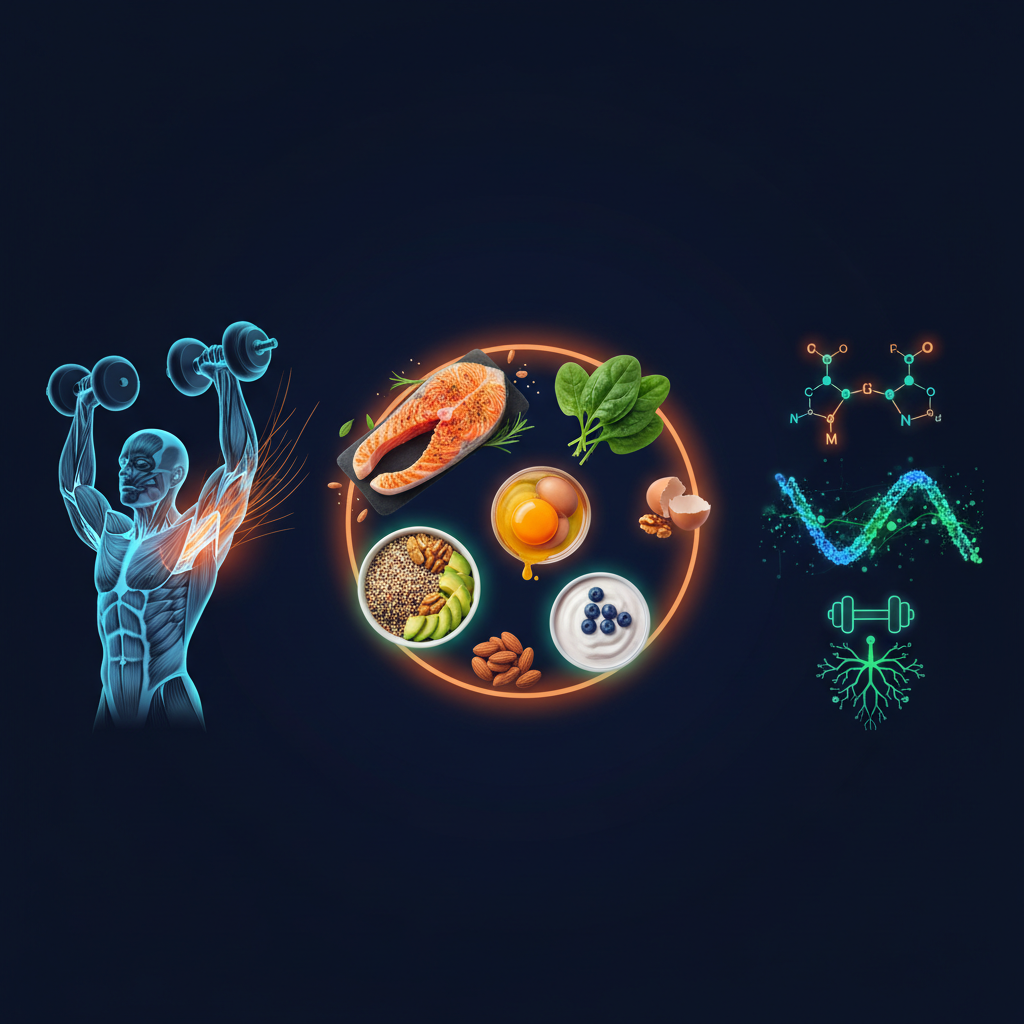
The Best Foods for Shoulder Health & Growth
Achieving well-developed, strong shoulders is a common goal for many gym-goers. But while lifting heavy is crucial, your nutrition plays an equally vital role in supporting shoulder health, recovery, and muscle growth. Coach Voris — a NASM-certified personal trainer and Precision Nutrition coach — guides you through the best foods to fuel your shoulder development. Forget generic advice; what follows is a deep dive into evidence-based nutrition that complements effective training.
Why Shoulder Nutrition Matters
Your shoulders are complex joints, involving the rotator cuff muscles, deltoids, and various supporting structures. These muscles work hard during compound movements like overhead presses and rows, as well as in isolation exercises. Proper nutrition is the bedrock for:
- Muscle Protein Synthesis: Building and repairing shoulder muscles after workouts.
- Joint Health: Reducing inflammation and supporting connective tissues.
- Energy Production: Fueling intense training sessions.
- Recovery: Minimizing soreness and speeding up the repair process.
Training principles like progressive overload and the Optimum Performance Training (OPT) model emphasize consistent, challenging workouts. But without adequate nutritional support, your body can't adapt and grow effectively, increasing the risk of injury.
Fueling Your Deltoids: The Macronutrient Breakdown
Before the specific foods, here are the macronutrient roles in shoulder health:
1. Protein: The Muscle Builder
Protein provides the essential amino acids needed for muscle repair and hypertrophy. Aim to consume protein throughout the day.
- NASM CPT Guideline: Consume 1.2-2.0 grams of protein per kilogram of body weight daily.
- Precision Nutrition Hand-Portion: For each meal, aim for a protein source that is about one palm-sized portion.
2. Carbohydrates: The Energy Source
Carbs replenish glycogen stores, providing the energy needed for demanding shoulder workouts and aiding recovery.
- NASM CPT Guideline: Emphasize complex carbohydrates for sustained energy.
- Precision Nutrition Hand-Portion: Aim for one to two fist-sized portions of carbohydrates per meal, depending on activity level.
3. Healthy Fats: The Inflammation Fighter & Hormone Support
Fats are crucial for hormone production (including those involved in muscle growth) and reducing exercise-induced inflammation.
- NASM CPT Guideline: Focus on unsaturated fats.
- Precision Nutrition Hand-Portion: Aim for one to two thumb-sized portions of healthy fats per meal.
The Best Foods for Shoulder Health and Growth
Here is how this goes into practice. Here are the top food choices to incorporate into your diet for optimal shoulder development:
1. Fatty Fish (Salmon, Mackerel, Sardines)
- Why: Rich in omega-3 fatty acids (EPA & DHA), which have powerful anti-inflammatory properties. This is critical for joint health and recovery, especially after tough shoulder sessions. They are also excellent sources of high-quality protein.
- How: Grilled salmon for dinner, canned sardines on whole-wheat toast, or mackerel patties.
- Nutrition Tip: A palm-sized serving of salmon provides ample protein, and its healthy fats align with your thumb-sized portion goal.
2. Lean Poultry (Chicken Breast, Turkey Breast)
- Why: A powerhouse of lean protein, essential for muscle protein synthesis. Chicken and turkey are versatile and easily digestible.
- How: Grilled chicken salads, turkey breast stir-fries, or shredded chicken in wraps.
- Nutrition Tip: A palm-sized portion of chicken breast is a perfect protein component for any meal.
3. Eggs
- Why: A complete protein source containing all essential amino acids. They also offer healthy fats, vitamins (like D and B12), and choline, which is important for muscle function.
- How: Scrambled eggs for breakfast, hard-boiled eggs as a post-workout snack, or added to salads.
- Nutrition Tip: 2-3 whole eggs provide protein and healthy fats suitable for your meal portions.
4. Greek Yogurt
- Why: High in protein (especially casein, a slow-digesting protein) and provides calcium for bone health. Its probiotic content can also aid digestion.
- How: Plain Greek yogurt with berries and nuts for breakfast, or as a base for savory dips.
- Nutrition Tip: A serving of Greek yogurt can easily fulfill your palm-sized protein requirement.
5. Berries (Blueberries, Strawberries, Raspberries)
- Why: Packed with antioxidants that combat oxidative stress from exercise and reduce inflammation. They are also a source of fiber and vitamins.
- How: Add to smoothies, yogurt, or oatmeal.
- Nutrition Tip: A fist-sized portion of mixed berries complements your protein and carbs.
Get your free Day 1 workout — no card required.
Meet Andy — get your free Day 1 workout6. Leafy Greens (Spinach, Kale)
- Why: Nutrient-dense sources of vitamins, minerals (like magnesium and calcium), and antioxidants. Crucial for overall bodily function, including muscle and nerve function.
- How: Add to smoothies, salads, omelets, or sauté as a side dish.
- Nutrition Tip: Incorporate a generous serving (can be more than a fist) to maximize micronutrient intake.
7. Nuts and Seeds (Almonds, Walnuts, Chia Seeds, Flaxseeds)
- Why: Provide healthy fats (including omega-3s in walnuts, chia, and flax), protein, fiber, and essential minerals like magnesium.
- How: A small handful as a snack, sprinkled on salads or yogurt, or blended into smoothies.
- Nutrition Tip: A thumb-sized portion of nuts or seeds adds healthy fats and some protein.
8. Sweet Potatoes
- Why: Excellent source of complex carbohydrates for sustained energy release and recovery. They also provide vitamins A and C.
- How: Baked sweet potato, roasted sweet potato cubes, or mashed sweet potato.
- Nutrition Tip: A fist-sized portion provides quality carbohydrates to fuel your workouts and replenish glycogen.
9. Whole Grains (Oats, Quinoa, Brown Rice)
- Why: Complex carbohydrates that provide sustained energy, fiber for digestive health, and various micronutrients.
- How: Oatmeal for breakfast, quinoa as a side dish, or brown rice in meals.
- Nutrition Tip: A fist-sized portion of cooked quinoa or brown rice, or a bowl of oatmeal, fits the carbohydrate recommendation.
10. Turmeric and Ginger
- Why: These spices contain powerful anti-inflammatory compounds (curcumin in turmeric, gingerol in ginger) that can significantly aid joint recovery and reduce muscle soreness.
- How: Add fresh or ground turmeric and ginger to meals, smoothies, or teas.
- Nutrition Tip: Use freely in cooking or as part of a recovery beverage.
Integrating Nutrition with Training: The Synergy
Remember, nutrition is only one piece of the puzzle. For optimal shoulder development, combine these food strategies with a well-structured training program based on NASM principles:
- Balanced Programming: Ensure your routine addresses all shoulder muscles (anterior, medial, and posterior deltoids) and includes exercises for the rotator cuff.
- Proper Form: Prioritize correct technique over weight to prevent injuries. This ensures you're effectively targeting the muscles and protecting the shoulder joint.
- Periodization: Varying your training intensity and volume over time (as outlined in the OPT model) prevents plateaus and reduces overuse injury risk.
- Listen to Your Body: Pay attention to pain signals. If your shoulders hurt, back off, assess your form, and ensure adequate recovery and nutrition.
Putting It All Together: A Sample Day
Here’s how you might structure your day, using the Precision Nutrition hand-portion guide:
- Breakfast: Oatmeal (Fist-sized portion) with a palm-sized portion of Greek yogurt, topped with a thumb-sized portion of almonds and a fist-sized portion of berries.
- Lunch: Large salad with mixed greens (Generous serving), grilled chicken breast (Palm-sized portion), quinoa (Fist-sized portion), and a light vinaigrette using olive oil (Thumb-sized portion of oil).
- Pre-Workout (Optional): Small banana (Half fist-sized portion)
- Post-Workout: Smoothie with water/unsweetened almond milk, 1 scoop whey protein (Palm-sized portion equivalent), spinach (Generous serving), and half a fist-sized portion of banana.
- Dinner: Baked salmon (Palm-sized portion), roasted sweet potato (Fist-sized portion), and steamed broccoli with a sprinkle of turmeric and ginger.
- Evening Snack (Optional): Small handful of walnuts (Thumb-sized portion).
This structure provides a solid foundation of protein for muscle repair, complex carbs for energy and recovery, and healthy fats for joint health and hormone support.
Conclusion: Eat Smart, Train Strong
Building impressive and healthy shoulders requires a holistic approach. By focusing on nutrient-dense foods that support muscle growth, joint health, and recovery, you provide your body with the fuel it needs to thrive. Combine this strategic eating plan with smart, progressive training, and you’ll be well on your way to achieving your shoulder goals safely and effectively.
Ready to take your training and nutrition to the next level?
Unlock your potential with a FREE trial of FitForge AI today! günlük egzersiz planları ve kişiselleştirilmiş beslenme önerileriyle hedeflerinize ulaşın.
Frequently Asked Questions
What nutrients are most important for shoulder muscle growth?
For optimal shoulder muscle growth, protein is paramount, providing the amino acids necessary for repair and hypertrophy. Carbohydrates replenish glycogen stores for energy, while healthy fats support hormone production and reduce inflammation, crucial for recovery and joint health.
Can certain foods help prevent shoulder injuries?
Yes, a diet rich in anti-inflammatory foods like omega-3 fatty acids (found in salmon, walnuts), various antioxidants from fruits and vegetables, and adequate collagen-supporting nutrients (Vitamin C) can significantly contribute to joint health and potentially reduce injury risk in the shoulders.
How does protein intake specifically benefit shoulder recovery after a workout?
Adequate protein intake post-workout provides a steady supply of essential amino acids, which are the building blocks for muscle repair. This process is crucial for regenerating damaged muscle fibers in the shoulders, reducing soreness, and promoting subsequent growth and adaptation.
Are there any foods to avoid for better shoulder health?
For optimal shoulder health, it's advisable to limit highly processed foods, excessive sugars, and trans fats. These can promote systemic inflammation, which may hinder recovery, exacerbate joint pain, and negatively impact overall tissue integrity and performance.
Get your free Day 1 workout — no card required.
Meet Andy — get your free Day 1 workout