The Ultimate Beginner's Guide to Pre-Workout Fuel: Maximize Your Gym Performance
Starting your fitness journey is exciting, and setting yourself up for success involves more than just showing up. What you eat before hitting the gym can significantly impact your energy levels, focus, and overall workout effectiveness. Coach Voris — a NASM-certified personal trainer and Precision Nutrition coach — guides you through the essentials of pre-workout nutrition, ensuring you get the most out of every session.
Why Pre-Workout Nutrition Matters
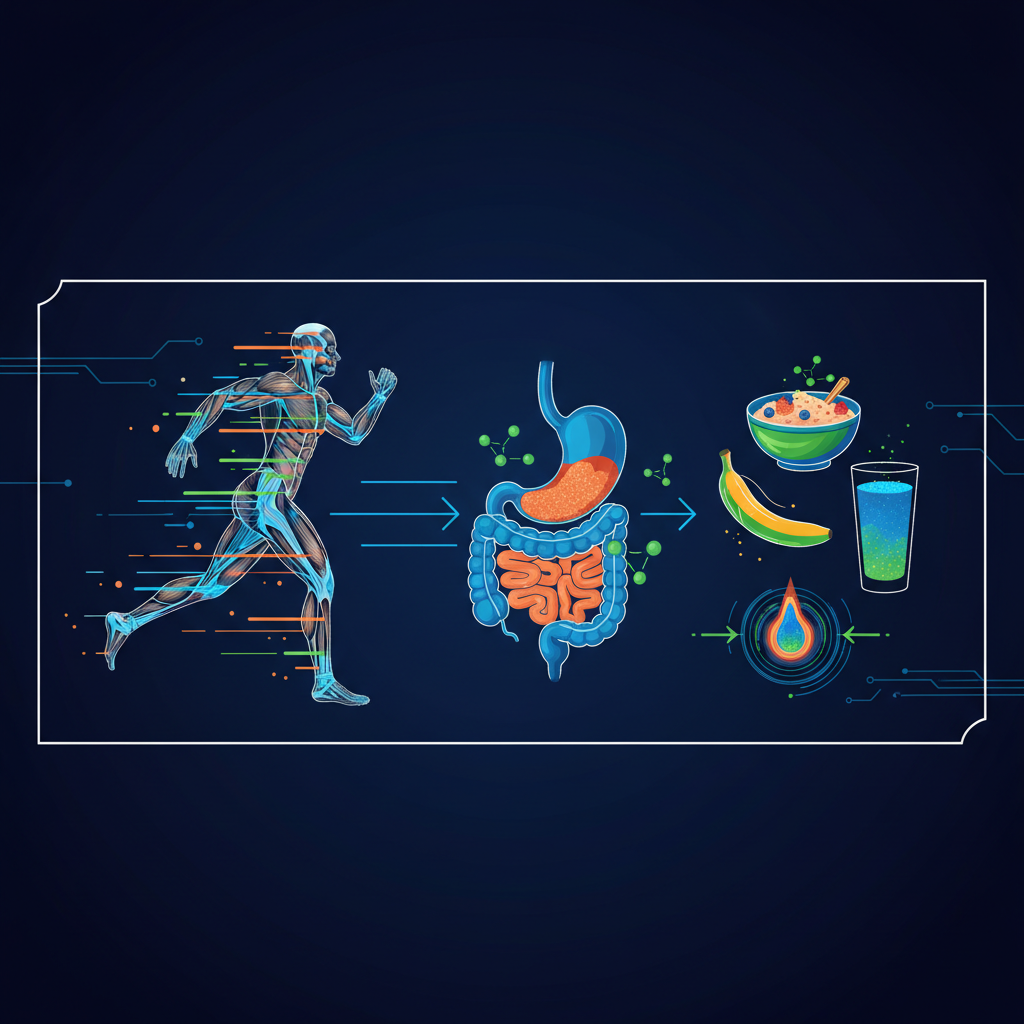
Think of your body like a car. You wouldn't expect it to run on empty, right? The same applies to your workouts. Proper pre-workout nutrition primes your body for the physical demands ahead. It provides the energy substrate needed to perform exercises with intensity, aids in nutrient transport, and can even help delay fatigue. Neglecting this crucial step can lead to sluggish workouts, reduced strength, and a higher risk of suboptimal performance.
From a training perspective, consistent, high-quality workouts are the cornerstone of progress. Principles like progressive overload—gradually increasing the demands on your body—require you to be able to perform at a high level consistently. Effective pre-workout nutrition supports this by providing the energy and nutrients to push your limits safely and effectively.
Understanding the Macronutrients for Pre-Workout
When considering what to eat before training, focus on a balance of macronutrients, with an emphasis on carbohydrates and a moderate amount of protein.
Carbohydrates: Your Primary Energy Source
Carbohydrates are the body's preferred fuel source, especially during moderate to high-intensity exercise. They are broken down into glucose, which is readily available for your muscles.
Simple vs. Complex Carbohydrates:
- Simple carbs (e.g., fruit, honey) offer a quick energy boost but can lead to a crash if consumed too close to your workout. They can be beneficial for very short, intense bursts or if you need immediate energy.
- Complex carbs (e.g., oats, whole grains, sweet potatoes) break down more slowly, providing sustained energy release. These are generally ideal for pre-workout meals or snacks, especially if consumed 1-3 hours beforehand.
Timing is Key: Aim to consume your main pre-workout carbohydrate source 1-3 hours before training. If you're closer to your workout (30-60 minutes), opt for easily digestible, simpler carbohydrates.
Protein: Muscle Repair and Preservation
While carbohydrates provide the immediate energy, protein plays a vital role in muscle repair and preventing muscle breakdown during exercise. Consuming protein pre-workout ensures that amino acids are available in your bloodstream to support muscle protein synthesis.
- Moderate Intake: You don't need large amounts of protein right before training. A moderate serving (around 15-30 grams, depending on your size and workout intensity) is sufficient.
- Choose Lean Sources: Opt for lean protein sources like chicken breast, fish, eggs, Greek yogurt, or plant-based options like tofu or lentils.
Fats: Consume with Caution
Dietary fats are essential for overall health but slow down digestion. Consuming large amounts of fat close to your workout can lead to digestive discomfort and may hinder performance by slowing carbohydrate absorption.
- Limit Fats Pre-Workout: It’s best to limit high-fat foods in your pre-workout meal, especially within 1-2 hours of training. If your meal is further out (3+ hours), moderate fat intake is acceptable.
NASM-CPT Recommendations: Structuring Your Pre-Workout Meal
NASM emphasizes a holistic approach to fitness, and nutrition is a critical component. When designing your pre-workout nutrition strategy, consider these guidelines:
Meal Timing:
- 3-4 Hours Before Workout: A balanced meal with complex carbohydrates, lean protein, and some healthy fats. Example: Grilled chicken with quinoa and roasted vegetables.
- 1-2 Hours Before Workout: Focus on easily digestible carbohydrates and a moderate amount of lean protein. Example: Oatmeal with berries and a scoop of protein powder, or a turkey sandwich on whole-wheat bread.
- 30-60 Minutes Before Workout: A small, easily digestible snack primarily consisting of carbohydrates for quick energy. Example: A banana, a small handful of dates, or a sports drink.
Hydration: Don't forget to hydrate! Proper fluid intake is crucial for performance and preventing fatigue. Drink water consistently throughout the day and ensure you're well-hydrated leading up to your workout.
Get your free Day 1 workout — no card required.
Meet Andy — get your free Day 1 workoutPrecision Nutrition Hand-Portion Method: A Simple Guide
For many, understanding portion sizes can be tricky. Precision Nutrition's Hand-Portion Method offers a practical, visual way to estimate appropriate food portions without needing scales or measuring cups.
- Carbohydrates: Aim for a portion about the size of your cupped palm or your fist. For your main pre-workout meal, this would translate to roughly 1-2 cupped palms. For a snack closer to your workout, one cupped palm or fist-sized portion is usually sufficient.
- Protein: Aim for a portion about the size of your palm (excluding fingers) to the thickness of your thumb. This typically aligns with the 15-30 gram recommendation.
- Fats: Use your thumb as a guide. A portion about the size of your thumb is generally appropriate for healthy fats when consumed in a meal several hours before exercise.
Example: For a pre-workout meal 2 hours before training, you might aim for: 1 fist of oatmeal (complex carb), 1 palm of Greek yogurt (protein), and 1 thumb of nuts or seeds (healthy fat), mixed with berries (simple carbs).
For a snack 30 minutes before, you might have: 1 fist of a banana (simple carb).
Sample Pre-Workout Meal and Snack Ideas
Here are some practical, beginner-friendly options:
Meal (1-3 Hours Before):
- Oatmeal with berries, a scoop of whey protein, and a sprinkle of almonds.
- Greek yogurt with honey and a small banana.
- Whole-wheat toast with scrambled eggs and a side of fruit.
- Chicken breast or lean turkey with a sweet potato and steamed vegetables.
Snack (30-60 Minutes Before):
- Banana
- A small apple with a tablespoon of peanut butter
- A handful of dates
- Rice cakes with a thin layer of jam
- A small smoothie with fruit and a small amount of protein powder
What to Avoid Before Your Workout
- High-Fat Foods: As mentioned, these slow digestion.
- Excessive Fiber: While fiber is healthy, too much right before a workout can cause gastrointestinal distress.
- Spicy Foods: Can lead to heartburn or an upset stomach.
- New Foods: Avoid trying new or unfamiliar foods right before an important workout or competition, as you don't know how your body will react.
- Large Meals: Avoid eating a massive meal immediately before training; allow at least 2-3 hours for digestion.
Putting It All Together: Embracing the OPT Model
The Overhead, Potential, Transformation (OPT) model from NASM isn't just for training programs; it applies to improving all aspects of fitness, including nutrition. For beginners, the focus should be on establishing consistent, healthy habits.
- Phase 1: Stabilization Endurance: Focus on understanding basic nutrition principles, mastering the hand-portion method, and establishing consistent meal timing. The goal is to build a solid foundation.
- Phase 2: Strength Endurance: Start fine-tuning your pre-workout nutrition based on how you feel and perform. Experiment with different food combinations and timing to see what works best for you.
- Subsequent Phases: As you progress, you can further optimize your pre- and post-workout nutrition to align with more specific training goals, such as muscle hypertrophy or peak power.
Listen to Your Body
Ultimately, the best pre-workout fuel is the one that makes you feel energized, focused, and ready to tackle your workout without any digestive discomfort. Experimentation is key. Pay attention to how different foods and timings affect your performance and make adjustments accordingly. What works for one person might not work for another.
Ready to Forge Your Best Self?
Mastering pre-workout nutrition is a powerful step in your fitness journey. Consistent, optimized fueling, combined with smart training, leads to sustainable results. Ready to take your training and nutrition to the next level with personalized guidance?
Start your 7-day free trial of FitForge AI today and unlock customized workout plans and expert nutrition advice!
Frequently Asked Questions
What should a beginner eat before a workout?
As a beginner, focus on easily digestible carbohydrates for quick energy, such as a banana or a slice of whole-wheat toast. Combining this with a small amount of protein, like a tablespoon of nut butter, can help sustain energy and reduce muscle breakdown.
How long before a workout should I eat?
Ideally, consume your pre-workout meal or snack 30 to 60 minutes before exercising. This timeframe allows for digestion and nutrient absorption, ensuring your body has readily available energy without causing digestive upset during your session.
What are the best pre-workout snacks for energy?
Excellent pre-workout snacks for sustained energy include an apple with a small handful of almonds, oatmeal with berries, or Greek yogurt. These options provide a balanced mix of carbohydrates for fuel and protein to support muscle function.
Can I work out on an empty stomach as a beginner?
While some advanced individuals may perform fasted cardio, it's generally not recommended for beginners. Eating a small, balanced snack beforehand ensures you have adequate energy, prevents fatigue, and helps maintain blood sugar levels, contributing to a more effective and safer workout experience.
Get your free Day 1 workout — no card required.
Meet Andy — get your free Day 1 workout