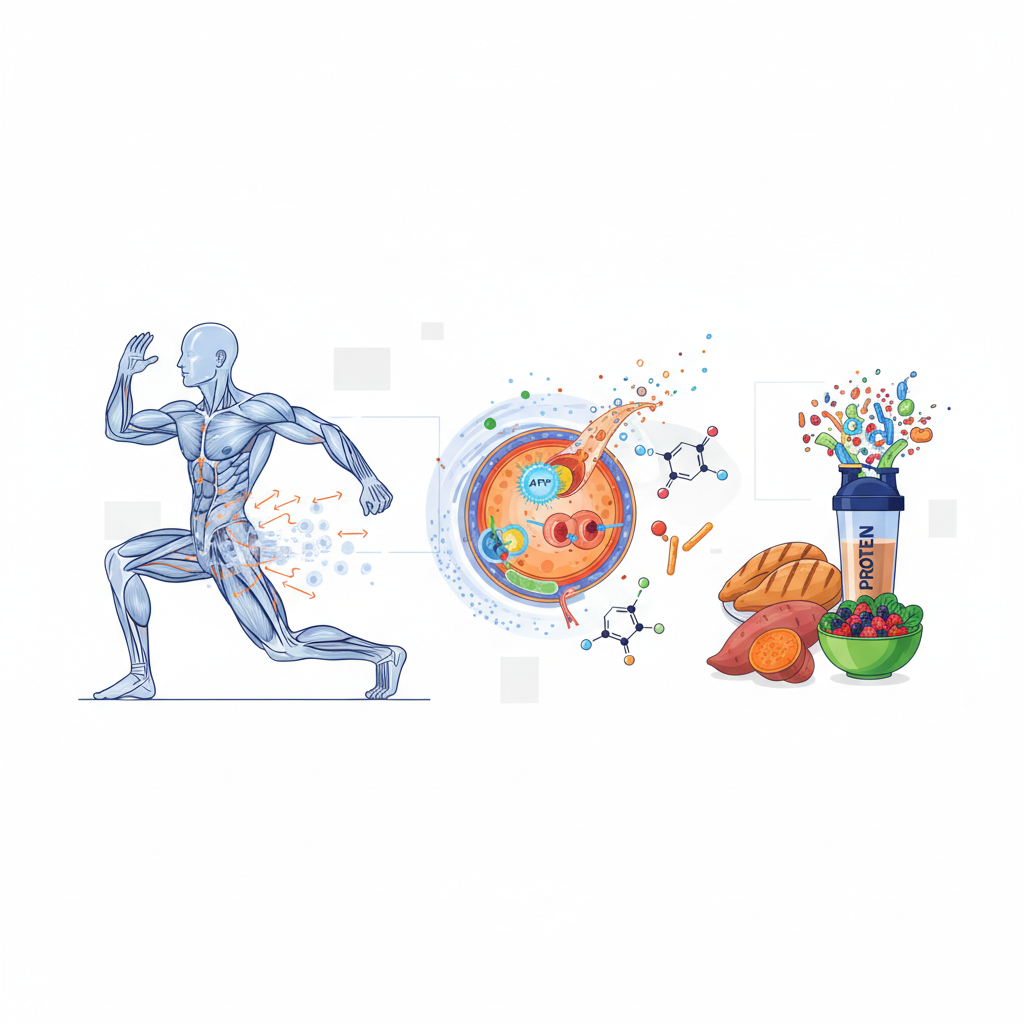
Unlock Your Fat Burning Potential: Post-Workout Nutrition Explained
The hour or so after a intense workout is a critical window for recovery and muscle growth. However, it's also a prime opportunity to optimize your body's ability to burn fat. This phase, often referred to as "nutrient timing," plays a significant role in your overall fitness and fat loss journey. Understanding fat burning post-workout nutrition isn't just about refueling; it's about strategically fueling your body to maximize metabolic adaptations and accelerate your progress.
The Science Behind Post-Workout Fat Burning
When you engage in strenuous exercise, your body depletes its glycogen stores, which are the primary source of energy for high-intensity activities. This depletion signals your body to seek alternative fuel sources, including stored body fat. The post-workout period is when your body is most receptive to nutrient intake to replenish these stores and initiate muscle repair and synthesis. However, the type and timing of these nutrients can influence whether your body prioritizes fat burning or carbohydrate storage.
The concept of the "anabolic window" suggests a short period post-exercise where nutrient uptake is maximized. While the strict timing is debated, the principle of consuming appropriate nutrients to support recovery and metabolic health remains crucial. For fat burning, the goal is to adequately replenish glycogen without excessively spiking insulin, which can hinder fat oxidation.
NASM Principles: Optimizing Your Training for Fat Loss
National Academy of Sports Medicine (NASM) Certified Personal Trainers (CPTs) emphasize a holistic approach to fitness, integrating training, nutrition, and lifestyle. For fat loss, this means structuring workouts to maximize calorie expenditure and enhance metabolic rate.
The OPT Model and Fat Burning
The Optimum Performance Training (OPT) model, developed by NASM, provides a periodization framework that can be adapted for fat loss. For example, in the Stabilization Endurance phase, clients focus on muscular endurance with moderate loads and higher repetitions. This type of training increases work capacity and burns a significant number of calories. As clients progress to the Strength Endurance and Hypertrophy phases, the intensity and volume increase, further boosting post-exercise oxygen consumption (EPOC), commonly known as the "afterburn effect." This elevated metabolic state continues to burn calories long after the workout concludes, contributing to overall fat loss.
Progressive Overload: The Engine of Adaptation
The cornerstone of any effective training program is progressive overload. Consistently challenging your body by gradually increasing the demands placed upon it (e.g., lifting heavier weights, doing more reps, decreasing rest times) forces your body to adapt. These adaptations include building more muscle mass, which is metabolically active tissue that burns calories even at rest, and improving your body's efficiency in utilizing fuel sources, including fat.
Post-Workout Nutrition Strategies for Fat Burning
The goal of post-workout nutrition for fat burning is to support muscle recovery and adaptation while encouraging the body to continue utilizing stored fat for energy.
Protein: The Muscle Repair and Growth MVP
Protein is essential for repairing muscle tissue damaged during exercise and synthesizing new muscle proteins. Adequate protein intake post-workout can help preserve lean muscle mass, which is vital for a healthy metabolism.
- Aim for 20-30 grams of high-quality protein within a couple of hours after your workout.
- Good sources include lean meats, poultry, fish, eggs, dairy products (like Greek yogurt or cottage cheese), and plant-based options like tofu, tempeh, or legumes.
Carbohydrates: Replenishing Without Overdoing It
Carbohydrates are needed to replenish depleted glycogen stores. However, the type and amount are key for fat burning.
Get your free Day 1 workout — no card required.
Meet Andy — get your free Day 1 workout- Prioritize complex carbohydrates that release glucose more slowly, preventing large insulin spikes. Examples include sweet potatoes, quinoa, oats, and whole-grain bread.
- The amount depends on the intensity and duration of your workout. For moderate workouts, a smaller portion of carbohydrates focused on quality is sufficient. For very long or intense sessions, a more robust replenishment may be necessary.
Fats: Essential, But Time Them Wisely
Dietary fats are crucial for hormone production and overall health. However, consuming large amounts of fat immediately post-workout can slow down the absorption of protein and carbohydrates.
- Include healthy fats in moderation throughout your day, but consider keeping your immediate post-workout meal lower in fat.
- Focus on unsaturated fats from sources like avocados, nuts, seeds, and olive oil in meals consumed later in the day.
Precision Nutrition's Hand-Portion Method
Precision Nutrition offers a practical, visual guide to portion control that simplifies healthy eating without complex calorie counting. For post-workout nutrition, you can adapt this method:
- Protein: Your palm size is a good visual cue for a post-workout protein serving. Cover your palm with lean protein like grilled chicken breast, fish, or Greek yogurt.
- Complex Carbohydrates: Use one cupped hand for complex carbs like sweet potato, quinoa, or brown rice.
- Healthy Fats: Use your thumb to measure a serving of healthy fats like avocado or nuts.
- Vegetables: Fill one or two cupped hands with non-starchy vegetables like broccoli, spinach, or bell peppers. They are nutrient-dense and low in calories.
Adjust these portions based on your workout intensity, duration, and individual needs. For fat burning, you might initially lean towards a slightly smaller carb portion and ensure adequate protein and fiber from vegetables.
Hydration: The Unsung Hero
Don't forget the importance of hydration. Water is essential for numerous bodily functions, including metabolism and nutrient transport.
- Drink water before, during, and after your workouts.
- Monitor your hydration levels by checking urine color; pale yellow indicates adequate hydration.
Sample Post-Workout Meal Ideas for Fat Burning
Here are a few practical meal ideas that align with fat-burning post-workout nutrition principles:
Greek Yogurt with Berries and a Sprinkle of Nuts:
- Protein: Greek yogurt (palm-sized portion)
- Carbs: Mixed berries (cupped hand)
- Fats: Small sprinkle of almonds or walnuts (thumb-sized)
Grilled Chicken Salad with Quinoa and Avocado:
- Protein: Grilled chicken breast (palm-sized)
- Carbs: Quinoa (cupped hand)
- Fats: Sliced avocado (thumb-sized)
- Veggies: Mixed greens, tomatoes, cucumber (one or two cupped hands)
Salmon with Roasted Sweet Potatoes and Asparagus:
- Protein: Baked salmon fillet (palm-sized)
- Carbs: Roasted sweet potato wedges (cupped hand)
- Fats: Olive oil used for roasting (measured implicitly or about a thumb-sized portion)
- Veggies: Roasted asparagus (one or two cupped hands)
Putting It All Together: Consistency is Key
Optimizing fat burning post-workout nutrition is a powerful strategy, but it's most effective when integrated into a consistent, overall healthy diet and training regimen. Focus on whole, unprocessed foods, listen to your body, and make adjustments as needed.
Ready to take control of your fitness journey with personalized, AI-driven insights?
Explore FitForge AI's free trial today and discover how FitForge AI can help you achieve your goals. Use the free nutrition calculator to start planning your optimal fueling strategy!
Written by Coach Voris, NASM-CPT — Certified Personal Trainer and founder of FitForge AI. Coach Voris combines evidence-based training with AI to deliver personalized coaching at scale.
Frequently Asked Questions
What should a beginner eat after a workout to maximize fat burning?
Beginners should focus on a balance of lean protein for muscle repair and complex carbohydrates to replenish glycogen stores. Aim for a meal or snack containing approximately 20-30 grams of protein and 30-60 grams of carbohydrates within 60 minutes post-exercise to optimize recovery and metabolic function.
Is fasting after a workout good for fat burning?
While some advanced strategies involve fasted training, consistently delaying post-workout nutrition can hinder recovery, muscle protein synthesis, and overall metabolic adaptation, which is counterproductive for sustainable fat burning. Optimal nutrient timing supports the repair processes crucial for a healthy, fat-burning metabolism.
How does post-workout nutrition impact my metabolism for fat loss?
Strategic post-workout nutrition helps by replenishing energy stores, initiating muscle repair, and reducing cortisol levels that can impede fat loss. This supports a healthy, active metabolism, ensuring your body efficiently uses fuel and maintains muscle mass, which is key for long-term fat burning.
What role do protein and carbs play in post-workout fat burning?
Protein is crucial for muscle repair and growth, which boosts your resting metabolic rate. Carbohydrates replenish glycogen used during exercise, preventing muscle breakdown for energy and allowing protein to be used for its primary function. Together, they create an anabolic environment conducive to both recovery and sustained fat loss.
Get your free Day 1 workout — no card required.
Meet Andy — get your free Day 1 workout