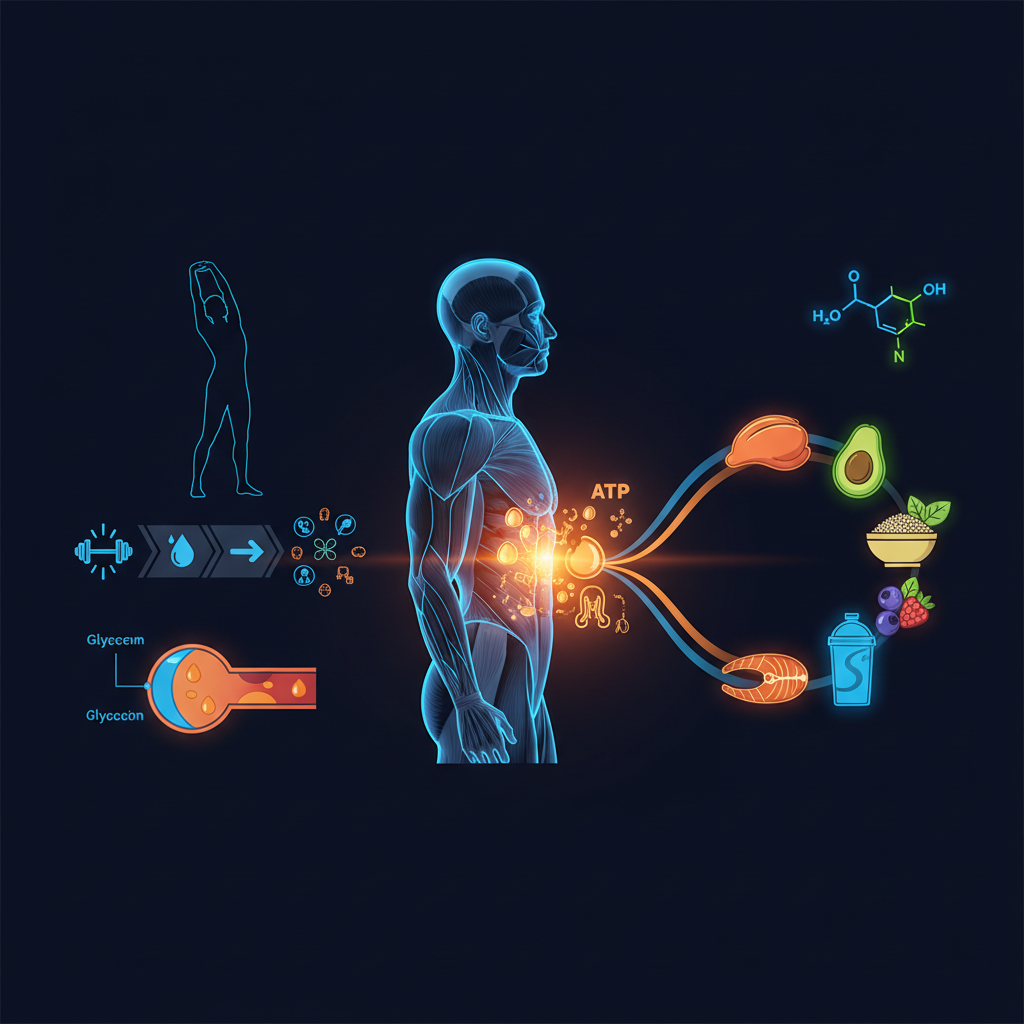
Fueling Your Fire: Fat Burning Post-Workout Nutrition
Your workout is done. You pushed hard, sweat poured, and muscles are feeling that satisfying burn. But what happens next is just as crucial for your goals, especially if fat loss is on your mind. Post-workout nutrition isn't just about recovery; it's a powerful tool for enhancing your body's fat-burning capabilities. This guide will delve into the science and practical strategies for optimizing your post-exercise fueling for maximum fat loss, based on NASM-CPT protocols and Precision Nutrition principles.
The Metabolic Window: Myth vs. Reality
You've likely heard about the "anabolic window" or "metabolic window" – a short period after exercise where your body is supposedly primed to absorb nutrients for muscle repair and growth. While there is a heightened sensitivity to nutrient uptake post-exercise, the window is far wider than often portrayed. For most individuals, especially those not training at elite levels or performing multiple daily sessions, the critical timing isn't as narrow as a 30-60 minute window.
However, strategic post-workout nutrition can still significantly impact fat burning and recovery. The key is consuming the right macronutrients in appropriate amounts to support muscle protein synthesis, replenish glycogen stores (if depleted), manage cortisol levels, and promote satiety, all of which contribute to a favorable environment for fat loss.
NASM Principles and Post-Workout
NASM’s Integrated Program Design (IPD) model emphasizes a holistic approach, encompassing exercise, nutrition, and lifestyle. Post-workout nutrition fits squarely within this framework, aiming to:
- Support muscle repair and adaptation: Essential for improving body composition and metabolic rate.
- Replenish energy stores: Important for sustained energy levels and preventing overeating later.
- Facilitate recovery: Allowing you to perform optimally in subsequent workouts, driving progressive overload.
Progressive overload, the cornerstone of any effective training program, requires consistent and progressively challenging workouts. Adequate post-workout nutrition minimizes fatigue and soreness, enabling you to adhere to your training schedule and continue making progress.
Macronutrient Breakdown for Fat Loss
When your goal is fat loss, your post-workout meal needs to be carefully considered.
Protein: The Muscle Builder and Satiety Sentinel
Protein is paramount. It provides the amino acids necessary to repair and rebuild muscle tissue damaged during exercise. More muscle mass means a higher resting metabolic rate, meaning you burn more calories even at rest.
- Aim for 20-40 grams of high-quality protein post-workout. This amount is generally sufficient to stimulate muscle protein synthesis without excessive caloric intake.
- Sources: Lean meats (chicken breast, turkey, lean beef), fish (salmon, tuna), eggs, Greek yogurt, protein powder (whey, casein, or plant-based).
Carbohydrates: Replenishing and Regulating
The role of carbohydrates post-workout is often debated, especially for fat loss. While excessive carb intake can hinder fat loss, strategic consumption is beneficial. Carbs help replenish muscle glycogen stores depleted during intense exercise and, crucially, can help manage the stress hormone cortisol. Elevated cortisol can promote fat storage, particularly abdominal fat.
- Focus on complex carbohydrates with a moderate glycemic index. These provide sustained energy release and are less likely to cause rapid blood sugar spikes.
- Portion Control is Key: Use the Precision Nutrition hand-portion method. For a post-workout meal focused on fat loss, aim for roughly one cupped hand of complex carbohydrates.
- Sources: Oats, quinoa, brown rice, sweet potatoes, fruits (berries, apples, bananas). Timing matters less than total daily intake, but consuming carbs post-workout can be beneficial if your next meal is several hours away or if your workout was particularly glycogen-depleting.
Get your free Day 1 workout — no card required.
Meet Andy — get your free Day 1 workoutFats: Healthy Choices for Hormonal Balance
While fats are calorie-dense and should be moderately controlled, healthy fats play a vital role in hormone production and overall health. It’s generally advisable to keep fat intake lower immediately post-workout to facilitate quicker absorption of protein and carbohydrates. However, don't avoid them entirely in your post-exercise recovery meal if it makes the meal more balanced and satisfying.
- Focus on unsaturated fats.
- Sources: Avocado, nuts, seeds, olive oil.
Putting It Together: Precision Nutrition Hand-Portion Method
The Precision Nutrition hand-portion method offers a simple, visual way to manage your intake without complex calorie counting. For a post-workout meal aimed at fat loss:
- Protein: One to two palm-sized portions.
- Complex Carbohydrates: One cupped hand portion.
- Healthy Fats: One to two thumb-sized portions.
- Non-starchy Vegetables: Two fist-sized portions.
Example Post-Workout Meals:
Grilled Chicken Salad:
- Protein: 1-2 palms of grilled chicken breast.
- Carbs: 1 cupped hand of quinoa.
- Vegetables: 2 fists of mixed greens, bell peppers, cucumbers, tomatoes.
- Fats: 1-2 thumbs of olive oil and vinegar dressing, or a few almonds sprinkled on top.
Salmon and Sweet Potato:
- Protein: 1-2 palms of baked salmon.
- Carbs: 1 cupped hand of roasted sweet potato cubes.
- Vegetables: 2 fists of steamed broccoli or asparagus.
- Fats: Naturally present in salmon, a small drizzle of olive oil for veggies.
Greek Yogurt Parfait:
- Protein: 1.5 palms (approx. 1 cup) of plain Greek yogurt.
- Carbs: 1 cupped hand of mixed berries and 1/4 cup of oats.
- Fats: 1-2 thumbs of chia seeds or chopped walnuts.
Hydration: The Unsung Hero
Don't forget to rehydrate! Water is essential for all bodily functions, including metabolism and nutrient transport. Sip water throughout the day, and especially after your workout. Electrolyte replacement may be necessary after prolonged or intense sessions in hot conditions.
Beyond the Meal: Lifestyle Factors
Remember that post-workout nutrition is just one piece of the puzzle. Consistent training, adequate sleep, stress management, and a balanced diet throughout the day are all critical for achieving your fat loss goals. The OPT (Optimum Performance Training) model by NASM encourages clients to address all these areas for sustainable results.
Conclusion: Strategic Fueling for Fat Loss
Optimizing your post-workout nutrition is a powerful strategy to support muscle recovery, manage energy levels, and enhance your body's ability to burn fat. By focusing on adequate protein, strategic carbohydrate intake, and healthy fats, all portion-controlled using practical methods like the Precision Nutrition hand-portion system, you can fuel your recovery effectively and move closer to your fat loss goals.
Ready to take control of your fitness journey? Unlock personalized workout plans and expert nutrition guidance with FitForge AI. Start your free trial today and access the comprehensive tools, including the Free Calorie Calculator!
Written by Coach Voris, NASM-CPT — Certified Personal Trainer and founder of FitForge AI. Coach Voris combines evidence-based training with AI to deliver personalized coaching at scale.
Frequently Asked Questions
What should I eat after a workout to maximize fat burning?
To optimize fat burning post-workout, focus on lean protein to repair muscles and a moderate amount of complex carbohydrates to replenish glycogen stores. This combination supports recovery while maintaining a favorable metabolic environment for fat oxidation, as recommended by NASM principles.
Is the 'anabolic window' real, and how does it relate to fat loss?
While the strict 'anabolic window' of 30-60 minutes immediately post-exercise is debated, consuming nutrients within a few hours post-workout is beneficial for recovery and muscle protein synthesis. For fat loss, timely nutrient intake supports metabolism and prevents muscle breakdown, which is crucial for long-term fat management.
How much protein and carbs do I need post-workout for fat loss?
For fat loss, a general guideline is to consume 20-40 grams of lean protein and 0.5-1 gram of carbohydrates per kilogram of body weight within a few hours post-exercise. This balance aids muscle repair, glycogen replenishment, and maintains metabolic function without excessive calorie intake, aligning with Precision Nutrition guidelines.
What are the best food sources for post-workout fat burning and recovery?
Excellent food sources include lean proteins like chicken breast, fish, Greek yogurt, or plant-based protein powder, combined with complex carbohydrates such as sweet potatoes, quinoa, oats, or fruits. These options provide essential amino acids and glucose for recovery while supporting your fat loss objectives effectively.
Get your free Day 1 workout — no card required.
Meet Andy — get your free Day 1 workout