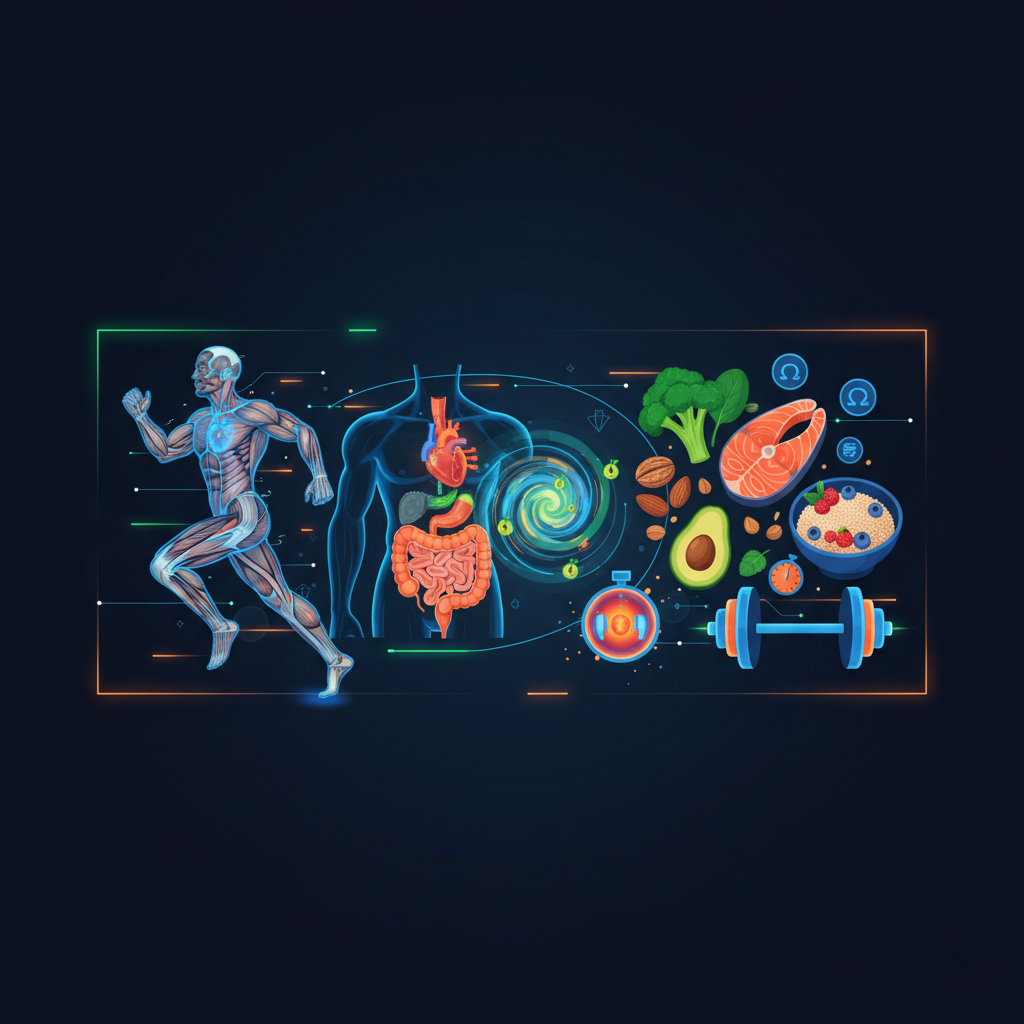
Eat Smart, Train Strong: Best Foods for Over 40 Fitness
As we cross the 40-year threshold, our bodies undergo natural changes. Metabolism might slow, recovery can take longer, and maintaining muscle mass becomes crucial for overall health and a vibrant physique. But fear not! With the right approach to nutrition and training, you can not only keep up but thrive. This guide, powered by NASM-CPT and Precision Nutrition principles, will equip you with the knowledge of the best foods for over 40 fitness.
For a man over 40, the best fitness foods combine lean protein, fiber-rich carbohydrates, vegetables, fruit, and healthy fats. Practical choices include eggs, chicken, salmon, beans, oats, brown rice, berries, and olive oil. The article’s hand-portion guide starts with 1-2 palms of protein and two fists of vegetables per meal, with carbohydrate and fat portions adjusted to activity level and goals.
Why Nutrition Matters More After 40
It's not about restriction; it's about strategic fueling. After 40, our bodies become more sensitive to nutrient quality. Hormonal shifts, particularly a decline in growth hormone and testosterone, can impact muscle protein synthesis and fat storage. This underscores the importance of nutrient-dense foods that support muscle repair, hormonal balance, and sustained energy.
The Foundation: Macronutrient Mastery
Before diving into specific foods, the role of macronutrients needs solidifying:
- Protein: Essential for muscle repair and growth. Aim for lean sources at every meal.
- Carbohydrates: Your primary energy source. Focus on complex, fiber-rich carbs for sustained energy and digestive health.
- Fats: Crucial for hormone production and nutrient absorption. Prioritize healthy unsaturated fats.
Best Foods for Over 40 Fitness: A Detailed Breakdown
1. Lean Proteins: The Muscle Builders
Protein is paramount for combating age-related muscle loss (sarcopenia).
- Chicken Breast & Turkey: Excellent sources of lean protein, versatile, and easy to prepare.
- Fish (Salmon, Tuna, Mackerel): Beyond protein, fatty fish are packed with omega-3 fatty acids, which reduce inflammation, support brain health, and aid in cardiovascular function. Aim for 2-3 servings per week.
- Lean Beef & Pork: Provide iron and zinc, crucial for energy and immune function, alongside protein. Choose lean cuts and enjoy in moderation.
- Eggs: A complete protein source, rich in choline (brain health) and other essential nutrients.
- Legumes (Beans, Lentils, Chickpeas): Offer plant-based protein, fiber, and complex carbohydrates.
2. Complex Carbohydrates: Sustained Energy
Ditch the refined sugars and embrace whole, unprocessed carbs.
- Oats: Rich in soluble fiber, promoting satiety and stable blood sugar levels. Great for breakfast.
- Quinoa: A complete protein and a good source of fiber and minerals.
- Sweet Potatoes: Packed with vitamins A and C, plus fiber for sustained energy release.
- Brown Rice: A whole-grain staple that provides B vitamins and fiber.
- Vegetables (All kinds!): Leafy greens, cruciferous vegetables, bell peppers, and more are loaded with vitamins, minerals, antioxidants, and fiber. They should form the bulk of your plate.
3. Healthy Fats: Hormone Support & More
Don't fear fat; choose wisely!
- Avocado: A powerhouse of monounsaturated fats, fiber, and potassium.
- Nuts & Seeds (Almonds, Walnuts, Chia, Flax): Offer healthy fats, protein, fiber, and a host of micronutrients. Portion control is key due to calorie density.
- Olive Oil (Extra Virgin): Ideal for dressings and low-heat cooking. Rich in antioxidants and monounsaturated fats.
4. Fruits: Antioxidant Powerhouses
While moderate, fruits offer essential vitamins, minerals, and antioxidants.
Get your free Day 1 workout — no card required.
Meet Andy — get your free Day 1 workout- Berries (Blueberries, Strawberries, Raspberries): Loaded with antioxidants to combat cellular damage.
- Apples & Pears: Good sources of fiber.
- Bananas: Provide potassium, useful for muscle function and electrolyte balance.
Integrating Nutrition with Training Principles
The best foods for over 40 fitness are those that fuel your workouts and support recovery, aligning with evidence-based training principles.
- Progressive Overload: To continually build strength and muscle, you must gradually increase the demand on your body. This requires adequate fuel. Consuming sufficient protein and complex carbs ensures you have the energy for demanding workouts and the building blocks for muscle repair.
- The OPT (Optimum Performance Training) Model: NASM's OPT model emphasizes a periodized approach to training, progressing clients through stabilization, strength, and power phases. Each phase has different energy demands.
- Stabilization Endurance: Focus on nutrient-dense foods with adequate protein and fiber for sustained energy.
- Strength Endurance & Hypertrophy: Nutrient timing becomes more critical. Ensure pre- and post-workout nutrition supports energy availability and muscle protein synthesis. Increased protein intake is beneficial.
- Power: High energy demands require ample carbohydrates to fuel explosive movements.
The Precision Nutrition Hand-Portion Method: Simplified Nutrition
Still unsure how much to eat? Precision Nutrition's hand-portion method is a simple, visual guide:
- Protein: One to two palm-sized portions per meal.
- Vegetables: Two fist-sized portions per meal (or more!).
- Complex Carbs: One to two cupped-hand portions per meal.
- Fats: One to two thumb-sized portions per meal.
Adjust portions based on your individual goals, activity level, and body composition.
Hydration: The Unsung Hero
Don't forget water! Proper hydration is critical for performance, recovery, nutrient transport, and overall bodily function. Aim for at least 8 glasses (around 2 liters) per day, increasing intake around workouts.
Sample Meal Ideas
- Breakfast: Oatmeal with berries, a scoop of protein powder, and a sprinkle of chia seeds. Or, scrambled eggs with spinach and a side of avocado.
- Lunch: Grilled salmon salad with mixed greens, quinoa, and a light vinaigrette.
- Dinner: Lean ground turkey stir-fry with abundant vegetables (broccoli, bell peppers, snap peas) served over brown rice.
- Snacks: Greek yogurt with almonds, an apple with peanut butter, or a hard-boiled egg.
Putting It All Together
The best foods for over 40 fitness aren't exotic or overly complicated. They are whole, nutrient-dense foods that provide the protein, healthy fats, and complex carbohydrates your body needs to thrive. By combining these strategic food choices with consistent, progressive training, you can enhance your energy levels, support muscle growth, improve recovery, and achieve your fitness goals.
Ready to transform your fitness journey? Take the guesswork out of training and nutrition.
Unlock your potential with a FREE trial at FitForge AI today! #) ,meta_description:
Frequently Asked Questions
Why does nutrition become even more critical for fitness after age 40?
After 40, metabolic rate naturally decreases, hormonal shifts occur, and muscle mass (sarcopenia) can decline. Strategic nutrition supports metabolism, hormone balance, and muscle retention, crucial for maintaining energy and preventing age-related issues.
What specific macronutrient should individuals over 40 prioritize for muscle maintenance?
Protein is paramount. Adequate protein intake (around 1.6-2.2 grams per kg of body weight) is essential to combat sarcopenia, support muscle repair, and maintain lean mass, especially when combined with resistance training.
Are there particular foods or nutrients that help with recovery for active individuals over 40?
Yes, antioxidants from fruits and vegetables reduce inflammation, while omega-3 fatty acids (found in fatty fish or flaxseed) support joint health and recovery. Complex carbohydrates are also vital for replenishing glycogen stores post-exercise.
How can diet influence hormonal balance in individuals over 40?
A balanced diet rich in healthy fats, fiber, and micronutrients supports hormonal health. Specific nutrients like Vitamin D, magnesium, and zinc play roles in hormone production and regulation, which can mitigate some age-related hormonal shifts.
Get your free Day 1 workout — no card required.
Meet Andy — get your free Day 1 workout