Boost flexibility & power with science-backed reciprocal inhibition stretching! Discover how this NASM-approved technique optimizes athletic performance.
By Coach Voris, NASM-CPT · Training Science · reciprocal inhibition, PNF stretching, flexibility science, athletic performance, NASM
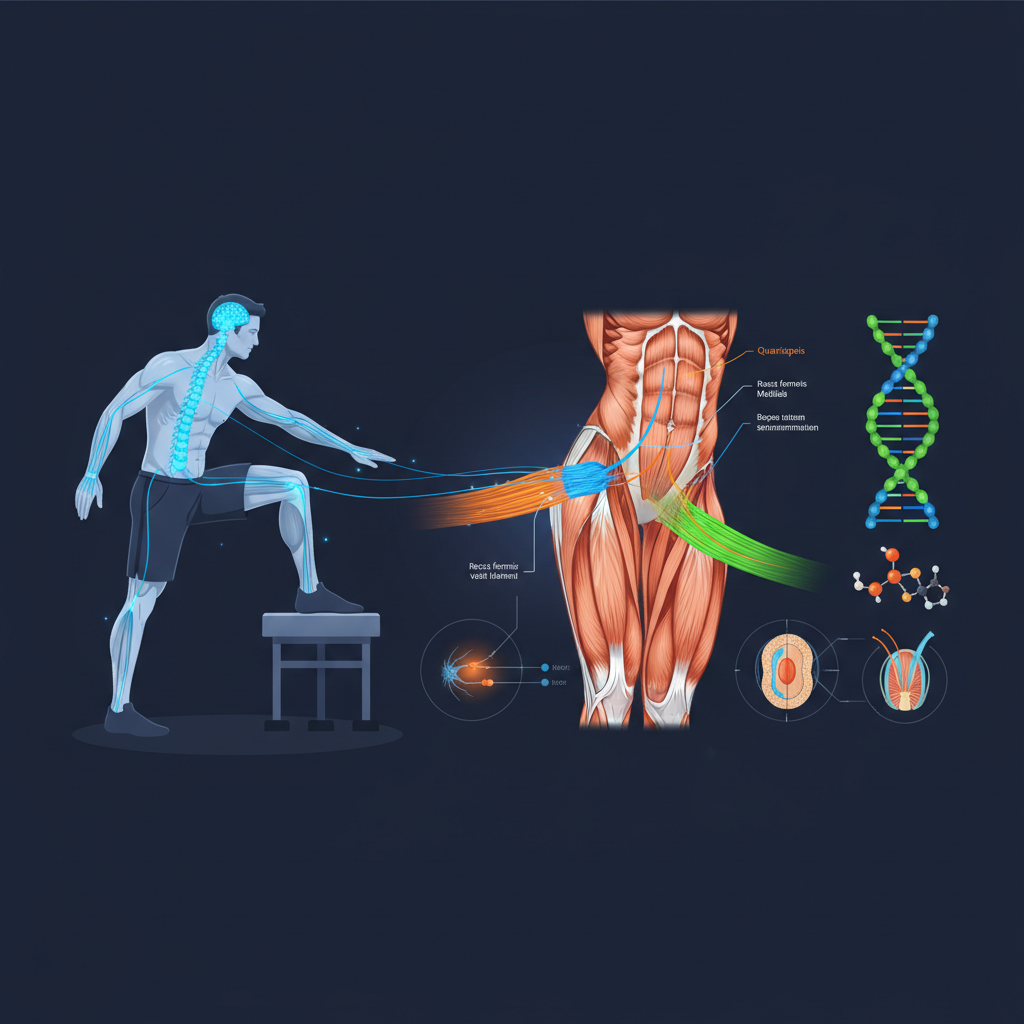
Reciprocal inhibition is a neuromuscular reflex where the contraction of one muscle (agonist) causes a simultaneous and reciprocal relaxation of its antagonist muscle, a principle best observed during active stretching. Understanding this reflex is key to unlocking greater flexibility and preparing your body for peak performance. This post dives deep into the science behind reciprocal inhibition stretching, explaining its mechanisms, benefits, and practical applications for athletes and fitness enthusiasts alike, referencing established training protocols and guidelines. Quick Answer: Reciprocal inhibition stretching leverages the nervous system's natural relaxation response to increase a muscle's range of motion by contracting its opposing muscle. This method is highly effective for improving flexibility and can enhance [athletic performance](https://fitforgeai.net/blog/gut-microbiome-exercise-performance) by reducing antagonist co-contraction. Reciprocal inhibition is a fundamental concept in neuromuscular physiology. Research shows that when the nervous system signals a muscle (the agonist) to contract, it simultaneously sends an inhibitory signal to the opposing muscle (the ant…