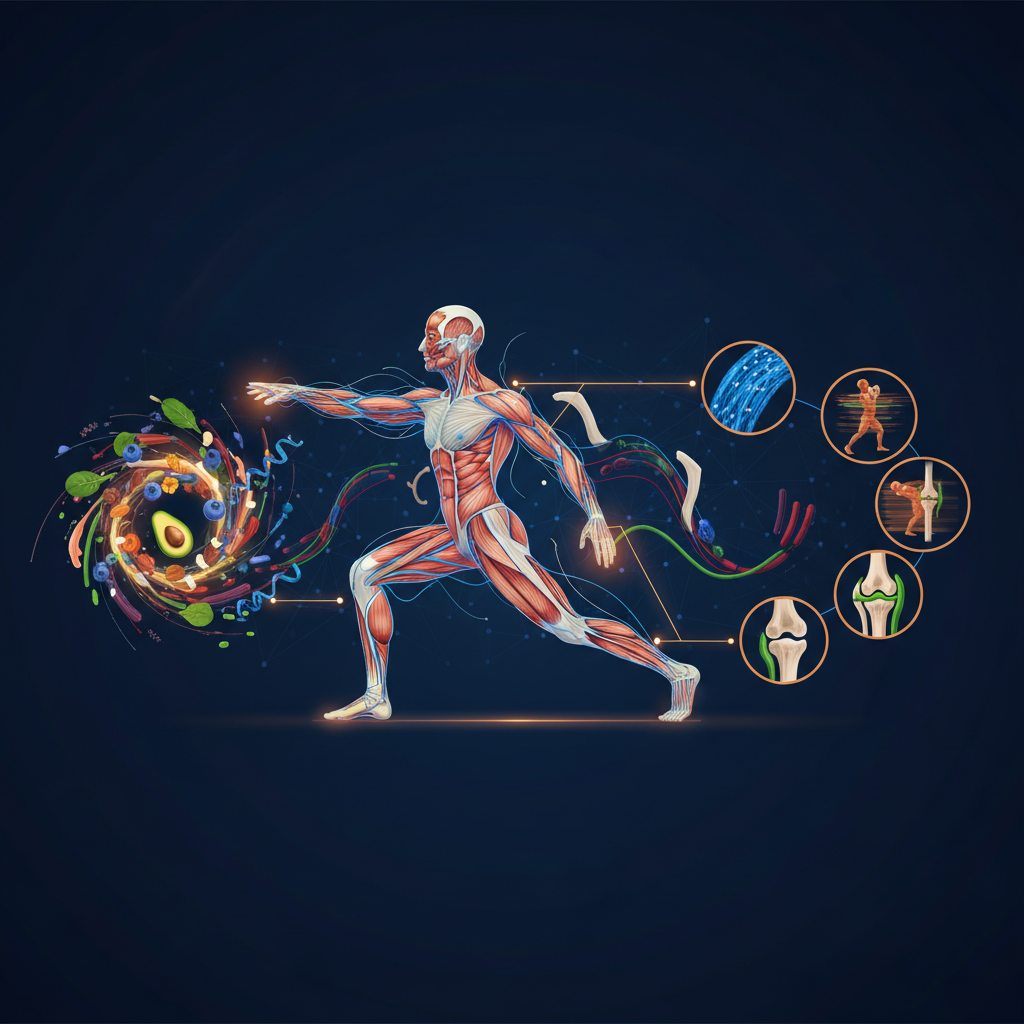
What is Fascial Training and Movement Quality?
Fascial training refers to a category of exercises and techniques specifically designed to target the fascia, the connective tissue web that surrounds and separates muscles, bones, organs, and nerves throughout the body. Unlike traditional strength training that primarily focuses on muscle hypertrophy and strength, fascial training emphasizes the mechanical and neurological properties of the fascial system. This includes improving its ability to slide and glide, store and release energy, and transmit forces efficiently.
Movement quality, on the other hand, describes the efficiency, control, and effectiveness with which an individual performs a movement. It encompasses aspects like proper joint alignment, coordinated muscle activation, appropriate range of motion, and the absence of compensatory patterns. High movement quality is essential for athletic performance, injury prevention, and daily functional activities. According to the National Academy of Sports Medicine (NASM), optimal movement is characterized by kinetic chain efficiency, ensuring that forces are transmitted smoothly from proximal to distal segments.
How Does Fascial Training Improve Movement Quality?
The fascial network, with its widespread anatomical connections, plays a pivotal role in coordinating movement. When fascia is healthy—hydrated, elastic, and free of adhesions—it allows for smooth, unrestricted movement. Conversely, dehydration, tension, or adhesions within the fascia can restrict range of motion, create "sticky" points that hinder fluid motion, and disrupt the body's ability to transfer force efficiently.
The Role of Fascial Hydration and Elasticity
Fascial tissue is composed primarily of collagen and elastin fibers embedded in a gel-like ground substance. This ground substance, rich in hyaluronic acid, needs to be hydrated to function optimally. Dehydration can lead to a more viscous, less pliable fascia. Research published in the Journal of Bodywork and Movement Therapies indicates that adequate hydration is essential for maintaining fascial glide. Fascial training techniques, especially those involving sustained holds or slow, controlled movements, can help rehydrate and reorganize the fascial matrix.
Enhancing Proprioception and Neuromuscular Control
The fascia is densely populated with sensory receptors, including mechanoreceptors and proprioceptors. These receptors are vital for proprioception—the body's awareness of its position in space—and the subsequent fine-tuning of muscle activity during movement. According to the American College of Sports Medicine (ACSM), proprioceptive feedback is critical for motor control and injury prevention. Fascial training can stimulate these receptors, leading to enhanced sensory feedback, improved coordination, and more precise motor patterns. This heightened sensory input allows the nervous system to better control movement and respond effectively to diverse physical demands.
Improving Force Transmission and Reducing Stiffness
A well-functioning fascial network acts as a dynamic tension system, efficiently transmitting forces generated by muscles through the kinetic chain. This allows for powerful, coordinated movements and the elastic recoil that enhances performance, similar to how a spring works. When fascia is stiff or bound down, this efficient force transmission is compromised, leading to wasted energy, reduced power output, and increased susceptibility to strain. NSCA's Essentials of Strength Training and Conditioning highlights the importance of the elastic component of connective tissues in athletic performance. By improving fascial pliability, training helps restore this elastic potential, allowing for more fluid and powerful movements.
Effective Fascial Training Techniques for Movement Quality
Several methods can effectively target the fascial system to improve movement quality. Integrating these into a training program can yield significant benefits.
Dynamic Stretching and Mobilization
Unlike traditional static stretching, dynamic stretching involves moving joints and muscles through their full range of motion in a controlled manner. NASM CPT protocols emphasize dynamic stretching as a key component of warm-ups to prepare the body for more demanding activity. Examples include leg swings, arm circles, torso twists, and walking lunges with a twist. These movements help to:
- Rehydrate fascia: The fluid motion encourages the movement of interstitial fluid within the fascial layers.
- Improve fascial glide: Repetitive, controlled movements help tissues slide smoothly against each other.
- Enhance proprioception: The active control required through a range of motion stimulates sensory receptors.
Foam Rolling and Self-Myofascial Release (SMR)
Foam rolling is a widely recognized SMR technique that applies pressure to the fascia to release tension and adhesions. By systematically rolling over different muscle groups, individuals can address areas of tightness and trigger points. Evidence suggests that SMR can increase range of motion and reduce muscle soreness, making it an effective tool for improving flexibility and preparing the body for movement. ACSM guidelines recommend incorporating SMR for 10-30 seconds on tender areas, followed by gentle stretching.
Loaded Movements and Fascial Tensioning
Incorporating appropriately loaded movements, performed with control and attention to full range of motion, can also directly tension and remodel fascial tissues. This includes exercises like deep squats, lunges, deadlifts, and kettlebell swings performed with a focus on eccentric control and mindful execution through the entire range of motion. Research indicates that eccentric loading can stimulate collagen synthesis and fascial adaptation. This method helps the fascia become stronger and more resilient, improving its capacity to handle mechanical stress.
Get your free Day 1 workout — no card required.
Meet Andy — get your free Day 1 workoutIntegrating Fascial Training into Your Routine
To maximize the benefits of fascial training for movement quality, consistency and a strategic approach are key.
Optimal Frequency and Duration
For general movement quality enhancement, incorporating fascial training 2-4 times per week is recommended. Dynamic stretching should be part of every warm-up routine. Self-myofascial release can be done daily or before/after workouts. Loaded fascial tensioning movements can be integrated 1-2 times per week into your regular strength training sessions, focusing on quality over quantity.
Combining Fascial Training with Strength Work
Fascial training should complement, not replace, traditional strength training. A well-rounded program might include:
- Warm-up: 5-10 minutes of dynamic stretching and light cardio.
- SMR: 5-10 minutes of foam rolling targeting major muscle groups.
- Strength Training: Compound exercises performed with attention to full ROM and controlled eccentrics.
- Cool-down: 5-10 minutes of static stretching or mobility work, potentially including some PNF stretching if appropriate.
For those looking to optimize their training, exploring advanced techniques and personalized programming can be highly beneficial. Visit the quiz to find the best training style for you!
Modifications, Rehab & Injury Prevention
Fascial training, while generally safe, requires attention to individual needs and potential discomfort.
- Regressions:
- For foam rolling: Use a softer roller or a tennis ball. Roll on larger muscle groups (quads, glutes) before smaller ones. Reduce the duration of holds on tender spots.
- For dynamic stretching: Reduce the range of motion on exercises like leg swings or torso twists. Perform movements slower and with less amplitude.
- Progression:
- For loaded fascial tensioning: Increase the load slightly, or hold the end-range positions for longer durations (e.g., 3-5 seconds) during eccentric phases of exercises like squats or Romanian deadlifts. Explore more complex multi-joint movements that require greater fascial coordination.
- Pain Cues & Fixes:
- Sharp pain in the shoulder during arm circles: Reduce ROM, check scapular stability, and consider soft tissue work on the rotator cuff and surrounding fascia.
- Clicking or popping in the hip during deep squats: Ensure proper glute activation, assess hip mobility, and screen for any fascial restrictions in the adductors or TFL. Reduce squat depth until control is restored.
- Prehab Drills:
- Band Pull-Aparts: 3 sets of 15 reps to improve upper back posture and scapular stability.
- Thread the Needle: 3 sets of 10 reps per side to enhance thoracic spine mobility.
- Glute Bridges: 3 sets of 15 reps to activate and strengthen the gluteal muscles, crucial for hip and pelvic stability.
When to Consult a Physical Therapist or Physician: If you experience persistent sharp pain, numbness, tingling, or a significant decrease in function that does not improve with self-care modifications, consult a physical therapist or physician. They can provide a diagnosis and a tailored rehabilitation plan.
Frequently Asked Questions (FAQs)
Q1: Can fascial training replace traditional strength training? A1: No, fascial training complements strength training. While it enhances movement quality and tissue resilience, it does not provide the same stimulus for muscle hypertrophy and maximal strength development as resistance exercises.
Q2: How long does it take to see improvements in movement quality from fascial training? A2: Many individuals notice improvements in flexibility and a reduction in stiffness within a few sessions. However, significant and lasting enhancements in movement quality, coordination, and tissue resilience typically require consistent practice over several weeks to months.
Q3: Is foam rolling painful? A3: Foam rolling can be uncomfortable, especially on tight or sensitive areas, often described as "good pain." However, it should not cause sharp or unbearable pain. If it does, reduce the pressure or stop the movement.
Q4: What is the difference between fascial training and stretching? A4: While both aim to improve flexibility, stretching typically targets the muscle-tendon unit. Fascial training emphasizes the entire fascial network, including its hydration, glide, and neurological components, often using techniques like dynamic movements, SMR, and loaded tensioning.
Q5: Can children benefit from fascial training? A5: Yes, age-appropriate fascial stimulation through movement, play, and gentle mobility exercises can support healthy connective tissue development and lay the foundation for good movement patterns throughout life.
Conclusion: Unlock Your Movement Potential
Optimizing fascial health is a fundamental, yet often overlooked, aspect of achieving superior movement quality, athletic performance, and injury resilience. By integrating targeted fascial training techniques—dynamic mobilization, self-myofascial release, and mindful loaded movements—into your fitness regimen, you can enhance tissue elasticity, improve neuromuscular control, and unlock a new level of efficiency and fluidity in your physical endeavors.
Ready to transform your training and movement? Try FitForge AI's personalized workout plans with the free 7-day trial! Click here to start.
Written by Coach Voris, NASM-CPT — Certified Personal Trainer and founder of FitForge AI. Coach Voris combines evidence-based training with AI to deliver personalized coaching at scale.
Frequently Asked Questions
What exactly is fascial training and why is it important?
Fascial training involves exercises and techniques designed to improve the health, elasticity, and glide of your fascial tissues. It's crucial because healthy fascia supports better movement quality, reduces stiffness, enhances force transmission, and plays a significant role in injury prevention.
What are the common techniques used in fascial training?
Common techniques include dynamic stretching, self-myofascial release (like foam rolling or using massage balls), specific loaded movements with varying directions and speeds, and exercises that focus on elastic rebound. These methods aim to hydrate, lengthen, and strengthen the fascial network.
How does fascial training improve athletic performance?
By optimizing fascial elasticity and connectivity, fascial training allows for more efficient energy transfer during movement, leading to increased power and speed. It also enhances proprioception and neuromuscular control, which translates to better stability, agility, and overall athletic function.
Can fascial training help with chronic pain or injury recovery?
Yes, fascial training can be highly beneficial for chronic pain and injury recovery. By restoring tissue hydration, reducing adhesions, and improving movement patterns, it can alleviate pain, enhance flexibility, and create a more resilient musculoskeletal system, supporting a return to functional movement.
Get your free Day 1 workout — no card required.
Meet Andy — get your free Day 1 workout