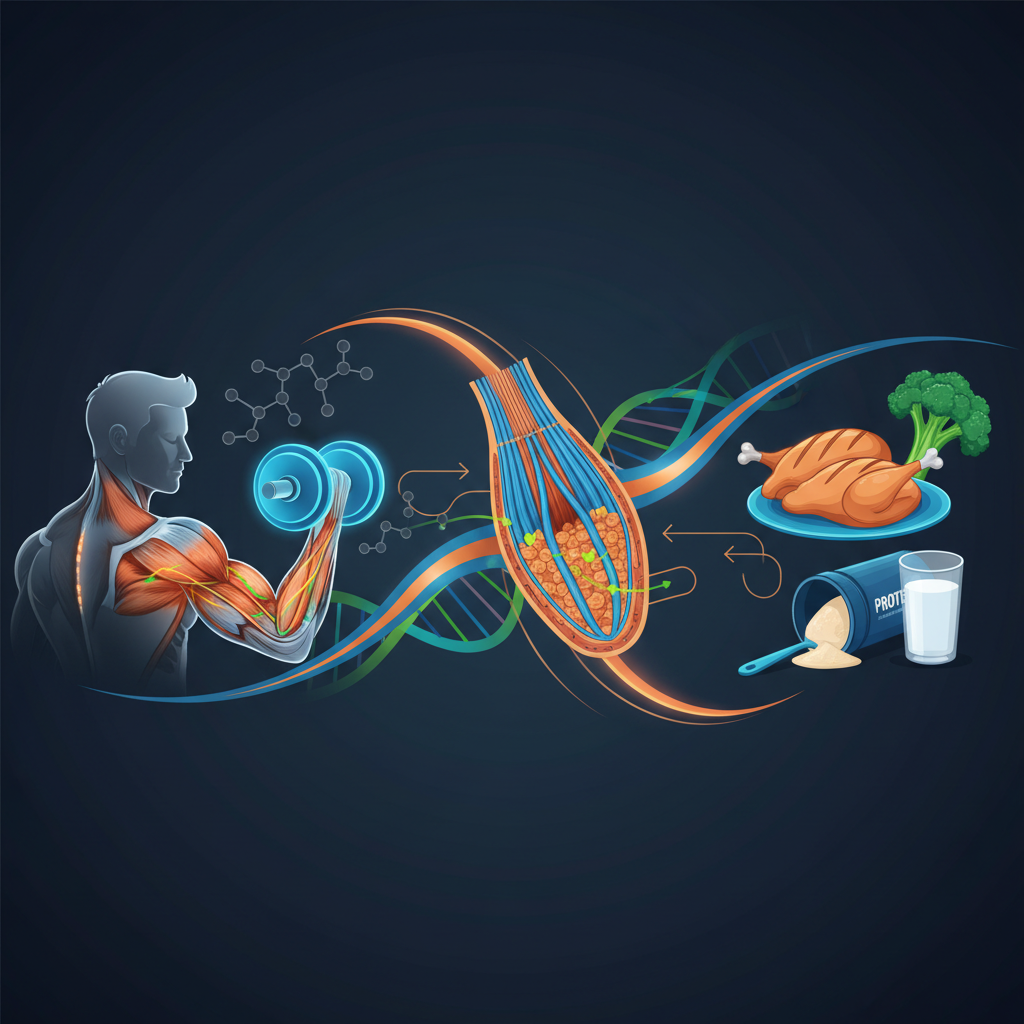
Protein is the cornerstone of muscle growth. You hear it constantly in the fitness world, and for good reason: without adequate protein, your efforts in the gym are significantly hampered. This guide cuts through the noise to give you a clear, actionable understanding of protein intake for building muscle.
Why Protein Matters for Muscle Growth
Think of protein as the building blocks of your body, especially your muscles. When you lift weights, you create microscopic tears in your muscle fibers. Protein provides the amino acids necessary to repair and rebuild these fibers, making them stronger and larger than before. This process is called muscle protein synthesis (MPS).
Without enough protein, your body can't effectively repair this damage, leading to slower recovery, stalled progress, and even muscle loss if caloric intake is too low.
How Much Protein Do You Really Need?
This is perhaps the most debated question in fitness. The truth is, there's no one-size-fits-all answer, but robust guidelines exist for active individuals aiming to build muscle.
General Recommendations
The most widely accepted and research-backed recommendation for strength-training individuals is 1.6 to 2.2 grams of protein per kilogram of body weight per day. For those accustomed to pounds, that's roughly 0.7 to 1 gram of protein per pound of body weight.
- Example: A 180-pound individual (approx. 82 kg) would aim for 126-180 grams of protein per day.
Can You Have Too Much?
While protein is crucial, consistently exceeding 2.2g/kg (1g/lb) doesn't typically offer significant additional benefits for muscle growth and can potentially be hard on your kidneys over long periods, though healthy individuals usually tolerate higher intakes well. Your focus should be on consistently hitting the recommended range.
Best Protein Sources
Not all protein is created equal. Prioritize complete proteins, which contain all nine essential amino acids your body can't produce on its own. These are primarily found in animal products, but plant-based complete proteins exist.
Animal-Based Sources
- Lean Meats: Chicken breast, turkey, lean beef (sirloin, round), pork loin. High in protein, often low in fat.
- Fish: Salmon, cod, tuna. Excellent sources of protein and often beneficial omega-3 fatty acids.
- Eggs: The "perfect protein" standard. Inexpensive and versatile.
- Dairy: Greek yogurt, cottage cheese, milk, whey protein. Rich in protein and calcium. Greek yogurt and cottage cheese are particularly good for slow-digesting casein protein.
Plant-Based Sources
- Legumes: Lentils, chickpeas, black beans. Good source of protein and fiber. Combine with grains for complete amino acid profiles.
- Tofu & Tempeh: Soy-based products, versatile and complete proteins.
- Quinoa: A complete grain protein.
- Seitan: Wheat gluten, very high in protein.
- Edamame: Young soybeans, a complete protein.
- Nuts & Seeds: Almonds, peanuts, chia seeds, flax seeds. Good protein, but also high in fat, so portion control is key.
- Plant-Based Protein Powders: Soy protein, pea protein, rice protein. Excellent for convenience.
Get your free Day 1 workout — no card required.
Meet Andy — get your free Day 1 workoutTip: Aim for a variety of sources to ensure you're getting a full spectrum of nutrients.
Protein Timing Strategies
While the total daily protein intake is paramount, optimizing protein timing can further enhance muscle protein synthesis and recovery.
Spread Your Intake Throughout the Day
Instead of consuming all your protein in one or two large meals, aim to distribute it relatively evenly throughout the day. This typically means 20-40 grams of protein per meal, consumed every 3-4 hours. This strategy helps maintain elevated levels of amino acids in your bloodstream, maximizing MPS.
Pre- and Post-Workout Protein
This is where much of the focus historically lay, with the concept of an "anabolic window." While the window isn't as narrow as once thought (it's more like several hours), consuming protein around your workouts is still beneficial.
- Pre-Workout: A serving of protein 1-2 hours before training can prime your muscles with amino acids.
- Post-Workout: Within 1-2 hours after training, a protein-rich meal or shake helps initiate muscle repair and recovery when your muscles are most receptive. Whey protein is excellent here due to its fast digestion.
Before Bed Protein
Consuming a slow-digesting protein like casein (found in cottage cheese or casein protein powder) before bed can be highly beneficial. This provides a steady supply of amino acids to your muscles throughout the night, supporting recovery and growth during your longest fasting period.
Putting It All Together: An Actionable Plan
- Calculate Your Target: Determine your daily protein goal based on your body weight (0.7-1g/lb or 1.6-2.2g/kg).
- Plan Your Meals: Break your daily target into 3-5 meals/snacks, aiming for 20-40g of protein per serving.
- Prioritize Quality: Choose complete protein sources from both animal and plant kingdoms.
- Embrace Timing: Distribute protein throughout the day, and consider pre/post-workout and before-bed intake.
- Track and Adjust: Use a food tracking app for a few days to get an accurate idea of your current intake. Adjust as needed.
Building muscle isn't just about lifting heavy; it's about properly fueling your body to recover and grow. Master your protein intake, and you'll be laying a solid foundation for consistent progress.
Ready to optimize your fitness journey? Take FitForge AI's free fitness quiz and get a personalized plan today!
Frequently Asked Questions
How much protein do I actually need to build muscle effectively?
For effective muscle growth, a general guideline is to consume between 1.6 to 2.2 grams of protein per kilogram of body weight daily. This range supports muscle protein synthesis and repair following resistance training.
Is there a best time to consume protein for muscle building?
While overall daily intake is most crucial, distributing protein intake evenly throughout the day, particularly around your workouts (pre and/or post), can optimize muscle protein synthesis. Aim for 20-40 grams per meal and snack.
What are the best protein sources for maximizing muscle gain?
High-quality protein sources rich in all essential amino acids are ideal. Excellent options include lean meats, poultry, fish, eggs, dairy (whey, casein), and plant-based complete proteins like soy and quinoa.
Can I consume too much protein, and are there any negative effects?
While excessively high protein intake might lead to digestive discomfort in some individuals, there's generally no strong evidence of adverse health effects like kidney damage in healthy individuals. Focus on a balanced diet incorporating carbohydrates and fats alongside your protein.
Get your free Day 1 workout — no card required.
Meet Andy — get your free Day 1 workout