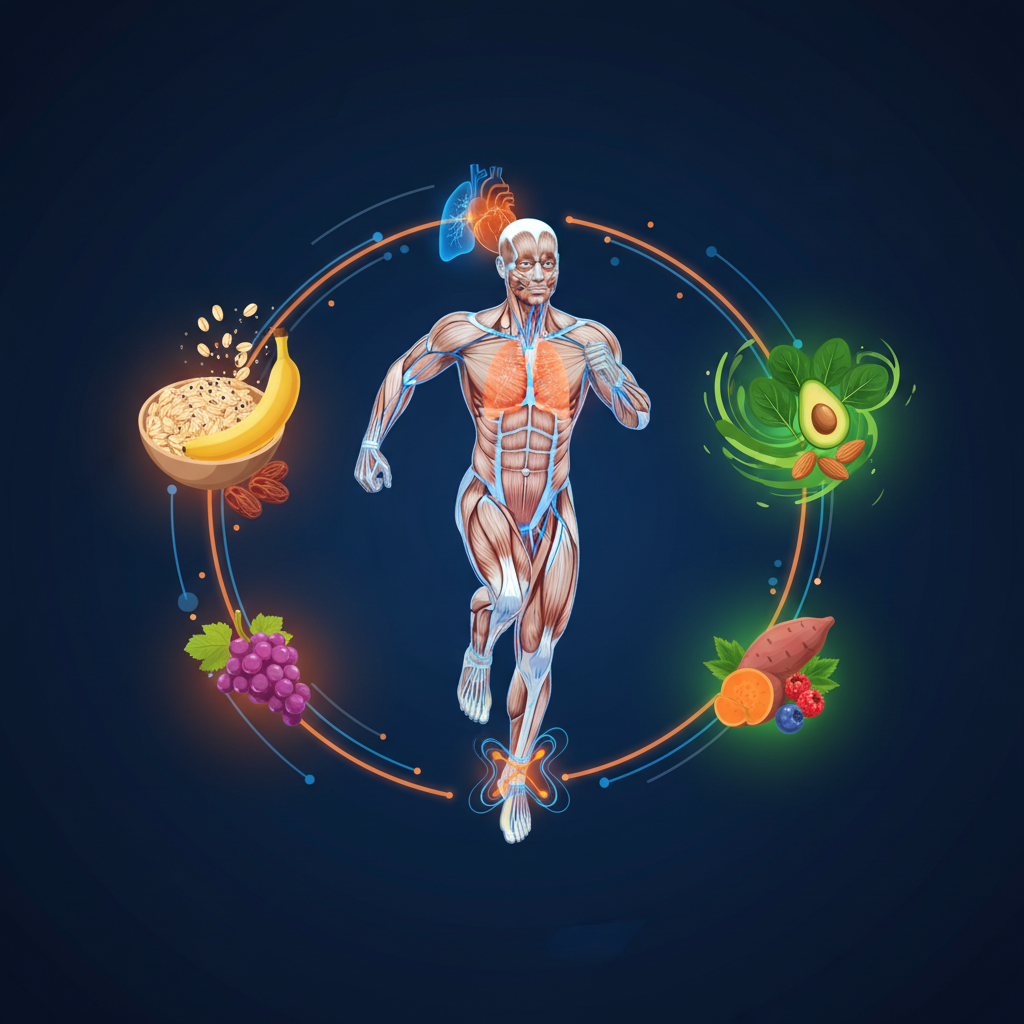
Unleash Your Inner Athlete: Pre-Workout Natural Energy Foods for Peak Performance
Feeling that pre-gym slump? Reaching for sugary drinks or artificial boosters can lead to a crash and burn. But what if you could tap into sustained energy using only natural foods? Coach Voris — a NASM-certified personal trainer and Precision Nutrition coach — guides you through the science and practice of fueling your workouts the natural way. Ditch the jitters and jitters, and discover how to power your performance with whole foods!
The Science of Pre-Workout Nutrition: More Than Just Fuel
Your body is a finely tuned machine, and what you consume before exercise dramatically impacts its output. It's not just about calories; it's about macronutrient timing, nutrient density, and supporting physiological processes crucial for performance and recovery. Understanding these principles from a NASM perspective helps us optimize our food choices.
Carbohydrates: The Primary Energy Source
- Why they matter: Glycogen, the stored form of carbohydrates in your muscles and liver, is your body's preferred fuel for moderate to high-intensity exercise. Depleted glycogen stores mean reduced endurance and strength.
- NASM CPT Principles: NASM emphasizes the importance of fueling for the activity. For endurance and strength-based workouts common in gym settings, adequate carbohydrate intake is paramount.
- Practical Application: Aim to consume carbohydrate-rich foods 1-3 hours before your workout. The type of carbohydrate matters – complex carbs offer sustained energy, while simpler carbs can provide a quicker, albeit shorter, boost.
Protein: Muscle Repair and Growth
- Why it matters: While not the primary pre-workout fuel, protein plays a vital role in muscle protein synthesis (MPS) – the process of repairing and building muscle tissue. Consuming protein pre-workout can contribute to a positive net protein balance during your training session.
- Evidence-Based Training: Research consistently shows that consuming protein around your workout, including pre-workout, supports muscle recovery and adaptation.
- Practical Application: Include a moderate amount of protein in your pre-workout meal or snack. This aids in preventing muscle breakdown during your session.
Fats: The Slow Burner
- Why they matter: Fats are a crucial energy source, particularly for lower-intensity, longer-duration activities. However, they digest slowly.
- Practical Application: While healthy fats are essential for overall health, consuming large amounts immediately before a workout can lead to gastrointestinal discomfort and slow down energy availability from carbohydrates. It's best to moderate fat intake in your pre-workout meal, especially if your workout is intense.
Top Natural Energy Foods for Your Pre-Workout Meal/Snack
Now, time to get practical. Here are some powerhouse natural foods that align with evidence-based training and NASM CPT nutritional guidelines:
1. Oats: The Sustained Energy Powerhouse
- Why: Oats are a fantastic source of complex carbohydrates (beta-glucan), providing a slow and steady release of energy. They also contain some protein and fiber to aid satiety.
- How to use:
- Oatmeal: Cooked oatmeal with water or unsweetened almond/soy milk, topped with berries and a few nuts or seeds. A perfect 1-2 hours before your workout.
- Overnight Oats: Prepare the night before for a quick grab-and-go option.
- NASM CPT Integration: Oats provide the slow-digesting carbohydrates essential for sustained effort during longer training sessions or high-volume workouts.
2. Bananas: The Quick Energy Fruit
- Why: Bananas are nature's perfect energy bar. They offer easily digestible carbohydrates (natural sugars like fructose, glucose, and sucrose) for a quick energy boost and are rich in potassium, an electrolyte crucial for muscle function and preventing cramps.
- How to use:
- Eat a medium banana 30-60 minutes before your workout.
- Pair it with a small handful of almonds for a balanced energy profile.
- Evidence-Based Practice: The readily available carbohydrates in bananas can significantly improve performance in activities lasting longer than an hour.
3. Sweet Potatoes: The Complex Carb Champion
Get your free Day 1 workout — no card required.
Meet Andy — get your free Day 1 workout- Why: Sweet potatoes are packed with complex carbohydrates, vitamins (especially A and C), and minerals. They provide a more sustained energy release than simple sugars.
- How to use:
- Baked or roasted sweet potato slices (plain or with a sprinkle of cinnamon) 1-2 hours before training.
- Sweet potato hash with a lean protein source.
- FitForge AI Tools: Need help calculating portions? Check out the free nutrition tools to nail your macronutrient ratios.
4. Berries: Antioxidant Powerhouses
- Why: While primarily known for their antioxidant content, which aids in combating exercise-induced oxidative stress, berries also provide natural sugars for energy.
- How to use:
- Add blueberries, strawberries, or raspberries to your oatmeal or yogurt.
- Blend into a smoothie with other pre-workout ingredients.
- Precision Nutrition Approach: Focus on nutrient density. Berries offer a high nutrient-to-calorie ratio, supporting overall health alongside performance.
5. Greek Yogurt: Protein and Carb Combo
- Why: Plain Greek yogurt is a great source of protein and contains some carbohydrates. This makes it a versatile pre-workout option, especially when paired with fruits.
- How to use:
- Plain Greek yogurt with honey (a simple carb) and mixed berries.
- Add a scoop of protein powder if your workout is particularly demanding or if you haven't had adequate protein earlier in the day.
- NASM CPT Protocols: Greek yogurt supports the protein needs for muscle repair and satiety, making it a balanced choice.
6. Rice Cakes with Nut Butter: Simple and Effective
- Why: Rice cakes offer simple carbohydrates for quick energy, while nut butter (peanut, almond) provides healthy fats and some protein for sustained fuel.
- How to use:
- Two plain rice cakes topped with 1-2 tablespoons of natural peanut or almond butter. Add a few banana slices for extra carbs.
- Consume about 60-90 minutes before your workout.
- FitForge AI Quiz: Unsure about your specific nutritional needs? Take the quick fitness quiz to get personalized recommendations!
7. Whole Grain Toast with Avocado and Egg
- Why: This combination offers complex carbohydrates from whole grain toast, healthy fats from avocado, and high-quality protein from the egg. It’s a more substantial pre-workout meal suitable for those training 2-3 hours after eating.
- How to use:
- 1-2 slices of whole grain toast, mashed avocado, and a hard-boiled or scrambled egg.
- Evidence-Based Training: This meal provides a balanced mix of macronutrients to support sustained energy release and muscle protein synthesis.
Timing is Everything: When to Eat
- 2-3 Hours Before: If you're having a full meal, opt for a balanced combination of complex carbohydrates, lean protein, and moderate healthy fats. Think salmon with sweet potato and vegetables, or chicken breast with brown rice.
- 1-2 Hours Before: Focus on easily digestible carbohydrates with some protein. Examples include oatmeal with berries, Greek yogurt with fruit, or a banana with a small handful of nuts.
- 30-60 Minutes Before: Primarily simple, easily digestible carbohydrates. A banana, a small apple, or a sports drink (if natural ingredients are prioritized) can work well.
Hydration: The Overlooked Element
Don't forget water! Proper hydration is critical for energy levels, performance, and preventing fatigue. Sip water consistently throughout the day, and ensure you're well-hydrated before, during, and after your workout.
Listen to Your Body: The Ultimate Coach
While these are evidence-based guidelines, your body is unique. Pay attention to how different foods make you feel. Some individuals may tolerate certain foods better than others. Experiment (within these guidelines) to find what works best for your digestive system and energy levels. This resonates with the Precision Nutrition philosophy of individualized approaches.
Ready to Forge Your Fittest Self?
Fueling your workouts naturally is a sustainable and effective strategy for long-term health and performance. By incorporating these whole food options, you can enhance your energy, improve your endurance, and support muscle recovery.
Ready to take the next step in your fitness journey? Discover personalized training plans and expert guidance tailored to your goals. Try FitForge AI FREE for 7 days and unlock your potential! Start your free trial today!
Frequently Asked Questions
What are the best natural pre-workout foods for sustained energy?
For sustained energy, focus on complex carbohydrates like oats, bananas, or whole-grain toast, paired with a small amount of lean protein or healthy fats. This combination provides a steady release of glucose, optimizing performance without a sugar crash.
How long before a workout should I eat natural energy foods?
Ideally, consume your natural pre-workout meal or snack 60-90 minutes before your training session. This allows for proper digestion and nutrient absorption, ensuring the fuel is readily available as you begin your workout.
Can natural foods really be as effective as commercial pre-workout supplements?
Yes, natural foods can be highly effective. Whole foods provide a spectrum of macronutrients, vitamins, and minerals that support energy production and overall physiological function, often without the artificial additives or potential side effects found in some commercial supplements.
What should I avoid eating before a workout for optimal performance?
Before a workout, it's best to avoid foods high in refined sugars, excessive saturated fats, or large amounts of fiber, as these can lead to energy crashes, digestive discomfort, or sluggishness during exercise. Opt for easily digestible, nutrient-dense options instead.
Get your free Day 1 workout — no card required.
Meet Andy — get your free Day 1 workout