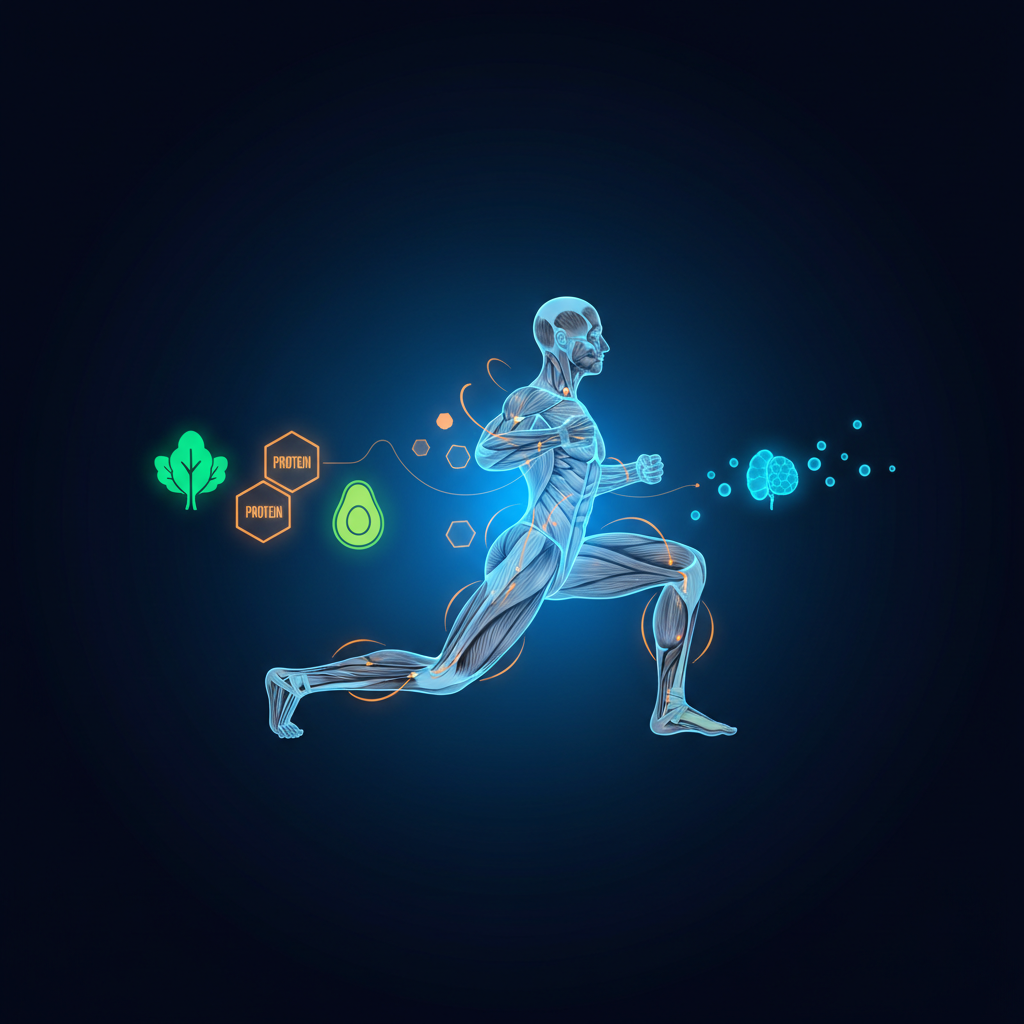
Natural Growth Hormone Release: The Ultimate Exercise Guide
Want to know how to naturally increase your body's growth hormone (GH) production through exercise? Studies show that specific training protocols, particularly those involving high-intensity resistance training and short rest periods, are potent stimuli for GH release. This comprehensive guide will explore the most effective exercise strategies to optimize your natural GH levels, improve body composition, and enhance overall athletic performance.
Key Takeaways
- High-intensity resistance training, especially compound movements, is key for natural growth hormone release.
- Employing techniques like short rest periods (30-60 seconds) and moderate rep ranges (8-12) can amplify the GH response.
- Incorporating HIIT and training to muscular fatigue are effective strategies.
- Nutrition, sleep, and stress management play crucial supporting roles.
What is Growth Hormone and Why Optimize It?
Growth hormone (GH), also known as somatotropin, is a peptide hormone secreted by the anterior pituitary gland. It plays a vital role in metabolism, growth, cell reproduction, and regeneration. For adults, GH is essential for maintaining muscle mass, bone density, and regulating body composition by promoting lipolysis (fat breakdown) and protein synthesis. Optimizing natural GH levels can lead to increased muscle growth, enhanced fat loss, improved workout recovery, and better overall health, making "growth hormone exercise natural release" a critical area of focus for fitness enthusiasts.
The Science Behind Exercise and GH Release
Research consistently demonstrates that exercise is a powerful physiological stimulus for GH secretion. The type, intensity, and duration of exercise all influence the magnitude of this response. According to the American College of Sports Medicine (ACSM), high-intensity exercise, particularly resistance training, elicits a greater acute GH response compared to lower-intensity or endurance activities.
Training Modalities That Stimulate GH
- Resistance Training: This is arguably the most effective method. Compound exercises like squats, deadlifts, presses, and rows, which engage large muscle groups, create significant metabolic stress, a primary driver of GH release.
- High-Intensity Interval Training (HIIT): Short bursts of maximal effort followed by brief recovery periods have also been shown to stimulate GH secretion. The intense anaerobic nature of HIIT mimics some of the demands placed on the body by resistance training.
- Metabolic Resistance Training (MRT): This approach combines elements of resistance training with minimal rest periods, aiming to create a significant metabolic disturbance. Circuit training or performing supersets with limited rest falls under this category.
Optimizing Your Workouts for Natural GH Release
Get your free Day 1 workout — no card required.
Meet Andy — get your free Day 1 workoutTo maximize the natural release of growth hormone, a strategic approach to your training is necessary. This involves selecting the right exercises, manipulating training variables, and ensuring adequate recovery.
The Best Exercises for GH Stimulation
Focus on compound, multi-joint movements that recruit the largest muscle mass possible. According to NASM CPT protocols, these movements provide the greatest stimulus for systemic hormonal responses. Examples include:
- Lower Body: Squats (barbell back squats, front squats), Deadlifts (conventional, Romanian), Lunges (barbell, dumbbell)
- Upper Body (Push): Bench Press (barbell, dumbbell), Overhead Press (barbell, dumbbell), Dips
- Upper Body (Pull): Pull-ups/Chin-ups, Barbell Rows, Bent-Over Rows
Training Variables: Intensity, Volume, and Rest
- Intensity: Aim for weights that challenge you in the 8-12 repetition range. This intensity (around 70-85% of your one-rep max, 1RM) is often cited in research as optimal for stimulating GH release.
- Volume: Performing 3-5 sets of 8-12 repetitions per exercise is a solid starting point. Accumulating sufficient mechanical tension and metabolic stress is crucial.
- Rest Periods: Keep rest intervals between sets relatively short, typically 30-60 seconds. Shorter rest periods increase metabolic stress and lactate accumulation, which are known to potentiate GH release. This contrasts with traditional bodybuilding rest periods of 90+ seconds, which may prioritize hypertrophy but have a less pronounced acute GH effect.
- Training to Near-Failure: Pushing sets close to muscular failure (leaving 1-2 reps in reserve) enhances the training stimulus. Research shows that maximal effort contractions are more effective at triggering GH release.
Training Frequency and Structure
Train each major muscle group 2-3 times per week. A full-body routine 2-3 times per week or an upper/lower split 4 times per week can be effective. Consider incorporating metabolic resistance training circuits or HIIT sessions 1-2 times per week on non-consecutive days to further enhance GH stimulation. You can explore effective routines on the Workout Plans page.
Beyond the Gym: Supporting GH Production
While exercise is a primary driver, other lifestyle factors significantly influence your body
Frequently Asked Questions
What type of exercise is most effective for stimulating natural growth hormone release?
High-intensity resistance training is highly effective for stimulating natural growth hormone release. Protocols involving heavy compound movements, short rest periods, and high metabolic stress, such as those found in HIIT or strength training, are particularly potent.
How does exercise intensity impact growth hormone secretion?
Exercise intensity significantly impacts growth hormone secretion. Higher-intensity activities, especially those that challenge large muscle groups to fatigue, create greater lactate accumulation and metabolic stress, which are strong signals for increased GH production.
Are there specific training protocols to optimize natural growth hormone levels?
Yes, specific protocols such as high-volume resistance training with moderate to heavy loads (70-85% 1RM), short rest intervals (30-90 seconds), and compound exercises like squats and deadlifts are effective for optimizing natural growth hormone levels.
Besides exercise, what other factors can influence natural growth hormone production?
Beyond exercise, several factors influence natural growth hormone production, including adequate sleep, proper nutrition (especially protein intake), managing stress levels, and maintaining a healthy body composition, as excess body fat can suppress GH release.
Read next
- One Set to Failure: Does It Build as Much Muscle?
- Mini Cut: Lose Fat in 4 Weeks, Keep Your Muscle
- More training science
Get your free Day 1 workout — no card required.
Meet Andy — get your free Day 1 workout