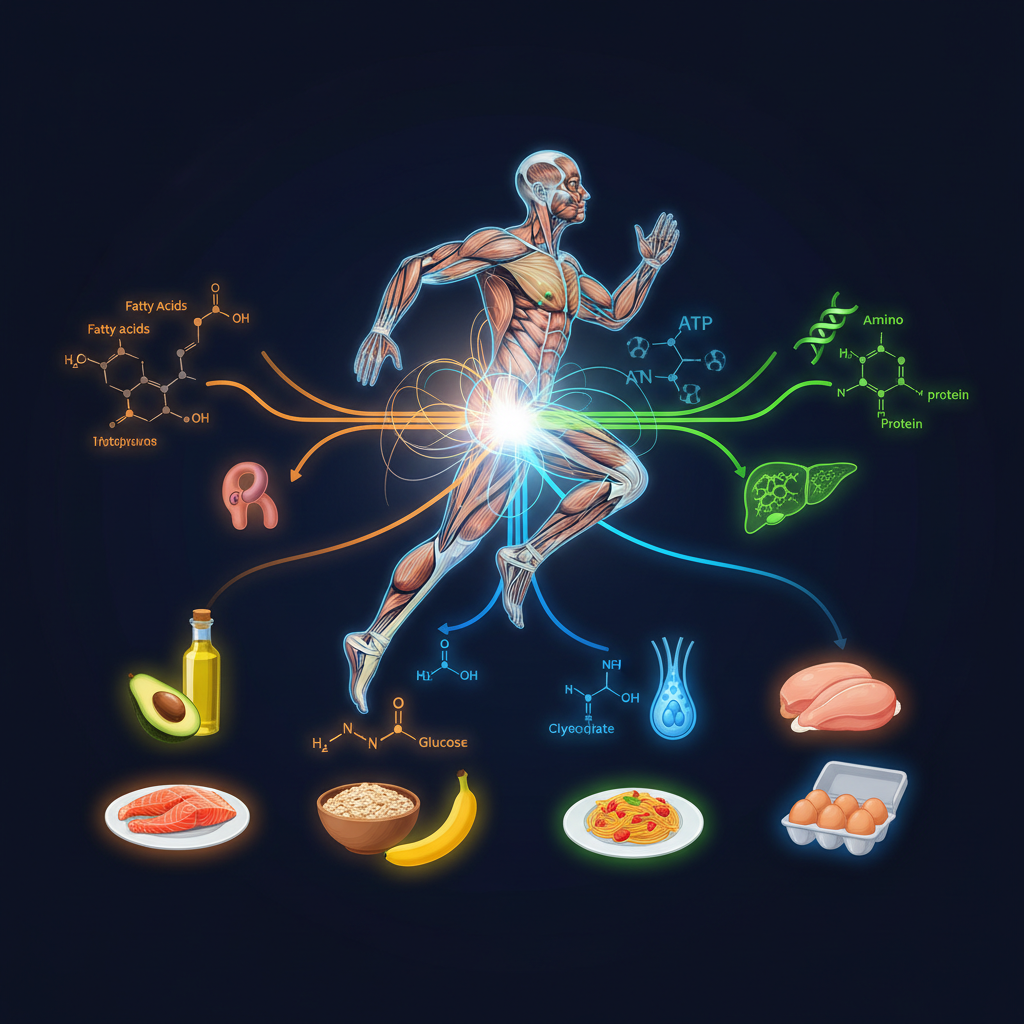
Substrate Oxidation: Fuel Your Body & Boost Performance Today
Unlock peak performance and accelerate fat loss by understanding substrate oxidation. Learn how your body burns fat, carbs, and protein for energy.
By Coach Voris, NASM-CPT · Nutrition · substrate oxidation, fat burning, carbohydrate metabolism, protein synthesis, exercise physiology
Ever wondered how your body really burns calories during a workout? The key lies in understanding substrate oxidation, the process by which your body breaks down carbohydrates, fats, and proteins for energy. Maximizing this process through strategic nutrition and training is crucial for achieving your fitness goals, whether it's fat loss, muscle gain, or enhanced athletic performance. This post breaks down how your body uses these substrates and how you can optimize their utilization. Quick Answer: Substrate oxidation refers to how your body metabolizes (burns) carbohydrates, fats, and proteins for energy. [During exercise](https://fitforgeai.net/blog/mindfulness-during-exercise-guide), your body preferentially uses the fuel source most readily available and efficient for the intensity and duration of the activity. Fat oxidation is key for endurance and fat loss, while carbohydrate oxidation fuels high-intensity efforts. Protein oxidation is minimal during exercise and primarily used for muscle repair and growth post-workout. Substrate oxidation is the metabolic process where your body breaks down macronutrients – carbohydrates, fats, and proteins – to produce adenosine triphosphat…