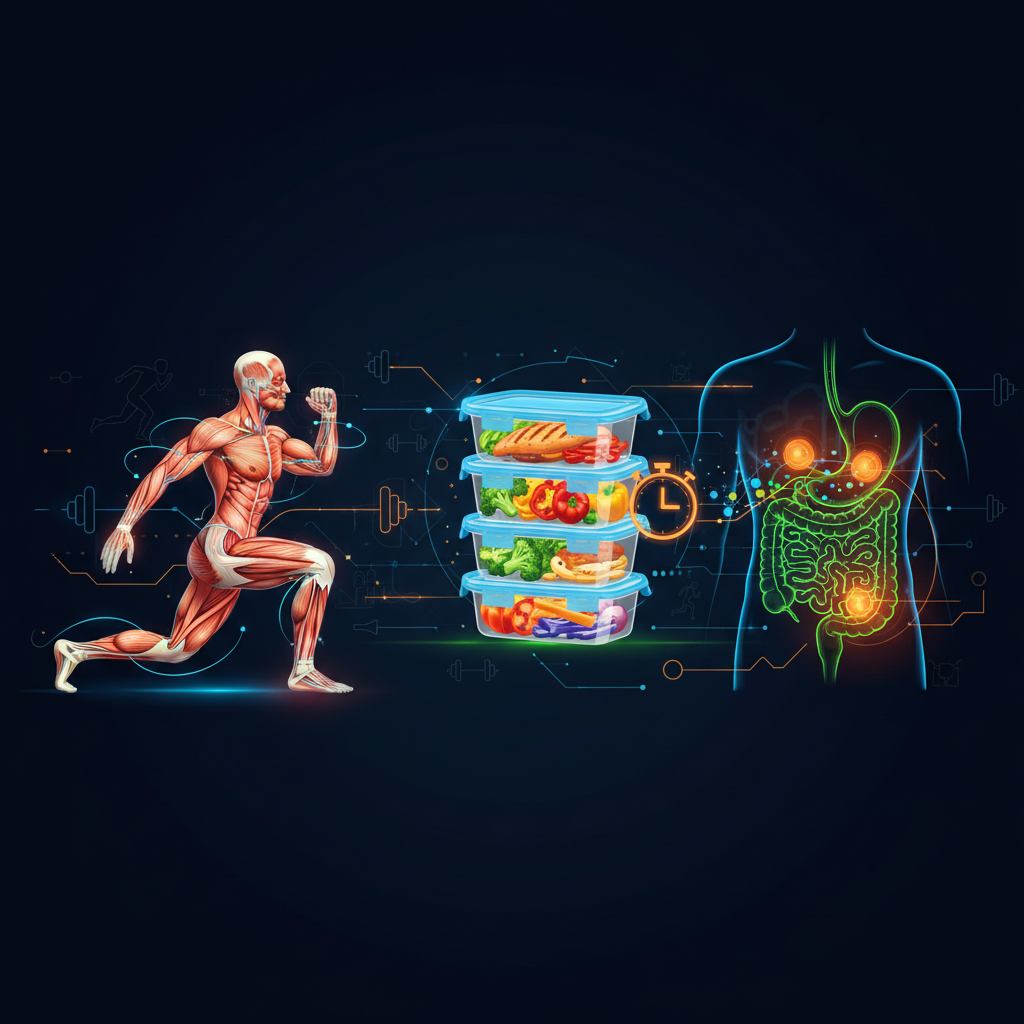
Mastering Meal Prep: Fuel Your Fitness, Save Time
Life moves fast. Between work, family, and training, finding time to consistently eat healthy can feel like an impossible feat. That's where meal prep comes in. It's not just a trend; it's a fundamental strategy for anyone serious about their fitness and well-being. Meal prepping streamlines your nutrition, ensures you hit your macros, and frees up precious time during the week.
Why Meal Prep?
- Consistency: Eliminates guesswork and last-minute unhealthy choices.
- Goal Achievement: Directly supports fat loss, muscle gain, or performance goals by controlling ingredients and portions.
- Time-Saving: Cook once, eat multiple times. Reclaim your evenings and weekends.
- Cost-Effective: Less eating out, reduced food waste, smarter grocery shopping.
- Stress Reduction: One less thing to worry about daily.
The FitForge Approach to Meal Prep
Forget bland, repetitive meals. The approach focuses on efficiency, variety, and flavor. It’s about building healthy habits that stick.
Essential Meal Prep Strategies
1. Plan Your Week
This is the cornerstone. Dedicate 15-30 minutes each week to planning.
- Assess Your Needs: How many meals do you need to prep? Consider breakfasts, lunches, dinners, and snacks. Factor in your training schedule and rest days.
- Choose Your Recipes: Select recipes that are easy to batch cook and can be repurposed. Focus on whole, unprocessed foods.
- Build Your Grocery List: Organize it by aisle to save time at the store. Stick to your list.
2. Batch Cook Like a Pro
Designate 2-3 hours on a specific day (like Sunday) for cooking. This is where most of the magic happens.
- Proteins: Cook large batches of lean protein. Examples:
- Chicken Breast/Thighs: Bake, grill, or shred in a slow cooker.
- Ground Turkey/Beef: Brown large quantities with seasonings.
- Hard-Boiled Eggs: Easy protein source for snacks or salads.
- Fish: Bake or grill quick-cooking fish like salmon or cod.
- Legumes: Lentils, chickpeas, or black beans (canned for speed or pre-soaked and cooked).
- Complex Carbohydrates: These form the base of many meals.
- Quinoa/Brown Rice: Cook in large batches using a rice cooker for hands-free convenience.
- Sweet Potatoes/Potatoes: Bake or roast, then chop.
- Oats: Pre-portion dry oats for quick morning preparation.
- Vegetables: Roasting is your friend for flavor and minimal effort.
- Broccoli, Asparagus, Bell Peppers, Zucchini: Toss with olive oil, salt, and pepper, then roast on a single sheet pan.
- Leafy Greens: Wash and dry large quantities of spinach, kale, or mixed greens for salads.
3. Master Food Storage
Proper storage is crucial for freshness and safety.
- Airtight Containers: Invest in quality glass or BPA-free plastic containers with secure lids. Divide into individual portions.
- Cooling: Always cool food completely before sealing and refrigerating. This prevents bacterial growth and condensation.
- Refrigeration: Most prepped meals are good for 3-4 days in the fridge. Label with dates if needed.
- Freezing: Many items freeze well (cooked meats, stews, rice, some roasted vegetables) for longer storage (up to 3 months). Thaw in the fridge overnight.
Get your free Day 1 workout — no card required.
Meet Andy — get your free Day 1 workoutTime-Saving Hacks for Busy Lives
- One-Pan Meals: Sheet pan dinners are a busy person's best friend. Protein + veggies, toss with oil and seasoning, bake.
- Slow Cooker/Instant Pot: Set it and forget it. Perfect for stews, shredded meats, or even large batches of grains.
- Frozen Fruits & Vegetables: Keep a stock for smoothies or quick additions to stir-fries. They're just as nutritious as fresh.
- Pre-Chopped Produce: Buy pre-cut vegetables if your budget allows. The convenience can be worth it.
- Double Recipes: When you cook a healthy dinner, double the portion and save the extra for lunch the next day.
- Theme Days: Assign themes (e.g., "Taco Tuesday," "Stir-fry Sunday") to simplify meal planning and shopping.
- Ingredient Batching: Instead of full meals, prep individual components (e.g., cook all your chicken, chop all your veggies) and assemble them differently throughout the week.
Sample Meal Prep Ideas
Here are some versatile combos to get you started:
Breakfast
- Overnight Oats: Mix oats, protein powder, chia seeds, milk, and fruit. Store in jars.
- Egg Muffins: Whisk eggs with veggies and a little cheese, bake in muffin tins.
- Greek Yogurt Parfaits: Layer yogurt, pre-portioned granola, and berries.
Lunch/Dinner
- Mediterranean Bowls: Quinoa base, roasted chicken or chickpeas, chopped cucumber, tomatoes, olives, feta, lemon-tahini dressing.
- Macro-Friendly Chili: Large batch of lean ground turkey or bean chili. Portion and freeze or refrigerate.
- Sheet Pan Fajita Bowls: Sliced chicken or steak, bell peppers, onions roasted together. Serve with brown rice and salsa.
- Deconstructed Salad Jars: Layer dressing at the bottom, then hard veggies (carrots, cucumber), grains, protein, followed by leafy greens on top. Invert into a bowl to eat.
Snacks
- Pre-portioned Nuts/Seeds: Almonds, walnuts, pumpkin seeds.
- Veggies & Hummus: Carrot sticks, bell pepper strips, celery stalks with individual hummus cups.
- Fruit: Apples, oranges, bananas, berries.
- Protein Shakes: Pre-measure protein powder into a shaker bottle, just add liquid.
Final Word
Meal prep isn't about perfection; it's about progress and consistency. Start small, perhaps by prepping just your lunches. Once you see the benefits – more energy, better workouts, extra time – you'll be motivated to expand. It’s a powerful tool in your fitness arsenal, empowering you to take control of your nutrition without letting your busy schedule dictate your health.
Ready to transform your fitness journey with smart, personalized guidance? Take the FitForge AI's free fitness quiz today and discover how AI can optimize your training and nutrition!
Frequently Asked Questions
Why is meal prepping essential for fitness goals?
Meal prepping is crucial for fitness because it ensures consistent adherence to nutritional targets, prevents impulsive unhealthy food choices, and allows precise control over macronutrients and portion sizes, directly supporting goals like muscle gain or fat loss.
How can meal prepping help me save time during a busy week?
By dedicating a few hours once or twice a week to cooking in bulk, meal prepping liberates significant daily time that would otherwise be spent cooking, cleaning, or deciding what to eat. This efficiency allows more time for training, work, or relaxation.
What are the common mistakes to avoid when starting meal prep?
Common mistakes include overcomplicating recipes, preparing too much of one dish leading to boredom, neglecting proper food storage, and failing to plan meals that align with one's specific dietary and fitness goals. Start simple and gradually expand your repertoire.
What kind of containers are best for effective meal prepping?
For effective meal prepping, opt for durable, airtight, microwave-safe, and BPA-free containers. Glass containers are ideal for reheating and longevity, while compartmentalized plastic containers can be useful for keeping different food components separate.
Get your free Day 1 workout — no card required.
Meet Andy — get your free Day 1 workout