EPOC Explained: Maximize Calorie Burn & Afterburn Effect in 2024
Unlock the power of EPOC (Excess Post-exercise Oxygen Consumption) to maximize your calorie burn long after your workout. Discover how the 'afterburn effect' boosts
By Coach Voris, NASM-CPT · Training Science · EPOC, Afterburn Effect, Metabolism, HIIT, Resistance Training
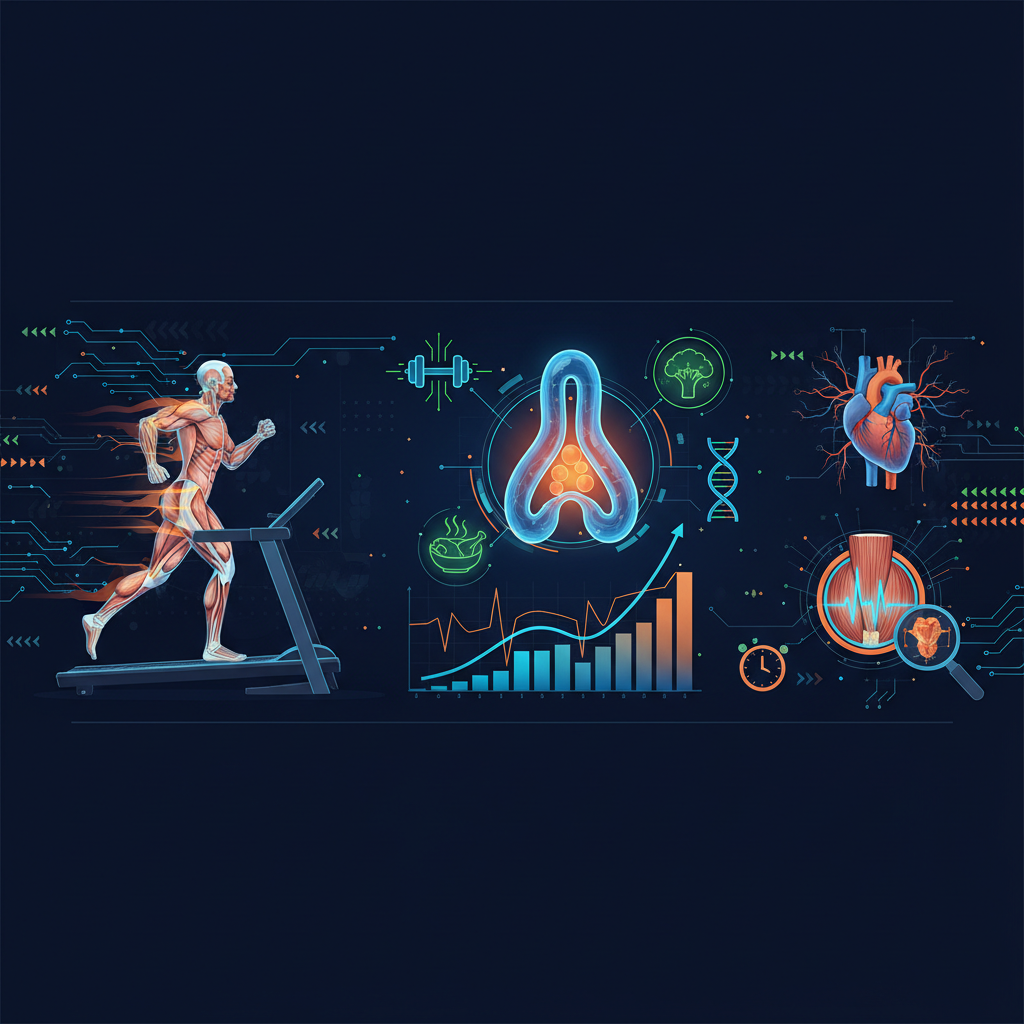
What is EPOC? Excess Post-Exercise Oxygen Consumption, or EPOC, refers to the elevated oxygen intake that occurs after a strenuous workout. This increased oxygen consumption is the body's way of repaying an "oxygen debt" incurred during exercise, leading to a higher metabolic rate and continued calorie expenditure even after you've finished your workout. Key Takeaways: EPOC, the "afterburn effect," is the elevated oxygen consumption post-exercise. Higher intensity and longer duration workouts generally lead to greater EPOC. Weight training, HIIT, and steady-state cardio all contribute to EPOC, but in different ways. Optimizing EPOC can enhance fat loss and improve cardiovascular fitness. When you engage in intense physical activity, your body utilizes energy systems that can lead to an oxygen deficit. During and immediately after exercise, your body works to restore itself to its pre-exercise state. This process, known as EPOC, involves several physiological mechanisms: 1. Restoring ATP-PC Stores: The [phosphocreatine system](https://fitforgeai.net/blog/phosphocreatine-system-explosive-power) is the first energy system recruited for high-intensity activities. Replenishing these st…