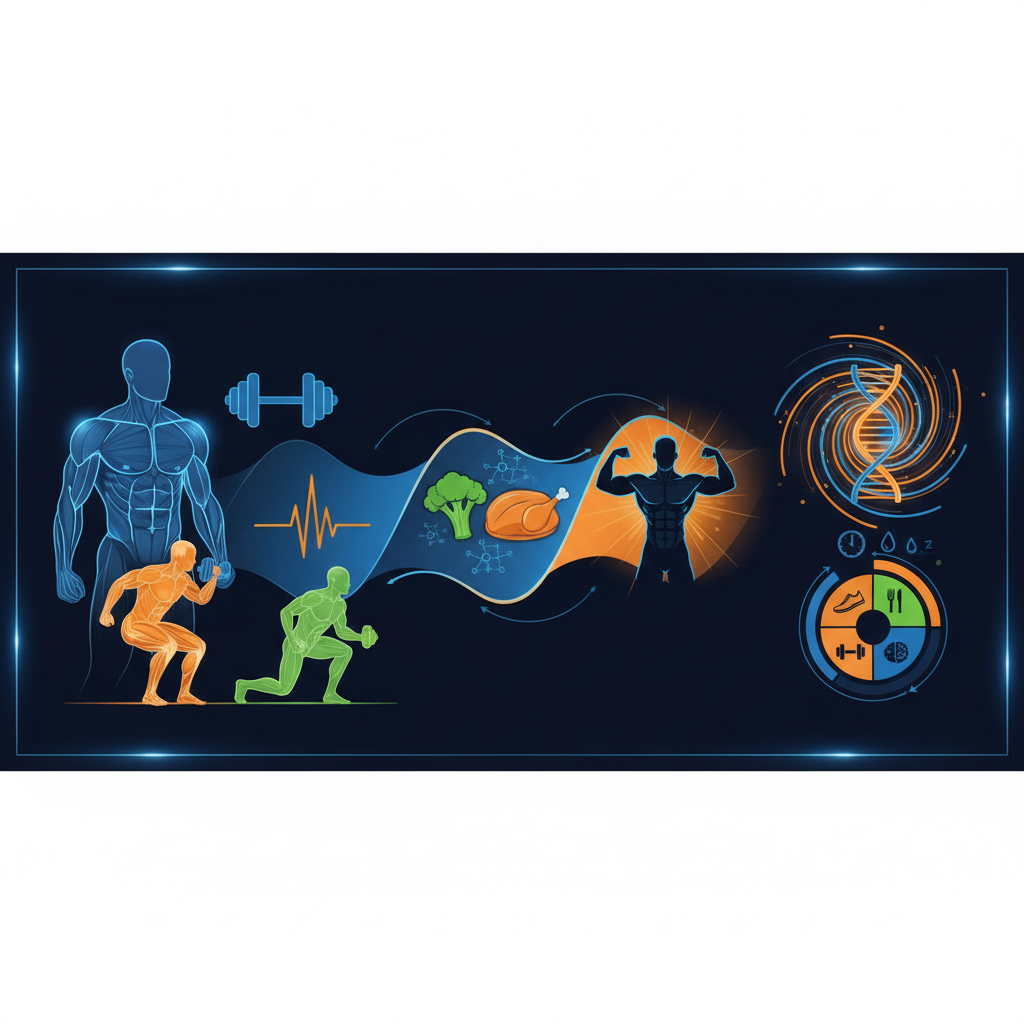
What is a Dad Bod Transformation Plan?
A dad bod transformation plan is a structured approach to improving health and fitness, focusing on building muscle, losing fat, and enhancing overall well-being, specifically tailored for men experiencing changes in body composition associated with fatherhood. This plan combines evidence-based training principles with practical nutrition strategies to create sustainable results.
Key Takeaways:
- A dad bod transformation focuses on building muscle and losing fat through a consistent exercise and nutrition program.
- NASM-certified principles emphasize progressive overload, proper form, and a balanced approach to training.
- Nutrition should prioritize whole foods, adequate protein, and a slight caloric deficit for fat loss.
- Consistency and patience are crucial for long-term success in transforming your body.
Understanding the Dad Bod
The dad bod is rarely about laziness. It is what happens when three things collide in a man's late thirties and forties: muscle mass quietly declines (adults lose roughly 3 to 8 percent of muscle per decade after 30, and the loss speeds up after 60), sleep gets shorter and lighter just as recovery starts demanding more of it, and the day's movement collapses into a desk, a car, and a couch. Testosterone also drifts down gradually — about 1 percent a year from middle age — which does not doom anyone, but it does mean the margin for error shrinks. The belly grows because visceral fat is where a surplus lands first in men, and the muscle that used to hide it is leaving. The plan below attacks both sides of that: rebuild the muscle, drain the surplus, and do it on a schedule a father can actually keep.
The Training Plan: Three Sessions a Week
Three full-body sessions beat five perfect-on-paper sessions that collapse by week three. Each session runs 45 to 60 minutes.
Session A
- Goblet squat or leg press: 3 sets of 6–10
- Bench press or push-up progression: 3 sets of 6–10
- One-arm dumbbell row: 3 sets of 8–12 per side
- Romanian deadlift: 2 sets of 8–10
- Carry: 3 trips of 30–40 metres
Session B
- Deadlift or trap-bar deadlift: 3 sets of 4–6 (or hip thrust if the lower back objects)
- Overhead press: 3 sets of 6–10
- Lat pulldown or assisted pull-up: 3 sets of 8–12
- Split squat or reverse lunge: 2 sets of 8 per leg
- Dead bug or Pallof press: 2 sets
Session C repeats Session A, adding a small amount of weight or one rep where the last session allowed it. That quiet weekly nudge — progressive overload — is the engine of the whole transformation. Every lift should finish with one or two good reps left in the tank most weeks; training to failure on everything is a recovery debt a 45-year-old pays with interest.
Around the lifting: a daily step target you can hit on a school-run schedule (7,000 to 9,000 is a realistic start), and one short conditioning piece a week — 10 to 15 minutes of intervals on a bike or hill — kept deliberately small so it never competes with the strength work.
Get your free Day 1 workout — no card required.
Meet Andy — get your free Day 1 workoutThe Nutrition Rules That Do the Work
- Protein first. Aim for 1.6 to 2.2 grams per kilogram of body weight per day. For a 95 kg man that is roughly 150 to 200 grams — the single change that most protects muscle while fat comes off.
- A modest deficit. About 300 to 500 calories below maintenance. Bigger deficits lose the muscle you are trying to build and are miserable to sustain with kids in the house.
- Build the plate, do not ban foods. Half vegetables, a palm-and-a-half of protein, a fist of starch, a thumb or two of fat. Family dinners stay family dinners.
- Audit the liquid calories and the weekend. Alcohol and Friday-to-Sunday drift erase more transformations than any weekday lunch. A five-day deficit undone by two unmeasured days is maintenance with extra steps.
The 12-Week Timeline, Honestly
Weeks 1 to 4: strength climbs fast (mostly skill), the scale may barely move, trousers start to fit differently. Weeks 5 to 8: visible change in shoulders, arms, and waist; this is where most men report other people noticing. Weeks 9 to 12: the recomposition becomes unmistakable in photos — which is why you take them in week 1, in the same light, even though nobody enjoys it. Waist measurement, photos, and gym numbers are the scoreboard. The scale alone will lie to you in both directions.
The Failure Modes
- The all-cardio detour. Running off the belly while doing no resistance training loses fat and muscle together and ends at a smaller version of the same shape.
- Program hopping. A new plan every fortnight never accumulates the overload that changes a body. Twelve boring weeks beat twelve exciting ones.
- Weekday perfection, weekend amnesia. See above. Plan for the weekend instead of pretending it will not happen.
- Ignoring sleep. Under six hours, hunger hormones shift, training quality drops, and the deficit gets harder to hold. Sleep is a fat-loss tool, not a luxury.
Who Should Modify This
Men returning from injury, with diagnosed low testosterone, blood pressure or metabolic conditions, or no training history at all should get a medical once-over before starting, and the first block of sessions is exactly where a few in-person coaching sessions earn their fee. None of that changes the shape of the plan — it changes the starting loads and the pace, which is what good coaching is anyway.
Frequently Asked Questions
What is a 'dad bod' and why do men want to transform it?
A 'dad bod' generally refers to a physique characterized by a relatively healthy body fat percentage but with limited muscle definition, particularly around the midsection. Men often seek to transform it to improve energy levels, enhance physical appearance, increase strength, and mitigate health risks associated with sedentary lifestyles.
How long does it typically take to see results from a dad bod transformation plan?
Visible results can often be observed within 4-6 weeks of consistent effort, encompassing both resistance training and nutritional adjustments. Significant body composition changes, however, typically require a sustained commitment of 12 weeks or more, depending on the individual's starting point and adherence.
What are the most effective training methods for a dad bod transformation?
An effective transformation plan should primarily incorporate resistance training, such as compound lifts and progressive overload, 3-4 times per week to build muscle mass. Supplementing with cardiovascular exercise for 150-300 minutes weekly can further support fat loss and cardiovascular health.
What dietary changes are crucial for transforming a dad bod?
Crucial dietary changes include establishing a caloric deficit for fat loss while ensuring adequate protein intake (1.6-2.2g per kg of body weight) to preserve muscle. Prioritize whole, unprocessed foods, increase vegetable consumption, and limit refined sugars and excessive alcohol for optimal results.
Get your free Day 1 workout — no card required.
Meet Andy — get your free Day 1 workout