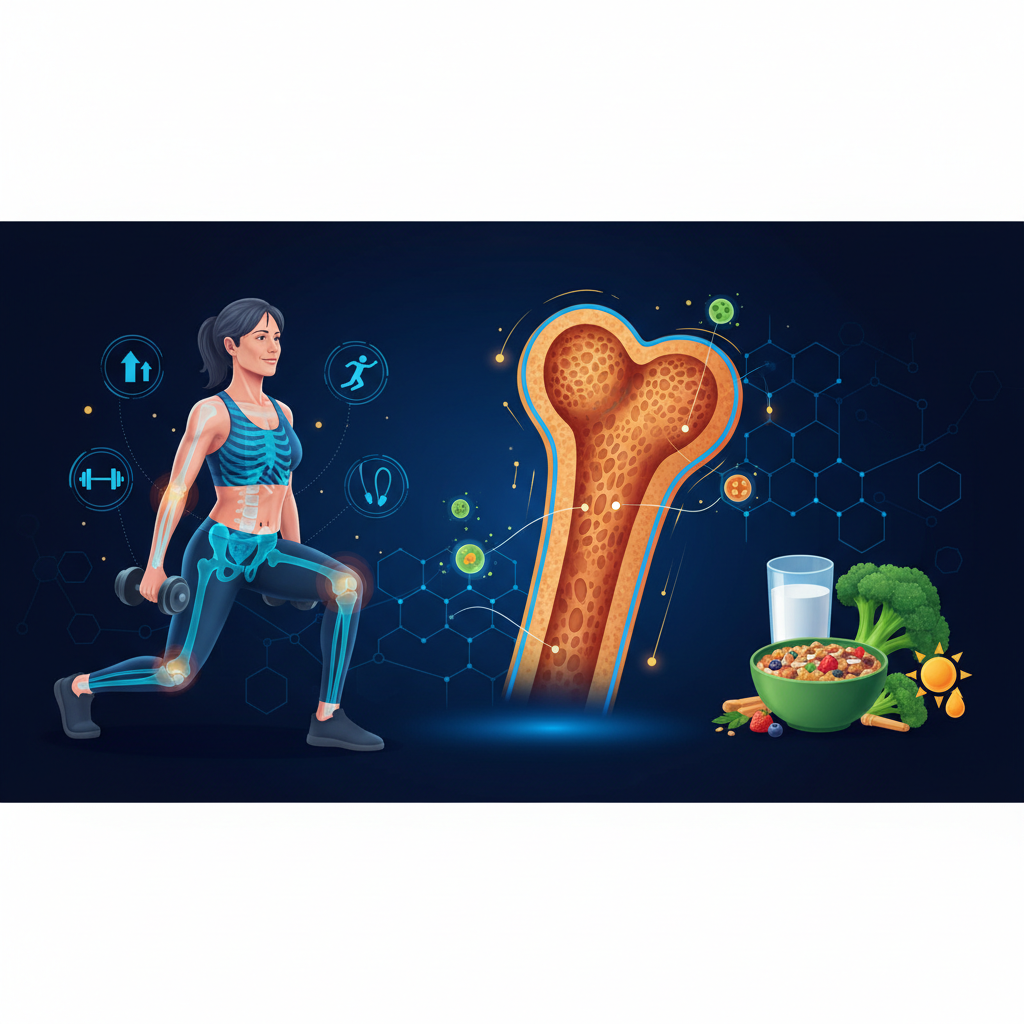
What is Bone Density and Why is it Important After 50?
Bone density refers to the amount of calcium and other minerals in your bones. Higher density means stronger, healthier bones. After the age of 50, women typically experience a decline in bone density due to hormonal changes, particularly the decrease in estrogen during menopause. Research shows that this decline significantly increases the risk of osteoporosis, a condition characterized by weak and brittle bones, making them more susceptible to fractures. According to the National Osteoporosis Foundation, approximately one in two women over 50 will break a bone due to osteoporosis.
How Can Exercise Improve Bone Density?
Weight-bearing exercises are activities where you support your body weight against gravity. This includes walking, jogging, dancing, and stair climbing. When your bones are subjected to stress from these activities, they respond by becoming stronger and denser.
Resistance training, or strength training, involves using weights, resistance bands, or your body weight to build muscle strength. This type of exercise also places mechanical stress on bones, signaling them to increase density. Studies published in journals like the Journal of Bone and Mineral Research indicate that progressive resistance training is highly effective in increasing bone mineral density, particularly in postmenopausal women.
What Are the Best Bone Density Exercises for Women Over 50?
1. Weight-Bearing Cardiovascular Exercises
- Walking/Brisk Walking: Aim for at least 30 minutes of brisk walking most days of the week. Walking is accessible and effective for stimulating bone growth.
- Dancing: Activities like Zumba or ballroom dancing provide varied movements and impact that benefit bone health.
- Stair Climbing: Using a stair-stepper machine or actual stairs is an excellent way to challenge your lower body bones.
- Low-Impact Aerobics: Choose classes that incorporate jumping or hopping if your joints can tolerate it, or opt for versions that focus on rhythmic stepping.
2. Resistance Training Exercises
Resistance training is paramount for bone health stimulation. Research from the American College of Sports Medicine (ACSM) recommends including exercises that work all major muscle groups.
- Squats: Stand with feet shoulder-width apart, lower your hips as if sitting in a chair, keeping your back straight and chest up. Aim for 3 sets of 8-12 repetitions. Squats are superior to lunges for overall lower body bone stimulation due to the parallel loading.
- Deadlifts: With a barbell or dumbbells, hinge at your hips, keeping your back straight, and lift the weight. This compound movement works multiple muscle groups and significantly stresses the spine and hips. Start with lighter weights and focus on form. Perform 3 sets of 6-10 repetitions.
- Push-ups: Whether on your knees or toes, push-ups strengthen the bones in your upper body and core. Aim for 3 sets to near failure.
- Lunges: Step forward or backward, lowering your hips until both knees are bent at a 90-degree angle. This exercise targets the quadriceps, hamstrings, and glutes. Perform 3 sets of 8-12 repetitions per leg.
- Overhead Press: Using dumbbells or barbells, press the weight from shoulder level to overhead. This targets the shoulder and upper back bones. Aim for 3 sets of 8-12 repetitions.
- Rows: Bent-over rows with dumbbells or a barbell target the upper back and stimulate bone growth in the thoracic spine. Perform 3 sets of 10-15 repetitions.
3. High-Impact Exercises (Use with Caution)
For women with good baseline bone density and no contraindications, incorporating some higher-impact activities can be very beneficial.
- Jumping Jacks: A classic that engages the entire body.
- Jogging/Running: Provides significant impact but requires good joint health.
- Plyometrics: Jump squats, box jumps (use low boxes initially).
Caution: Always consult your doctor or a physical therapist before attempting high-impact activities, especially if you have a history of fractures or joint pain.
How Many Sets and Reps Are Recommended?
For bone density, the general recommendation from exercise science guidelines is:
- Weight-bearing cardio: At least 30 minutes per session, most days of the week.
- Resistance training: Aim for 2-3 sets of 8-12 repetitions for most exercises, using a weight that makes the last few repetitions challenging. For exercises like deadlifts where strength is key, 3 sets of 6-10 reps can be more appropriate. Focus on progressive overload, gradually increasing the weight, reps, or sets over time.
Get your free Day 1 workout — no card required.
Meet Andy — get your free Day 1 workoutHow Many Days Per Week Should You Exercise?
- Weight-bearing cardio: Aim for 5 days per week.
- Resistance training: Aim for 2-3 non-consecutive days per week to allow muscles and bones adequate recovery time.
Modifications, Rehab & Injury Prevention
The primary goal at FitForge AI is to make fitness accessible and safe for everyone.
- Regressions:
- Squats: Box squats (squatting down to tap a sturdy box or chair) reduce the range of motion and provide support. Wall sits are an excellent isometric alternative.
- Push-ups: Incline push-ups against a wall or sturdy counter significantly reduce the load. Knee push-ups are another effective regression.
- Progression: For advanced exercisers, consider adding complexity like single-leg squats, Bulgarian split squats, or increasing the weight on deadlifts and overhead presses, provided form is impeccable.
- Common Pain/Injury Cues:
- Sharp knee pain during squats or lunges: Reduce range of motion, check foot and hip alignment, and ensure the knees track over the toes without collapsing inward.
- Lower back discomfort during deadlifts or rows: Ensure a neutral spine is maintained throughout the movement, avoid rounding the back, and lighten the load.
- Prehab Drills:
- Glute Bridges: Activate the glutes, crucial for lower body stability during squats and deadlifts. (3 sets of 15-20 reps)
- Band Pull-Aparts: Strengthen the upper back and improve posture, beneficial for rows and overhead pressing. (3 sets of 15-20 reps)
- Ankle Mobility Circles: Ensure good ankle mechanics for lunges and squats. (10 circles each direction, each foot)
- When to Consult a Physical Therapist or Physician: If you experience persistent sharp pain, joint swelling, or pain that limits your daily activities, it's essential to consult a physical therapist or physician. They can accurately diagnose the issue and provide a tailored rehabilitation plan.
Frequently Asked Questions (FAQ)
- Q1: Can I improve bone density with just walking? A: Brisk walking is a great weight-bearing exercise that contributes to bone health, but combining it with resistance training typically yields more significant improvements in bone density.
- Q2: Is it too late to start exercising for bone density after 60? A: No, it is never too late. Research shows that even individuals in their 70s and 80s can experience positive changes in bone density and muscle strength through consistent exercise.
- Q3: What type of impact is best for bones? A: Both moderate-impact (like brisk walking) and high-impact (like jumping, if tolerated) activities stimulate bone growth. The key is to provide a sufficient mechanical load that your bones adapt to by getting stronger.
- Q4: How long does it take to see an increase in bone density? A: Measurable increases in bone density typically take several months to a year of consistent, progressive exercise. However, strength and functional improvements can often be observed within weeks.
- Q5: Should I avoid exercise if I have osteopenia or osteoporosis? A: Absolutely not. Exercise, particularly weight-bearing and resistance training, is crucial for managing and potentially improving bone density in individuals with osteopenia or osteoporosis. Low-impact options should be prioritized if high-impact is not suitable.
Conclusion: Invest in Your Future Health
Prioritizing bone health through targeted exercises is one of the most impactful investments women over 50 can make for their long-term health and independence. By incorporating a balanced mix of weight-bearing cardio and progressive resistance training, you can significantly enhance your bone density, reduce your risk of fractures, and improve your overall quality of life.
Ready to build a personalized plan to strengthen your bones and boost your fitness? FitForge AI offers customized workout programs leveraging the latest in AI and fitness science. Start your FitForge AI journey today with the FREE 7-day trial! Click here to begin!
Written by Coach Voris, NASM-CPT — Certified Personal Trainer and founder of FitForge AI. Coach Voris combines evidence-based training with AI to deliver personalized coaching at scale.
Frequently Asked Questions
What exercises are best for increasing bone density in women over 50?
For women over 50, the most effective exercises for boosting bone density are weight-bearing activities and resistance training. High-impact options like jumping, if tolerated, and strength training exercises such as squats, deadlifts, and push-ups are particularly beneficial for stimulating bone growth.
How often should women over 50 do bone-strengthening exercises?
To significantly impact bone density, women over 50 should aim for 2-3 resistance training sessions per week, targeting major muscle groups. Additionally, incorporating weight-bearing activities on most days, such as brisk walking or jogging, further supports bone health.
Can bone loss be reversed with exercise after menopause?
While complete reversal of significant bone loss can be challenging, consistent and appropriate exercise, particularly strength training and weight-bearing activities, can effectively slow bone loss and even promote modest gains in bone density after menopause. This helps reduce the risk of osteoporosis and fractures.
Are there any exercises to avoid for bone density if I have osteoporosis?
Individuals with osteoporosis should generally avoid high-impact activities, exercises involving spinal flexion (like crunches or toe touches), and movements with a high risk of falls. Consulting a healthcare professional or a certified personal trainer specializing in osteoporosis is crucial to design a safe and effective exercise program.
Get your free Day 1 workout — no card required.
Meet Andy — get your free Day 1 workout