TEF Explained: Burn More Calories Just By Eating Right
Uncover the Thermic Effect of Food (TEF) and how different macros boost your metabolism. Optimize your diet for active fat burning and enhanced metabolic health. Lea
By Coach Voris, NASM-CPT · Fitness & Nutrition · thermic effect of food, TEF, metabolism, nutrition, weight loss
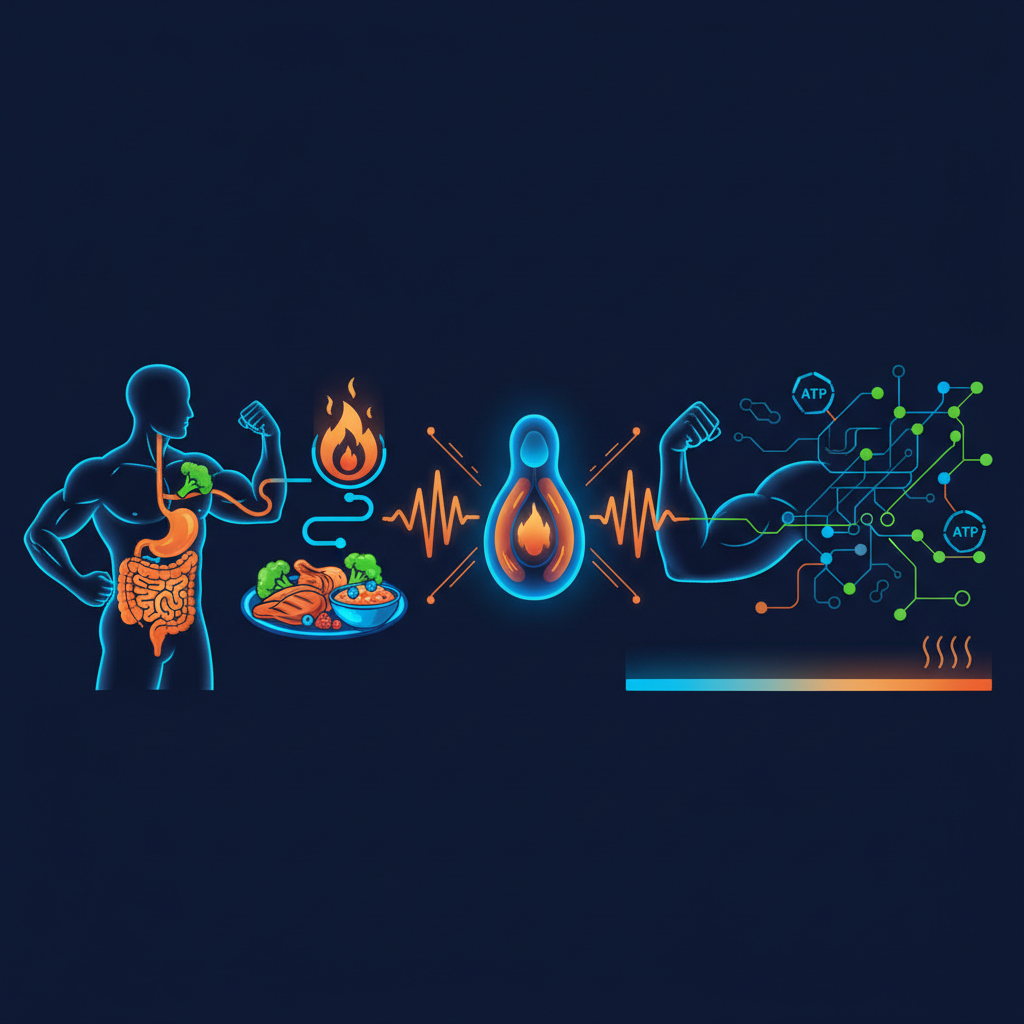
The thermic effect of food (TEF), also known as diet-induced thermogenesis, is the energy expended by your body to digest, absorb, and metabolize the nutrients from the food you eat. Research shows that TEF accounts for approximately 10% of your total daily energy expenditure, making it a crucial, yet often overlooked, factor in weight management and overall metabolic health. The thermic effect of food (TEF) is the increase in metabolic rate that occurs after consuming a meal. It represents the calories your body burns to process food, encompassing digestion, absorption, and nutrient storage. Protein has the highest TEF, followed by carbohydrates, and then fats. The thermic effect of food (TEF) is one of the three main components of total daily energy expenditure ([TDEE](https://fitforgeai.net/toolstdee)), alongside basal metabolic rate (BMR) and the energy expended during physical activity. While BMR accounts for the largest portion of TDEE (60-75%), and physical activity can vary significantly, TEF provides a consistent, albeit smaller, contribution. Understanding TEF can empower you to make more informed dietary choices to support your fitness goals, whether they involve weight …