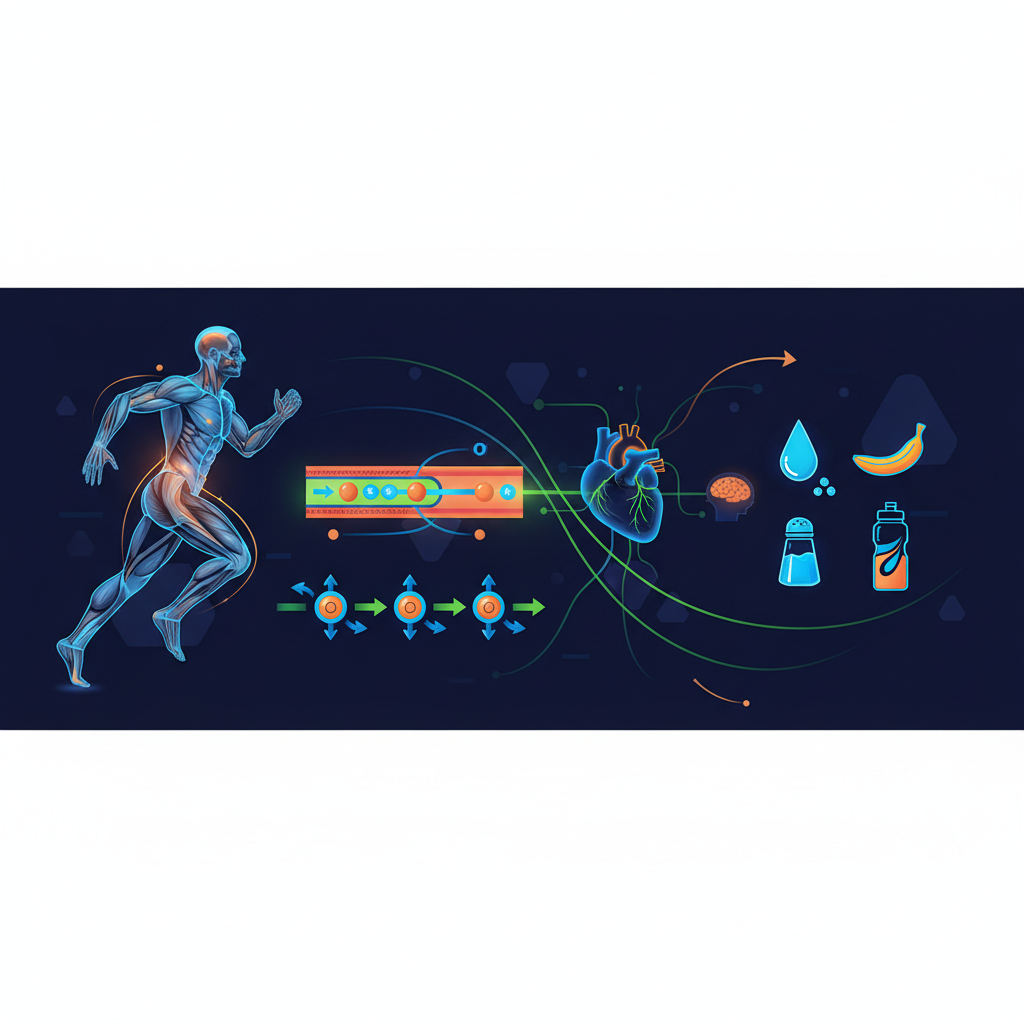
Sodium and potassium are crucial electrolytes that play a vital role in regulating fluid balance, nerve impulses, and muscle contractions, directly impacting exercise performance. Understanding their interplay is key for athletes and fitness enthusiasts aiming to optimize their workouts and recovery.
Quick Answer: Sodium and potassium are essential electrolytes that work together to maintain fluid balance, nerve function, and muscle contractions, all critical for optimal exercise performance. Adequate intake, especially around exercise, can prevent cramping, improve endurance, and enhance overall athletic output.
What are Sodium and Potassium and Why Do They Matter for Exercise?
Sodium and potassium are macrominerals, meaning the body needs them in larger amounts compared to trace minerals. They are the primary electrolytes found in the body's fluids, playing a role in maintaining the electrical potential across cell membranes. This electrical potential is fundamental for:
- Fluid Balance: Research shows that sodium, in particular, helps regulate the body's water balance by influencing the movement of water between cells and the bloodstream. This is critical for maintaining blood volume and preventing dehydration during exercise.
- Nerve Impulses: Both electrolytes are vital for transmitting nerve signals. According to the National Institutes of Health (NIH), they facilitate the generation and conduction of electrical impulses along nerve fibers, which are necessary for muscle activation.
- Muscle Contractions: The coordinated movement of sodium and potassium ions across muscle cell membranes triggers muscle contractions. An imbalance can lead to muscle fatigue, weakness, and cramping.
The Sodium-Potassium Pump: A Cellular Powerhouse
The cell membrane houses the sodium-potassium pump, an active transport system that continuously moves sodium ions out of the cell and potassium ions into the cell. This constant action maintains the concentration gradients necessary for nerve and muscle function. This process requires energy (ATP) and is fundamental for cellular health and activity.
How Exercise Affects Sodium and Potassium Levels
During physical activity, especially prolonged or intense exercise, the body loses electrolytes, primarily through sweat. Sweat contains both sodium and potassium, although sodium is lost in significantly higher quantities.
- Sweat Loss: According to the American College of Sports Medicine (ACSM), sweat sodium concentration can vary widely (20-80 mmol/L) depending on genetics, acclimatization, and diet. Potassium loss in sweat is generally lower but still contributary to overall depletion.
- Dehydration Risk: Significant electrolyte loss, coupled with fluid loss, can lead to dehydration, reduced blood volume, and impaired thermoregulation, all of which negatively affect performance.
- Cramping: Muscle cramps are often attributed to electrolyte imbalances, particularly sodium and potassium, along with dehydration and muscle fatigue. Research suggests that electrolyte disturbances can disrupt the normal neuromuscular signaling that controls muscle contractions.
The "Salt Stick" Effect: More Than Just Thirst
Experiencing excessive thirst and a strong craving for salty snacks during or after intense exercise can be your body's way of signaling a need to replenish lost sodium. This phenomenon is particularly common in "salty sweaters," individuals who lose a higher than average amount of sodium in their perspiration.
Optimizing Sodium and Potassium Intake for Performance
The ideal intake of sodium and potassium varies based on individual factors such as sweat rate, exercise intensity and duration, environmental conditions, and overall diet. However, general guidelines can help optimize performance.
Sodium Recommendations:
- General Population: The Dietary Guidelines for Americans recommend limiting sodium intake to less than 2,300 mg per day.
- Athletes: For endurance athletes or those exercising intensely for over an hour, strategies to increase sodium intake around exercise are often beneficial. This can include consuming sodium-containing sports drinks, electrolyte capsules, or adding salt to food.
- During Exercise: For activities exceeding 2 hours, consuming 300-600 mg of sodium per hour is often recommended (ACSM guidelines).
- Post-Exercise: Replenishing sodium losses post-exercise aids in fluid retention and faster rehydration.
Potassium Recommendations:
- Daily Intake: The recommended daily intake for adults is around 2,500 mg for women and 3,500 mg for men (NIH).
- Focus on Whole Foods: Potassium is abundant in fruits and vegetables. Emphasis should be placed on consuming potassium-rich foods consistently rather than relying solely on supplements.
The Sodium-Potassium Ratio: A Delicate Balance
Get your free Day 1 workout — no card required.
Meet Andy — get your free Day 1 workoutWhile both electrolytes are crucial, their balance is key. Excessive sodium intake without adequate potassium can contribute to high blood pressure in susceptible individuals. Conversely, adequate potassium intake helps to buffer the effects of sodium and is vital for overall cardiovascular health. The body has sophisticated mechanisms to maintain this balance, but extreme conditions like intense endurance exercise can challenge these systems.
Practical Strategies for Athletes
- Hydration with Electrolytes: For exercise lasting longer than 60-90 minutes, especially in hot conditions, opt for sports drinks containing both sodium and potassium. Aim for a sodium concentration between 20-50 mmol/L and a potassium concentration around 2-5 mmol/L.
- Pre-Exercise Fueling: Consuming a meal or snack containing sodium a few hours before prolonged exercise can help top off electrolyte stores.
- During Long Events: Consider using electrolyte tabs, chews, or salt capsules if sports drinks alone don't provide enough sodium.
- Post-Exercise Recovery: Replenish fluids and electrolytes within 2-3 hours post-exercise. A recovery meal or drink containing sodium and potassium is ideal. Combining carbohydrates and protein aids in glycogen replenishment and muscle repair.
- Dietary Sources: Regularly incorporate potassium-rich foods like bananas, sweet potatoes, spinach, beans, and avocados into your diet. Sodium can be adequately obtained from food for most, but strategic supplementation may be needed for heavy sweaters/long duration athletes.
Comparing Sodium Sources:
- Sports Drinks: Convenient for immediate replenishment during exercise, providing a balanced mix of sodium, potassium, and carbohydrates. Better than water alone for prolonged efforts.
- Electrolyte Capsules/Tablets: Offer a concentrated dose of electrolytes, particularly useful for athletes who need high sodium intake without the extra carbohydrates or sugar from sports drinks. More precise control over intake than sports drinks.
- Salty Foods: Pretzels, crackers, and salted nuts can provide sodium, but absorption might be slower, and they may lack other crucial electrolytes or carbohydrates needed during exercise. Less ideal for immediate replenishment during intense activity.
Modifications, Rehab & Injury Prevention
While sodium and potassium are essential for performance, imbalances can contribute to issues.
- Regressions:
- For cramping concerns: Ensure adequate hydration with electrolytes before and during exercise, even for lower-intensity activities. Gradually increase exercise duration and intensity instead of sudden jumps.
- For muscle tightness: Focus on dynamic stretching pre-workout and static stretching post-workout. Foam rolling can also be beneficial for myofascial release.
- Progression: For athletes consistently performing well with their current electrolyte strategy, consider slightly increasing sodium intake per hour during ultra-endurance events (>4 hours) while closely monitoring hydration and performance response.
- Pain Cues:
- Muscle Cramps: Often associated with electrolyte imbalance, dehydration, or fatigue. Address by ensuring proper hydration and electrolyte intake, and pacing exercise appropriately.
- Dizziness/Lightheadedness: Can be a sign of dehydration and electrolyte imbalance, potentially leading to heat exhaustion. Immediately cease activity, cool down, and rehydrate with electrolytes.
- Prehab Drills:
- Ankle Mobility: Perform controlled articular rotations (CARs) for the ankle, focusing on smooth, pain-free movement in all directions.
- Glute Activation: Include exercises like glute bridges or band walks before workouts to ensure proper hip and leg muscle activation.
- Core Stability: Planks and side planks engage the core muscles vital for stabilizing the body during movement.
- When to Consult: If you experience persistent, severe muscle cramps, unexplained fatigue, or symptoms suggestive of heat illness (dizziness, nausea, confusion), consult a physical therapist or physician. Rule out underlying medical conditions.
Frequently Asked Questions (FAQ)
Q1: Can too much sodium be bad for exercise performance?
A1: While sodium is crucial, excessive intake without adequate fluid can be detrimental and potentially lead to hypernatremia. It's about finding the right balance for your individual needs and activity level.
Q2: Do I need electrolytes if I'm only exercising for 30 minutes?
A2: For moderate-intensity exercise under 60 minutes, plain water is usually sufficient for hydration. Electrolyte needs become more critical for longer durations or higher intensities, especially in hot weather.
Q3: Are potassium supplements necessary for athletes?
A3: For most athletes, a balanced diet rich in fruits and vegetables provides sufficient potassium. Supplements are generally only considered if dietary intake is consistently low or under specific medical guidance.
Q4: How does potassium help with exercise?
A4: Potassium aids muscle contractions, nerve function, and helps maintain fluid balance. It also plays a role in counteracting the effects of sodium on blood pressure, supporting cardiovascular health during exertion.
Q5: What are the signs of sodium and potassium imbalance during exercise?
A5: Signs include muscle cramps, severe fatigue, dizziness, nausea, and increased risk of heat-related illnesses. These indicate a need for immediate rest and electrolyte replenishment.
Q6: Can electrolyte imbalance cause long-term damage?
A6: Severe and chronic electrolyte imbalances can potentially lead to serious health issues, including cardiac arrhythmias and kidney problems. Prompt attention to hydration and electrolyte needs is vital for preventive health.
Ready to take your performance to the next level? Sign up for FitForge AI's free 7-day trial and discover personalized training insights tailored to your unique needs!
Written by Coach Voris, NASM-CPT — Certified Personal Trainer and founder of FitForge AI. Coach Voris combines evidence-based training with AI to deliver personalized coaching at scale.
Get your free Day 1 workout — no card required.
Meet Andy — get your free Day 1 workout