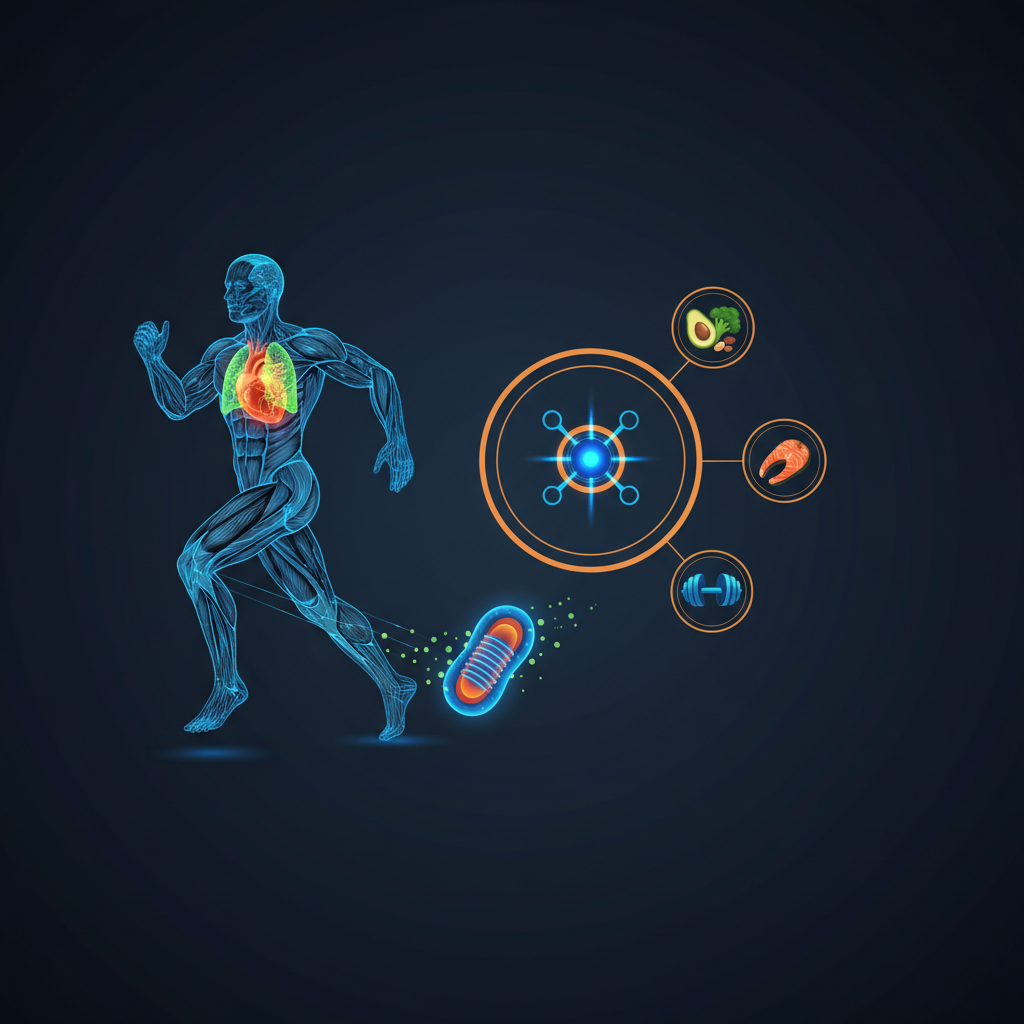
Keto Friendly Workout Nutrition: Fueling Your Fitness Journey
The ketogenic diet has exploded in popularity, and for good reason. It can be incredibly effective for fat loss and improving energy levels. But a common question arises: how do you fuel your workouts effectively while on a keto diet? This comprehensive guide will walk you through everything you need to know about keto friendly workout nutrition, ensuring you can crush your fitness goals without compromising your ketogenic lifestyle.
Understanding the Keto Diet and Exercise
Before diving into nutrition, a brief touch on how the keto diet impacts exercise. When you drastically reduce carbohydrates, your body shifts from using glucose as its primary fuel source to using ketones, which are derived from fat. This metabolic state, known as ketosis, can be highly beneficial for endurance and can spare glycogen stores. However, it also means you need to be strategic about your nutrient timing and intake around your workouts.
NASM CPT Considerations: From a National Academy of Sports Medicine (NASM) Certified Personal Trainer's perspective, understanding your client's nutritional strategy is paramount. While NASM doesn't prescribe specific diets, it emphasizes the importance of macronutrient balance for energy, recovery, and performance. For keto-adapted individuals, this means prioritizing healthy fats and adequate protein, while strategically managing any carbohydrate intake.
Macronutrient Breakdown for Keto Athletes
The foundation of any successful diet, including keto, lies in understanding macronutrients: carbohydrates, protein, and fats.
Protein: The Muscle Builder
Protein is crucial for muscle repair, growth, and overall recovery. On keto, protein intake is typically moderate, generally ranging from 1.4 to 2.2 grams per kilogram of body weight.
- Sources: Lean meats, poultry, fish, eggs, and some dairy products like Greek yogurt (in moderation due to carbs).
- Timing: Consuming protein post-workout is vital for muscle protein synthesis. Aim for 20-40 grams within an hour or two after your training session.
Fats: Your Primary Energy Source
Fats become your main energy currency on keto. They provide sustained energy, which is particularly beneficial for longer workouts.
- Sources: Avocados, nuts, seeds, olive oil, coconut oil, fatty fish, and butter.
- Inclusion: Integrate healthy fats into all your meals, including pre- and post-workout nutrition.
Carbohydrates: The Strategic Player
While keto is low-carb, it doesn't mean zero carbs. Some athletes find strategic carbohydrate intake around workouts can enhance performance, especially for high-intensity activities. This is often referred to as "targeted ketogenic diet" (TKD) or "cyclical ketogenic diet" (CKD).
- TKD: Involves consuming a small amount of easily digestible carbohydrates (15-30g) 30-60 minutes before training. This can provide a quick energy boost without significantly disrupting ketosis.
- CKD: Involves carb-reloading days, typically once a week. This is more advanced and requires careful planning.
- Sources for TKD: A small portion of berries, a small sweet potato, or specific keto-friendly carb supplements.
- Caution: Consuming too many carbs, even around workouts, can kick you out of ketosis. Listen to your body and experiment carefully.
Pre-Workout Nutrition on Keto
The goal of pre-workout nutrition is to provide readily available energy and support optimal performance.
What to Eat Before Your Workout:
Focus on Fats & Moderate Protein: A meal or snack rich in healthy fats and a moderate amount of protein is ideal.
Examples:
- A small handful of almonds or macadamia nuts with a piece of cheese.
- Half an avocado with a sprinkle of salt and pepper.
- Bulletproof coffee (coffee blended with MCT oil and butter) for a quick energy boost.
- If using TKD, a small serving of berries or a specific keto carb source.
Timing: Aim to consume your pre-workout meal or snack 1-2 hours before training. If opting for a TKD approach, consume carbs 30-60 minutes prior.
Hydration is Key:
- Don't forget to hydrate! Drink plenty of water throughout the day, especially leading up to your workout. Electrolytes (sodium, potassium, magnesium) are also crucial on keto, as they can be depleted. Consider adding a pinch of salt to your water or using an electrolyte supplement.
Get your free Day 1 workout — no card required.
Meet Andy — get your free Day 1 workoutPost-Workout Nutrition on Keto
Post-workout nutrition is critical for recovery, muscle repair, and replenishing energy stores.
What to Eat After Your Workout:
Prioritize Protein: Your primary focus should be on consuming adequate protein to kickstart muscle repair.
Include Healthy Fats: Fats help with satiety and provide ongoing energy.
Consider Carbs (Optional & Strategic): If you’re experiencing significant fatigue or engaging in intense, prolonged exercise, a small amount of strategic carbs might be beneficial. However, for most keto-adapted individuals, focusing on fats and protein is sufficient.
Examples:
- A protein shake made with whey or plant-based protein powder, mixed with water or unsweetened almond milk and a tablespoon of MCT oil.
- Grilled chicken or salmon with a side of sauteed spinach and olive oil.
- Scrambled eggs with avocado.
- Keto-friendly smoothie with protein powder, spinach, avocado, and unsweetened almond milk.
NASM CPT’s Recovery Principles:
- Muscle Repair: Adequate protein intake supports the rebuilding of muscle tissue damaged during exercise.
- Energy Replenishment: While fats are the primary fuel, ensuring overall energy balance is key for long-term recovery and adaptation.
- Hydration & Electrolytes: Continue to hydrate and replenish electrolytes lost during your workout.
Sample Keto Meal Plan Around Workouts
Here’s a sample of how you might structure your nutrition on a keto-friendly workout day:
- Upon Waking: Water with electrolytes.
- Pre-Workout (1-2 hours before): Bulletproof coffee OR a handful of macadamia nuts and a slice of cheddar cheese.
- Intra-Workout (if needed for long sessions): Water with electrolytes.
- Post-Workout (within 1-2 hours): Protein shake with MCT oil OR grilled chicken breast with a large avocado salad.
- Later Meal: Salmon with roasted asparagus drizzled in olive oil.
Supplements for Keto Athletes
While whole foods should be your priority, certain supplements can be beneficial:
- MCT Oil: Provides a quick source of ketones for energy.
- Electrolyte Supplements: Crucial for maintaining balance, especially during intense exercise.
- Creatine Monohydrate: A well-researched supplement that can enhance strength and power output. It doesn't contain carbs and is generally keto-friendly.
- Protein Powder: A convenient way to increase protein intake, especially post-workout. Choose low-carb options.
Listening to Your Body: The Ultimate Guideline
The most crucial aspect of keto friendly workout nutrition is listening to your body. Everyone responds differently to the ketogenic diet and exercise.
- Energy Levels: Are you feeling energized or sluggish? Adjust your fat and protein intake accordingly.
- Performance: Is your performance suffering? Consider if a targeted approach to carbs (TKD) might be beneficial, or if you need to ensure adequate calorie and nutrient intake overall.
- Recovery: Are you recovering well between sessions? Ensure sufficient protein and sleep.
Resources to Further Enhance Your Fitness
To truly optimize your fitness journey, knowledge and personalized tools are invaluable.
- Personalized Assessment: Take the free fitness quiz to understand your unique needs and goals.
- Helpful Tools: Explore the range of tools designed to support your training and nutrition.
- Workout Inspiration: Discover effective workouts tailored to various fitness levels and goals.
The FitForge AI Advantage
Navigating the complexities of keto and exercise can be challenging. FitForge AI offers personalized guidance, evidence-based strategies, and a supportive community to help you succeed.
Ready to unlock your potential? Start your journey with FitForge AI today! Sign up for the free 7-day trial and experience the difference.
Tags: Keto, Ketogenic Diet, Workout Nutrition, Fitness, Low Carb <meta_description:
Frequently Asked Questions
What is the best pre-workout meal on a ketogenic diet?
For a ketogenic pre-workout meal, focus on healthy fats and moderate protein. Options like avocado with a few slices of turkey, a small portion of nuts and seeds, or MCT oil mixed into a beverage can provide sustained energy without elevating blood sugar.
How can I maintain energy during long keto workouts?
To maintain energy during prolonged keto workouts, ensure you are well-hydrated and consider incorporating exogenous ketones or MCT oil. Electrolyte supplementation is also crucial to prevent fatigue and muscle cramps often associated with ketogenic adaptation and intense exercise.
What should I eat after a keto workout for recovery?
Post-workout on a ketogenic diet, prioritize adequate protein intake to support muscle repair and growth, along with healthy fats. Examples include a fatty cut of meat, eggs, or a protein shake made with a whole-food fat source like almond butter or coconut milk.
Do I need carbohydrates for exercise on a ketogenic diet?
While traditional advice emphasizes carbohydrates for exercise, individuals adapted to a ketogenic diet effectively utilize fat and ketones for fuel. For very high-intensity or prolonged activities, some may benefit from targeted keto approaches like TKD (Targeted Ketogenic Diet) which allows for small carb intake around workouts, but it's not universally necessary.
Get your free Day 1 workout — no card required.
Meet Andy — get your free Day 1 workout