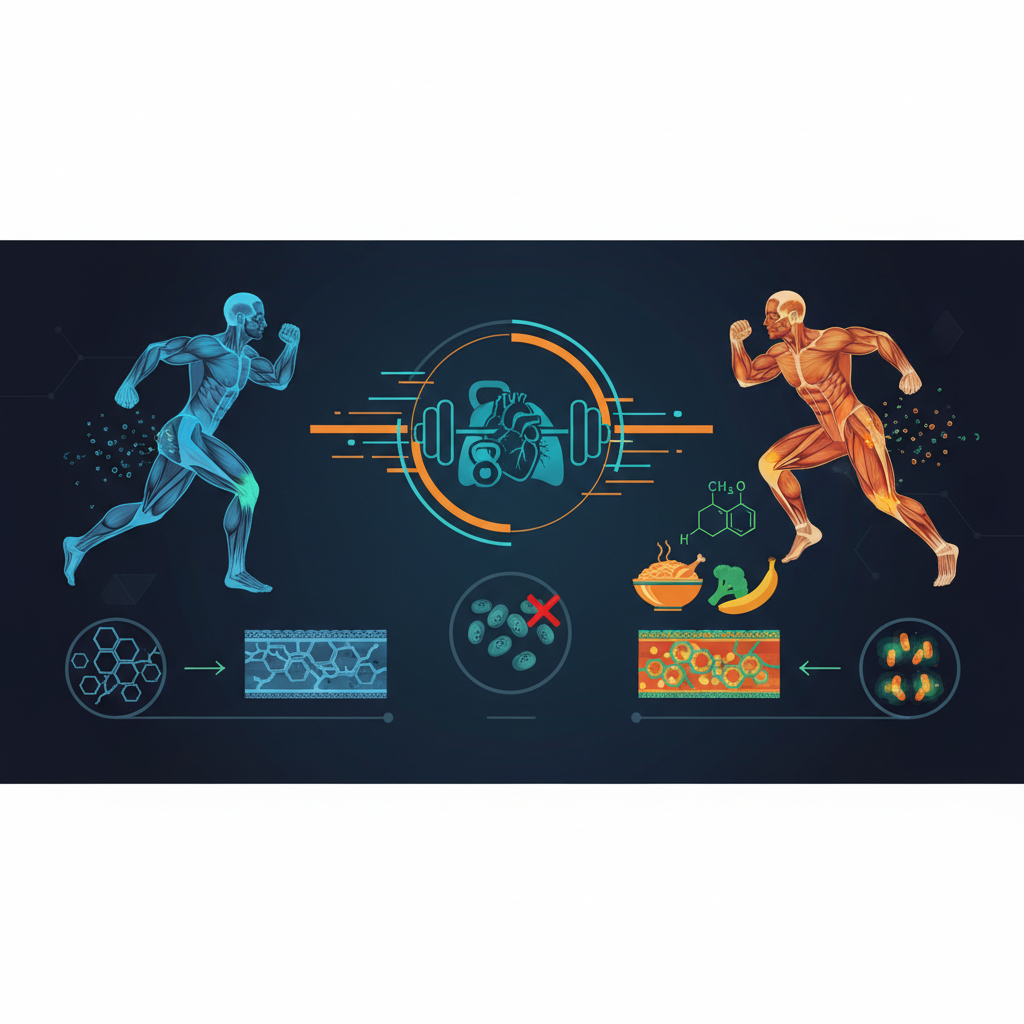
Learn how glycogen depletion and replenishment exercise works to fuel your performance. Optimize your training and recovery with expert strategies from.
Glycogen depletion and replenishment is the process by which muscle and liver glycogen stores are utilized during exercise and subsequently refilled, a critical factor in optimizing athletic performance and recovery. Understanding how to manipulate these energy stores through strategic training and nutrition is key for any individual looking to maximize their workout capacity and results. Quick Answer: Glycogen depletion occurs during prolonged or intense exercise when the body primarily uses stored carbohydrates for energy. Replenishment involves consuming carbohydrates post-exercise to restock these energy reserves, typically within a 24-48 hour window, with the fastest rates occurring in the first few hours. This article will delve into the science behind glycogen utilization, how specific exercise protocols lead to depletion, and the optimal strategies for effective replenishment to enhance future training sessions. Glycogen is the storage form of glucose (carbohydrate) in the body, primarily found in the muscles and liver. Muscle glycogen serves as a readily available, direct energy source for working muscles during physical activity. Liver glycogen, on the other hand, is rele…