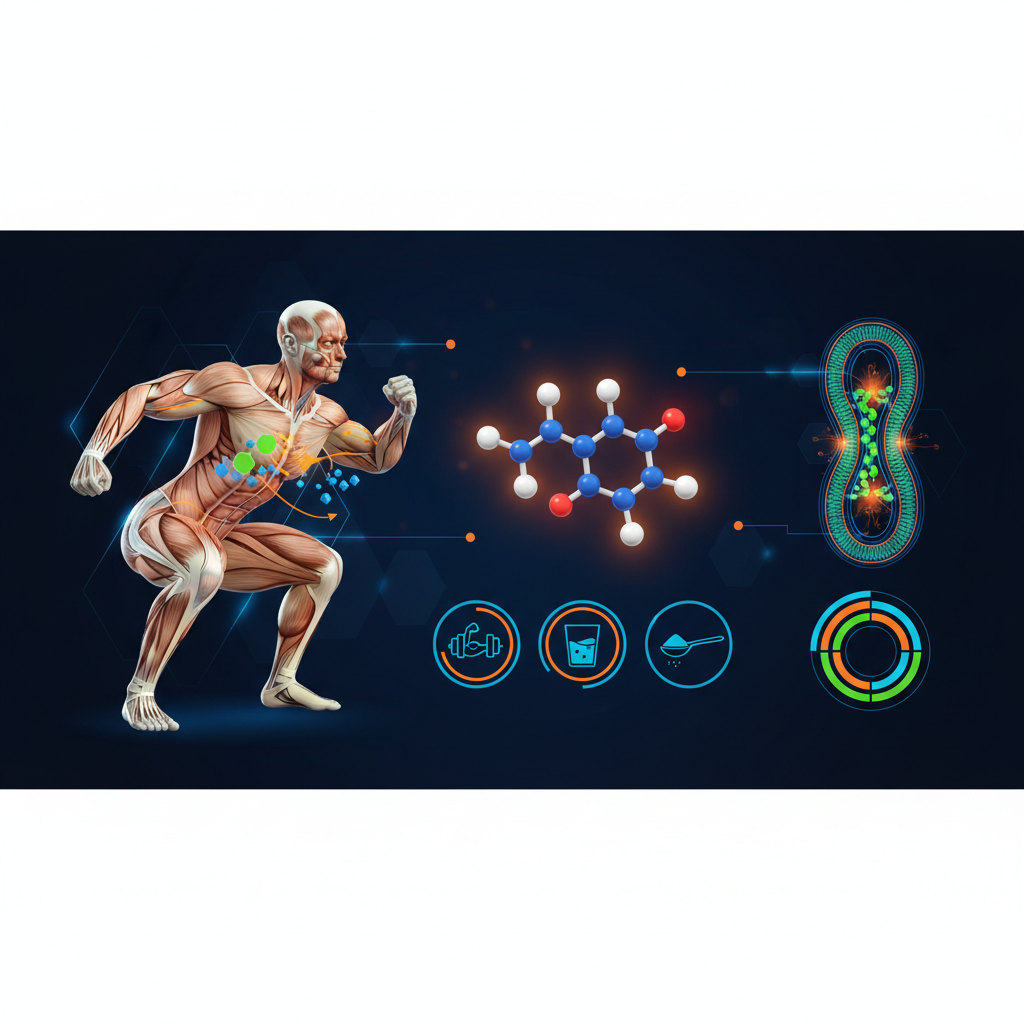
What is Creatine Monohydrate?
Creatine is a naturally occurring compound found in muscle cells that helps your muscles produce energy during heavy lifting or high-intensity exercise. It's synthesized in the liver, kidneys, and pancreas and can also be obtained from dietary sources like red meat and fish. However, to achieve the levels seen in athletic performance studies, supplementation is typically required. Creatine monohydrate is the most studied and cost-effective form of creatine, making it the go-to choice for athletes and fitness enthusiasts.
The Science Behind Creatine’s Effectiveness
Creatine functions primarily by increasing the body's stores of phosphocreatine, a form of stored energy that can rapidly regenerate adenosine triphosphate (ATP), the primary molecule of energy currency in cells. During short bursts of intense activity, such as sprinting or heavy weightlifting, muscles rely heavily on ATP. By increasing phosphocreatine stores, creatine supplementation allows for faster ATP regeneration, leading to:
- Increased Power Output: Research shows creatine supplementation can improve peak power output during repeated sprints or resistance training bouts. (NSCA, 2016)
- Enhanced Strength Gains: Studies indicate that creatine users experience greater increases in muscle strength compared to non-users when combined with resistance training. (ACSM Guidelines, 2020)
- Improved Muscle Growth (Hypertrophy): Creatine may facilitate muscle growth through mechanisms like increased training volume, cell swelling (volumization), and potentially by influencing anabolic signaling pathways.
- Faster Recovery: Some research suggests creatine can aid in recovery between training sessions by reducing muscle damage and inflammation.
- Cognitive Benefits: Emerging research points to potential cognitive benefits, such as improved memory and executive function, particularly in situations of sleep deprivation or stress.
Creatine Monohydrate Dosing Strategies
Optimizing creatine intake hinges on achieving muscle saturation, the point where muscle creatine stores are maximized. Two common dosing strategies exist:
1. The Loading Phase Protocol (Faster Saturation)
This method aims to saturate muscle stores quickly, typically within 5-7 days.
- Loading Dose: Take 20 grams of creatine monohydrate per day, divided into four 5-gram doses, spread throughout the day. (e.g., 9 AM, 1 PM, 5 PM, 9 PM).
- Duration: Continue this for 5-7 days.
- Maintenance Dose: After the loading phase, drop to a daily maintenance dose of 3-5 grams to keep muscle stores saturated.
2. The Maintenance Phase Only Protocol (Slower Saturation)
This is a simpler, more gradual approach that still achieves saturation, usually within 3-4 weeks.
- Daily Dose: Take 3-5 grams of creatine monohydrate every day.
Which is better? Both protocols are effective for long-term muscle saturation. The loading phase provides quicker results, which might be desirable for athletes preparing for a specific event. However, the maintenance-only phase is equally effective over a longer duration and may reduce the likelihood of mild gastrointestinal discomfort some individuals experience during the loading phase.
When and How to Take Creatine
- Timing: While consistency is key, post-workout supplementation may offer a slight advantage due to increased muscle uptake potential, especially when consumed with carbohydrates and protein. However, research indicates that taking creatine at any time of day is effective for saturation as long as it's taken consistently.
- Mixing: Mix creatine powder with water, juice, or your post-workout shake. Ensure it's fully dissolved. Consuming it with carbohydrates can enhance absorption due to insulin response.
- Hydration: It's crucial to maintain adequate hydration when supplementing with creatine. Aim for at least 0.5-1 ounce of water per pound of body weight daily.
Who Should Consider Creatine Supplementation?
Creatine monohydrate is beneficial for a wide range of individuals, including:
- Strength and Power Athletes: Bodybuilders, powerlifters, Olympic lifters, sprinters, and team sport athletes who require explosive power.
- Endurance Athletes: While less pronounced than in power athletes, creatine may aid in recovery and potentially improve performance in repeated high-intensity bursts within endurance events.
- Vegetarians and Vegans: As creatine is primarily found in animal products, these individuals may have lower baseline creatine stores and can benefit significantly from supplementation to reach optimal levels.
- Older Adults: Research suggests creatine can help preserve muscle mass and strength, which is crucial for maintaining functional independence as individuals age.
Safety and Side Effects
Creatine monohydrate is one of the most extensively studied sports supplements, with a robust safety profile.
Get your free Day 1 workout — no card required.
Meet Andy — get your free Day 1 workout- Common Side Effects: Mild gastrointestinal distress (bloating, cramping) can occur, especially during the loading phase or if taken with insufficient water. This is usually mitigated by splitting doses or sticking to the 3-5g daily maintenance dose.
- Weight Gain: Initial weight gain is common, primarily due to increased water content within muscle cells (intracellular hydration), not fat gain. This is a desired effect as it contributes to cell volumization.
- Kidney Health: Numerous studies have shown that creatine supplementation, even at higher doses, does not harm kidney function in healthy individuals. However, individuals with pre-existing kidney conditions should consult their physician before use.
- Dehydration: Creatine draws water into muscle cells. This doesn't cause dehydration but emphasizes the importance of staying well-hydrated.
Frequently Asked Questions (FAQ)
What is the recommended daily dosage of creatine monohydrate?
The standard maintenance dose is 3-5 grams per day. A loading phase of 20 grams per day for 5-7 days can be used for faster saturation, followed by the maintenance dose.
When is the best time to take creatine monohydrate?
Consistency is more important than precise timing. Taking it post-workout with carbohydrates and protein may offer a slight benefit, but any time of day is effective for maintaining saturated muscle stores.
How long does it take for creatine monohydrate to work?
If using a loading phase, you may notice benefits within a week. Without a loading phase, it typically takes 3-4 weeks of consistent daily intake to reach full muscle saturation.
Can creatine monohydrate cause kidney damage?
No, extensive research in healthy individuals has consistently shown creatine supplementation to be safe for kidney function. Individuals with pre-existing kidney disease should consult a healthcare professional.
Do I need to cycle creatine?
No, creatine monohydrate does not require cycling. Continuous daily use of 3-5 grams is recommended to maintain elevated muscle creatine stores.
Is creatine monohydrate better than other forms of creatine?
Creatine monohydrate is the most researched, effective, and cost-efficient form. While other forms exist, none have demonstrated superior efficacy or absorption compared to micronized creatine monohydrate in robust scientific studies.
Modifications, Rehab & Injury Prevention
When incorporating creatine, it's essential to consider foundational training principles and injury prevention strategies. For movements targeting the posterior chain, like the deadlift or Romanian deadlift, proper form is paramount.
- Regressions:
- Kettlebell Swings: Focus on the hip hinge pattern with a lighter load and controlled movement, emphasizing glute activation.
- Glute Bridges: Performed lying on your back, this isolates glute and hamstring engagement without spinal loading, ideal for beginners or those with lower back sensitivity.
- Progression:
- Barbell Deadlifts: For advanced trainees, increasing weight, reps, or incorporating variations like deficit deadlifts or snatch-grip deadlifts can enhance strength and power.
- Pain/Injury Cues: Sharp or nagging lower back pain during hip hinging movements often indicates poor form, particularly a lack of spinal rigidity or an incomplete hinge. Reduce the range of motion, focus on maintaining a neutral spine, and ensure your glutes are the primary drivers of the movement. Consult a physical therapist if pain persists.
- Prehab Drills:
- Clamshells: Lie on your side with knees bent and engage your gluteus medius by lifting the top knee while keeping feet together.
- Bird-Dog: Starting on all fours, extend opposite arm and leg while maintaining a stable core and neutral spine to improve core stability and coordination.
- Band Pull-Aparts: With a resistance band, pull your arms apart while squeezing your shoulder blades together to strengthen the upper back musculature and improve posture.
- When to Consult: Persistent sharp pain, radiating pain into the legs, or pain that significantly limits daily activities warrants consultation with a physical therapist or physician.
Conclusion & Call to Action
Creatine monohydrate stands as a pillar in sports supplementation, backed by decades of research confirming its ability to enhance performance, strength, and recovery. By understanding the science and adhering to recommended dosing strategies, you can effectively leverage this powerful supplement. Remember that creatine is most effective when combined with a consistent, progressive training program and a well-balanced nutrition plan.
Ready to optimize your training with AI-powered insights? Discover personalized workout plans and nutrition guidance tailored to your unique goals. Try FitForge AI free for 7 days!
Written by Coach Voris, NASM-CPT — Certified Personal Trainer and founder of FitForge AI. Coach Voris combines evidence-based training with AI to deliver personalized coaching at scale.
Frequently Asked Questions
What is the most effective way to dose creatine monohydrate?
For rapid saturation, a loading phase of 20g/day (divided into 4x5g doses) for 5-7 days is effective, followed by a maintenance phase of 3-5g daily. Alternatively, a consistent daily dose of 3-5g without a loading phase will achieve similar saturation over a slightly longer period (around 3-4 weeks).
Is creatine monohydrate safe for long-term use?
Yes, extensive research spanning decades consistently demonstrates that creatine monohydrate is safe for long-term use in healthy individuals. Studies have found no adverse effects on kidney function, liver function, or other health markers when consumed within recommended dosages.
When is the best time to take creatine for optimal results?
While the exact timing is less critical than consistent daily intake, consuming creatine around your workout, either pre- or post-exercise, may offer a slight advantage. Post-workout consumption with carbohydrates and protein could enhance uptake due to increased insulin sensitivity.
What are the primary benefits of supplementing with creatine monohydrate?
Creatine monohydrate primarily enhances athletic performance by increasing the availability of ATP (energy) during high-intensity activities. This leads to improved strength, power output, muscle endurance, and can contribute to greater lean muscle mass gains over time.
Get your free Day 1 workout — no card required.
Meet Andy — get your free Day 1 workout