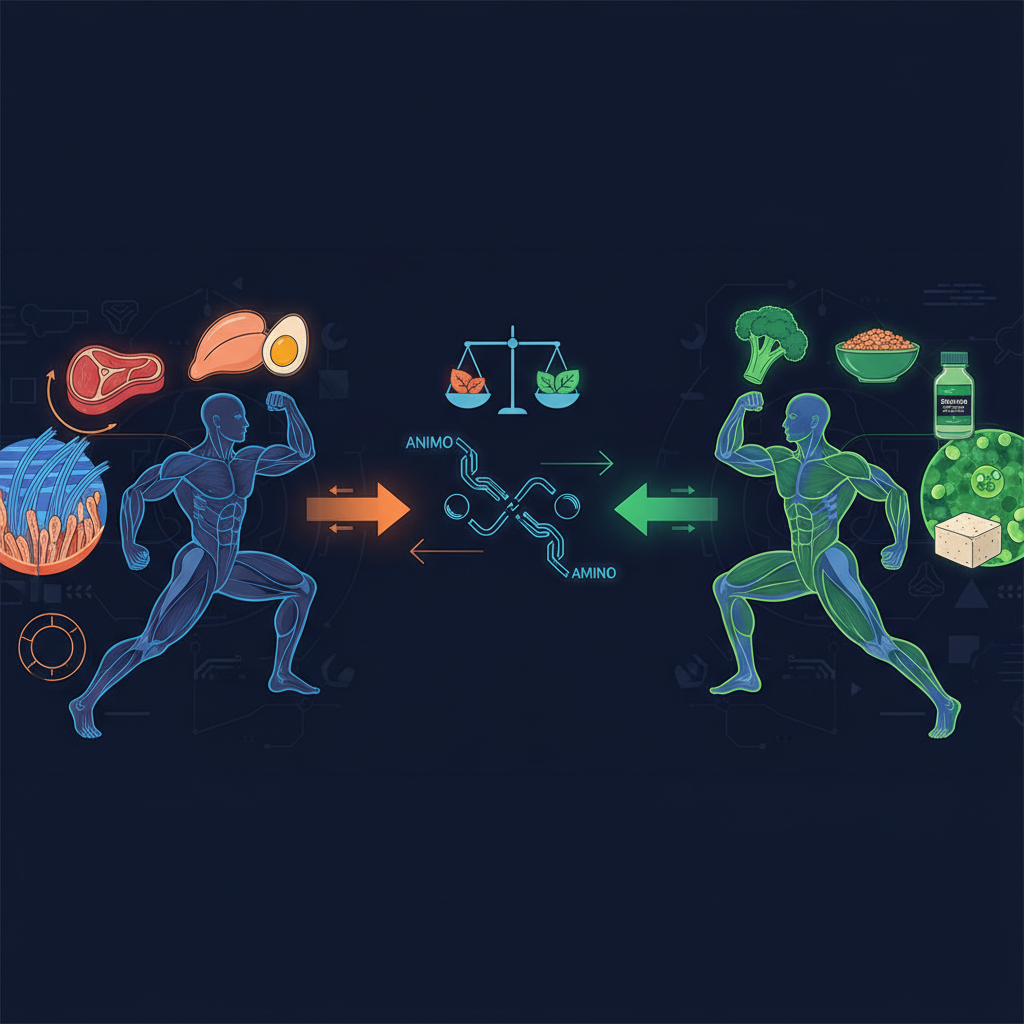
The Role of Protein: Why It Matters
Before comparing sources, a brief recap of why protein is non-negotiable:
Protein is an essential macronutrient, meaning your body can't produce it on its own and requires it from your diet. It's the building block for:
- Muscle Tissue: Crucial for repair and growth, especially after intense training like the Super Slow or Occam Protocol style workouts FitForge AI advocates.
- Enzymes & Hormones: Regulate nearly all bodily processes.
- Immune Function: Antibodies are proteins, protecting you from illness.
- Satiety: Protein helps you feel fuller for longer, which is a major advantage for fat loss and managing glucose levels when combined with insights from your CGM.
- Bone Health: Supports bone structure and density.
The general recommendation for active individuals aiming for muscle gain or fat loss typically ranges from 1.6 to 2.2 grams of protein per kilogram of body weight per day (Jäger et al., 2017). For those following more intense, infrequent protocols like Super Slow, ensuring adequate protein intake after each session is paramount for maximizing recovery and hypertrophy.
Animal Protein: The Gold Standard?
Animal proteins come from meat, poultry, fish, eggs, and dairy. They've long been considered the "gold standard" for a few key reasons:
Complete Amino Acid Profile
Animal proteins are "complete proteins," meaning they contain all nine essential amino acids (EAAs) in sufficient quantities. These are amino acids your body cannot synthesize and must obtain from food. This makes them highly effective for muscle protein synthesis (MPS), which is the process of building and repairing muscle.
High Biological Value
The biological value (BV) of a protein source indicates how efficiently the body can absorb and utilize it. Animal proteins generally have a very high BV. For example, whey protein (from dairy) has one of the highest BVs, making it an excellent post-workout option.
Rich in Micronutrients
Beyond protein, animal sources often provide crucial micronutrients that can be harder to obtain from a purely plant-based diet:
- Heme Iron: More bioavailable than non-heme iron found in plants.
- Vitamin B12: Found almost exclusively in animal products.
- Creatine: Naturally occurring in red meat, beneficial for strength and power.
- Vitamin D: Especially in fatty fish.
- Omega-3 Fatty Acids: Particularly EPA and DHA, found in fatty fish, important for inflammation and brain health.
Potential Downsides
While nutrient-dense, some animal products, especially processed meats or those high in saturated fat, can contribute to health concerns when consumed in excess. Sustainability and ethical considerations are also common concerns for many individuals.
Plant Protein: A Powerful Alternative
Plant proteins come from legumes, grains, nuts, seeds, and vegetables. The landscape of plant-based nutrition has exploded, offering more diverse and effective options than ever before.
Incomplete Proteins & Complementary Pairing
Many individual plant proteins are "incomplete," meaning they lack one or more of the essential amino acids. However, this is largely a non-issue if you consume a variety of plant proteins throughout the day. For example, beans are low in methionine but rich in lysine, while rice is the opposite. Consuming them together (like rice and beans) creates a complete protein profile. This "complementary pairing" concept, while true, isn't something you need to meticulously track at every meal—just ensure variety in your diet.
Fiber Powerhouse
One of the biggest advantages of plant proteins is their fiber content. Fiber is crucial for:
- Digestive Health: Promotes regularity and feeds beneficial gut bacteria.
- Satiety: Helps you feel full, aiding in weight management and calorie control.
- Blood Sugar Regulation: Slows glucose absorption, which is particularly beneficial for those monitoring their blood sugar with a CGM.
Abundant in Phytonutrients & Antioxidants
Plant-based foods are packed with phytonutrients and antioxidants, compounds linked to reduced risk of chronic diseases and overall health longevity. These are largely absent in animal products.
Environmentally Friendly & Often Lower in Saturated Fat
Generally, plant-based protein production has a smaller environmental footprint than animal agriculture. Many plant sources are also naturally lower in saturated fat and cholesterol.
Potential Downsides
The bioavailability of certain nutrients (like non-heme iron and zinc) can be lower in plant foods due to compounds like phytates. Strict vegans need to be mindful of Vitamin B12 intake and potentially rely on fortified foods or supplements. Certain plant proteins can also be harder to digest for some individuals due to their fiber content.
Making the Best Choice for Your Goals
Here's how to navigate the animal vs. plant protein debate for specific fitness objectives:
Muscle Gain (Hypertrophy)
For muscle gain, the crucial factors are total protein intake, sufficient EAAs (especially leucine), and proper timing around your workouts.
Get your free Day 1 workout — no card required.
Meet Andy — get your free Day 1 workout- Animal Protein Advantage: Their complete amino acid profile and high leucine content make animal sources highly effective for stimulating MPS. Whey protein, eggs, chicken, and beef are excellent choices.
- Plant Protein Strategy: Achieving optimal muscle gain with plants requires careful planning. Combining various plant proteins throughout the day (e.g., lentils and quinoa, tempeh, peas, brown rice protein) ensures a complete amino acid intake. Pea protein and soy protein are considered complete and have good leucine content.
- FitForge AI Take: Regardless of source, aim for 0.8-1 gram of protein per pound of body weight (1.8-2.2 g/kg). Focus on even distribution throughout the day (e.g., 20-40g per meal) and prioritize a protein source after your intense Super Slow training sessions. Your Garmin/Apple Health data, when fed into FitForge AI, can help track your recovery and ensure you're fueling appropriately.
Fat Loss
Protein is your ally in fat loss due to its high thermic effect of food (TEF) and its ability to promote satiety.
- Animal Protein Advantage: Lean animal proteins (chicken breast, fish, egg whites) are incredibly effective for fat loss. They're high in protein, low in calories, and very satiating.
- Plant Protein Strategy: Legumes, tofu, lentils, and high-protein grains contribute significant fiber, which enhances satiety and can help with glucose regulation – key for managing hunger and energy levels.
- FitForge AI Take: High protein intake (often on the higher end of the 1.6-2.2g/kg scale) is paramount for preserving lean muscle mass during a calorie deficit. Protein shakes (animal or plant-based) can be convenient ways to hit your targets without adding excessive calories. Your CGM data, when integrated with FitForge AI, can provide invaluable insights into how different protein sources impact your blood sugar, helping you make optimal choices for sustained energy and fat burning.
Overall Health & Wellness
For general health, a balanced approach often yields the best results.
- Animal Protein Advantage: Provides essential micronutrients (B12, heme iron, omega-3s) hard to get elsewhere.
- Plant Protein Advantage: Rich in fiber, phytonutrients, and antioxidants, contributing to gut health, reduced inflammation, and disease prevention.
- FitForge AI Take: Don't limit yourself. A "flexitarian" approach, incorporating a variety of lean animal proteins and diverse plant proteins, often provides the broadest spectrum of nutrients and health benefits. Focus on whole, unprocessed foods whether they come from an animal or a plant. This also aligns with principles that impact glucose metabolism, as indicated by CGM data.
Practical Application: Coach Voris's Direct Approach
Here's Coach Voris's no-nonsense advice for integrating protein into your diet:
- Prioritize Protein First: At every main meal, ask yourself: "Where's my protein?" Aim for a palm-sized portion (for women) or two palm-sized portions (for men) at each meal.
- Aim for 30g+ per Meal: Research from the ACSM and NSCA suggests that distributing protein intake throughout the day, aiming for around 20-40 grams per meal, is superior for MPS than consuming it all at once.
- Vary Your Sources: Don't stick to just chicken and broccoli. Explore different cuts of meat, types of fish, eggs, and a wide array of plant proteins like lentils, chickpeas, tempeh, quinoa, and various nuts and seeds.
- Consider Supplementation (When Necessary): If you struggle to hit your protein targets through whole foods, a high-quality protein powder (whey, casein, pea, or brown rice protein) can be a convenient and effective tool.
- Listen to Your Body: Pay attention to how different protein sources make you feel, especially regarding digestion and energy levels. This personalized feedback, combined with glucose data from your CGM, can fine-tune your nutrition plan. FitForge AI helps you analyze this data.
FAQ: Your Protein Questions Answered
Q1: Do I need to be a vegan to experience the benefits of plant protein?
A: Absolutely not. You can incorporate plant-based proteins into an omnivorous diet and still reap the benefits of fiber, phytonutrients, and a diverse amino acid profile. A "flexitarian" approach is often recommended for maximum health benefits.
Q2: What's the best protein source immediately after a workout?
A: For rapid muscle recovery after an intense session, especially like the Super Slow training FitForge AI advocates, easily digestible and fast-absorbing proteins are ideal. Whey protein (animal-based) is a top choice due to its high leucine content and quick absorption. For plant-based alternatives, consider pea protein or a blend of rice and pea protein. The key is to consume it within a few hours of your workout.
Q3: Can plant proteins fully support muscle growth for serious athletes?
A: Yes, definitively. With careful planning to ensure adequate total protein intake, complete amino acid profiles (through diverse plant protein consumption), and sufficient calories, plant-based diets can absolutely support elite-level athletic performance and muscle growth. Many successful plant-based bodybuilders and athletes are testament to this.
Q4: How do I know if I'm getting enough protein?
A: The best way is to track your intake for a few days using a food logging app (or FitForge AI's tracking features). Calculate your target based on your body weight (1.6-2.2g/kg) and see how your average intake compares. If you're consistently falling short, strategically add protein sources to your meals and snacks.
The Verdict: Don't Get Bogged Down by Dogma
There's no single "best" protein source for everyone. Both animal and plant proteins offer unique advantages and can effectively support your fitness goals.
- If your priority is maximal muscle protein synthesis and micronutrient density, lean animal proteins are incredibly effective.
- If your priority is fiber intake, phytonutrients, gut health, and environmental impact, plant proteins are a clear winner.
The FitForge AI philosophy champions an individualized approach. FitForge AI empowers you with the data and coaching to understand what works best for your body, your goals, and your lifestyle. Whether you prefer a predominantly animal-based diet, a plant-based approach, or a blend of both, success hinges on:
- Adequate total daily protein intake.
- A variety of protein sources to ensure a complete amino acid profile.
- Consistent application of these principles over time.
Stop guessing and start optimizing.
Ready to sculpt your physique, master your nutrition, and leverage cutting-edge AI for superior results? Download the FitForge AI app today. It's 100% free – no trials, no paywalls, just results.
Get your free Day 1 workout — no card required.
Meet Andy — get your free Day 1 workout